
The flicker of lights, followed by sudden darkness, is a familiar experience for many homeowners. Our first thoughts often turn to the immediate inconveniences; the Wi-Fi is down, the television is silent, and the rooms are dark. This, however, is merely the surface level of the problem. The real cost of a power outage is not measured in the hours of lost entertainment or the scramble for flashlights. The true cost is hidden, developing silently in the background, and it threatens the most critical and expensive systems in your home.
In Southwest Virginia, we are subject to severe weather in all seasons, from freezing winters to hot, humid summers. Our homes are our shelter, and our heating and cooling systems are the primary line of defense. When the grid fails, your furnace, heat pump, or air conditioner stops dead. This is where the real financial risk begins. The cost of a power outage is not the darkness; it is the cascading failure of your home’s core protections. It is the cost of extreme cold, unbearable heat, and the potential for catastrophic damage to your property and the very equipment designed to protect it.
The Immediate Loss of Comfort and Safety
Our reliance on our HVAC systems is total. We set the thermostat and expect a response. When a power outage occurs in the winter, that response is silence. A modern furnace, even one that burns gas or oil, is completely reliant on electricity to function. The thermostat that controls it is electric. The blower motor that circulates the warm air is electric. The safety controls and ignition system are electric. Without power, your furnace is just a metal box.
As the hours pass, the temperature inside your home begins to drop. At first, this is a simple discomfort. You and your family put on extra layers of clothing and gather blankets. But as the outage stretches on, the situation becomes more serious. The house rapidly loses heat through windows, doors, and the ceiling. The indoor temperature continues to fall, eventually matching the frigid air outside. This is no longer a matter of comfort; it is a direct threat to the health and safety of your family, especially for elderly residents or young children who are more vulnerable to the cold.
This same vulnerability exists in the summer. The humidity and heat in Lebanon and the surrounding region can be oppressive. Your air conditioner is your home’s primary tool for managing both temperature and moisture. When the power cuts out, the compressor stops, and the fans cease to spin. The house quickly becomes sticky, stuffy, and dangerously hot. This creates an environment where heat exhaustion and other heat related illnesses can develop. The home, which should be a safe refuge, becomes an unhealthy and uncomfortable trap.
The Catastrophic Risk of Frozen Pipes
The single most devastating financial cost of a winter power outage is almost always related to water. Your furnace does more than just keep your family warm; it keeps your home’s plumbing safe. It prevents the water sitting in your pipes from freezing. When your heating system is offline for an extended period, the internal temperature of your home will eventually drop below 32 degrees Fahrenheit.
This is the critical danger point. Water in your plumbing, particularly in pipes located in uninsulated areas like crawl spaces, basements, and exterior walls, will begin to freeze. The physics of this process are destructive. As water turns to ice, it expands in volume by about nine percent. This expansion exerts thousands of pounds of pressure per square inch. This force is easily enough to split a copper pipe, tear open a PVC joint, or crack a supply line. While the water is frozen, you will likely be unaware of the damage.
Want to avoid the headaches of losing power? Check out our generator installation service here.
The true disaster occurs when the power is restored. Your furnace kicks back on, the house slowly warms up, and the ice plugs in your ruptured pipes begin to melt. This is the moment a small problem becomes a catastrophe. Water, often under full pressure, begins to spray uncontrollably inside your walls, through your ceilings, or under your floors. You may not discover the leak for hours or even days, allowing catastrophic water damage to occur.
The financial aftermath is staggering. You are suddenly faced with a multipronged crisis. You need a plumber to find and repair the broken pipes. You need a water mitigation team to dry out the structure. You will likely need drywall contractors, flooring specialists, and painters to repair the extensive damage. The cost can easily run into tens of thousands of dollars, far exceeding the price of any single appliance. This is the real, hidden cost of losing your heat.
Damage to Your HVAC System Itself
Your home’s mechanical systems are vulnerable not just to the loss of power, but also to its return. When the utility company restores power to your neighborhood, it is often not a clean, smooth event. The grid can come back online with a sudden jolt of electricity. This is known as a power surge, and it is a deadly threat to any sophisticated electronics.
Modern furnaces, air conditioners, and heat pumps are not simple machines. They are filled with sensitive electronic components. The main circuit board in your furnace is essentially its brain, controlling all operations. Your outdoor condenser unit has capacitors and contactors that manage the flow of high voltage. Your smart thermostat is a miniature computer. All of these components are highly susceptible to damage from a power surge. The jolt can instantly fry a circuit board or melt a capacitor, leaving your system dead in the water.
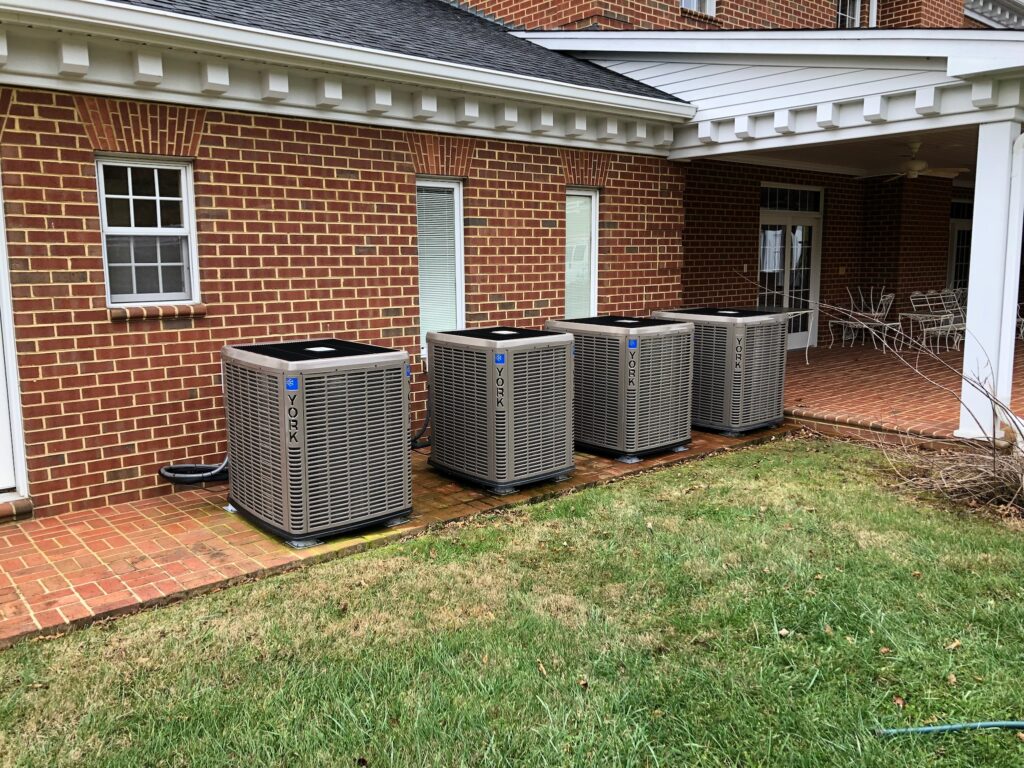
In other cases, the power may not return fully. It can “sputter” back to life, causing a brownout. This is a period of sustained low voltage. Low voltage can be even more destructive than a surge. It starves motors, like your furnace’s blower motor or your heat pump’s compressor, of the electricity they need to operate. This causes them to labor, overheat, and burn themselves out. The motors may try to start, fail, and try again, leading to permanent damage.
The result is a cruel irony. You endure the cold, your pipes survive, and just when you think the ordeal is over, your heat or air conditioning will not turn on. The system was critically wounded by the return of power. The cost of replacing a main control board or a compressor is significant, an unexpected and expensive bill caused directly by the power outage.
Secondary Costs: Humidity, Air Quality, and Spoilage
Your HVAC system performs many jobs beyond just heating and cooling. It is also your home’s primary tool for air management. During a humid Virginia summer, your air conditioner is a powerful dehumidifier. It pulls pounds of moisture from your indoor air every day. When that system is offline, the indoor humidity level can climb rapidly.
This high moisture environment is not just uncomfortable; it is destructive. It creates the perfect breeding ground for mold and mildew. Mold can begin to grow on drywall, in carpeting, and on wood surfaces in as little as 24 to 48 hours. Once established, mold is difficult and expensive to remediate. It can cause long term damage to your home’s structure and create serious indoor air quality problems that affect your family’s respiratory health.
Your system is also responsible for air filtration. As the blower motor runs, it pulls your home’s air through a filter, capturing dust, pollen, pet dander, and other airborne contaminants. When the system is off, the air becomes completely stagnant. Allergens and dust settle on surfaces, and the air quality can quickly degrade. This can be a serious problem for anyone in the home with allergies or asthma.
For businesses, the cost is even more direct. SWVA Mechanical services refrigeration systems. A power outage is a financial disaster for any business that relies on walk in coolers or freezers. Thousands of dollars in food inventory or medical supplies can be lost in a matterof hours. For homeowners, this translates to hundreds of dollars of spoiled groceries in a refrigerator and freezer that are no longer running.
What to Do When the Power Goes Out
You are not powerless during an outage. Taking proactive steps can mean the difference between a minor inconvenience and a major financial disaster. As soon as the power cuts off, your first thought should be to protect your home’s most expensive equipment.
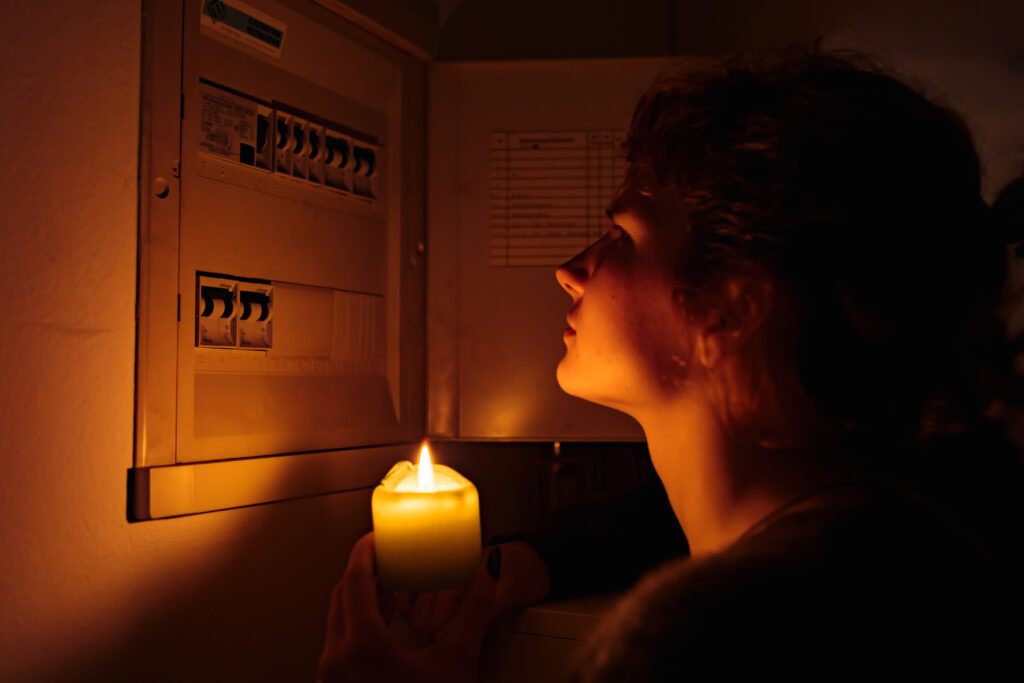
Go to your main electrical panel. Find the breakers that control your HVAC system. There will typically be one for the indoor furnace or air handler and a separate one for the outdoor air conditioner or heat pump. Flip both of these breakers to the “off” position. This physically disconnects your valuable system from the grid.
Need to know more about financing a generator? Click here for more information.
This simple action is your best defense. When the power is finally restored, your system will be safe from the initial surge. You can allow the power to stabilize for ten or fifteen minutes, then go back to the panel and confidently turn the breakers on. This step alone can save you from a multi thousand dollar repair bill.
If it is a winter outage, you must also protect your pipes. Open your faucets to a slow, steady drip. Moving water is much harder to freeze than stagnant water. Go to all the sinks in your home, especially those on exterior walls, and open the cabinet doors below them. This allows the warmer air in your living space to circulate around the plumbing, offering a small but critical amount of protection. Finally, conserve the heat you have. Close the doors to unused rooms. Roll up towels and place them at the bottom of exterior doors to stop drafts.
After the Storm: Inspection and Preparation
The power has returned, you have switched your breakers back on, and your system has started up. You may feel a sense of relief, but it is important to pay close attention. The stress of the outage and the subsequent power surge can cause latent damage that may not be immediately obvious.
Listen to your system. Do you hear any new sounds? A rattling or grinding from the furnace, or a new, loud buzz from the outdoor unit? These are warning signs that a component was damaged and is now operating under stress. The system may be working, but it could be on the verge of a full breakdown.
After any significant outage, it is a wise investment to have your system professionally inspected. A qualified HVAC technician can perform a full diagnostic. They can test the capacitors, inspect the electrical connections, and verify the integrity of the main circuit board. This small service cost provides invaluable peace of mind and can catch a failing part before it causes a more expensive, cascading failure.
The best preparation, however, is routine maintenance. A heating and cooling system that is professionally maintained is simply more resilient. It has clean components, tight electrical connections, and parts that are operating within specification. This healthy system is far better equipped to handle the stress of a sudden shutdown and restart. Regular maintenance is not just about efficiency; it is about reliability when you need it most.
The real cost of a power outage is not found in a box of melted candles or a missed television show. The true price is measured in the chaos that follows. It is the thousands of dollars to repair drywall and flooring after a frozen pipe bursts. It is the cost of a new compressor or a fried furnace circuit board, destroyed by a power surge. It is the loss of your home as a safe, comfortable shelter from the extreme weather of Southwest Virginia.
Our heating, cooling, and refrigeration systems are central to our modern lives, and protecting them is a critical part of protecting your home and family. Being prepared, knowing what to do during an outage, and ensuring your system is healthy before the storm is the only way to mitigate these serious risks.
If you have recently experienced a power outage and your HVAC system is making strange noises or is not performing as it should, do not wait for a complete failure. Contact SWVA Mechanical. Our expert technicians can diagnose any damage, restore your system’s operation, and ensure your home is ready for whatever the next season brings.