
In every home, the thermostat acts as the central brain of the heating and cooling system. It is the primary point of contact you have with your furnace, heat pump, or air conditioner. Despite its critical role, it is one of the most frequently overlooked components of a home’s comfort system. Many homeowners in Lebanon and Southwest Virginia are still using outdated, inefficient thermostats. These may be old manual dial-style units or first generation digital models that lack any programming features. While this small box on the wall may seem insignificant, an obsolete thermostat can have a massive impact on your home, leading to higher energy bills, uneven comfort, and unnecessary strain on your valuable HVAC equipment.
Upgrading your thermostat is one of the fastest and most cost effective ways to improve your home’s energy efficiency and comfort. Modern thermostat technology has advanced far beyond a simple on-off switch. Today’s devices are sophisticated tools designed to save you money and give you unprecedented control over your home’s climate. Knowing when to replace your old model is key to unlocking these benefits. An upgrade is not just a luxury; it is a smart investment that can pay for itself in a surprisingly short amount of time.
The Hidden Costs of an Outdated Thermostat
That old, beige box on your wall might be costing you more than you think. The most significant cost is energy waste. A manual thermostat is entirely reactive. It only functions when you physically adjust it. If you leave for work and forget to turn the heat down, your system will run all day, heating an empty house. This is a direct financial drain. Similarly, if you turn the heat down at night, you must remember to turn it back up in the morning and wait for the house to get comfortable. This reliance on human memory is inherently inefficient.
Is your thermostat not up to date? Click here to see if your thermostat is causing HVAC problems.
Beyond energy waste, old thermostats are often inaccurate. Models that use mercury vials or bimetallic strips are mechanical devices that degrade over time. Their calibration can “drift,” meaning the temperature displayed on the thermostat no longer matches the actual temperature in the room. If your thermostat is off by just two or three degrees, it can cause major problems. It may think the room is 70 degrees when it is only 67, forcing your furnace to run much longer than necessary to meet a setpoint it can never accurately read.
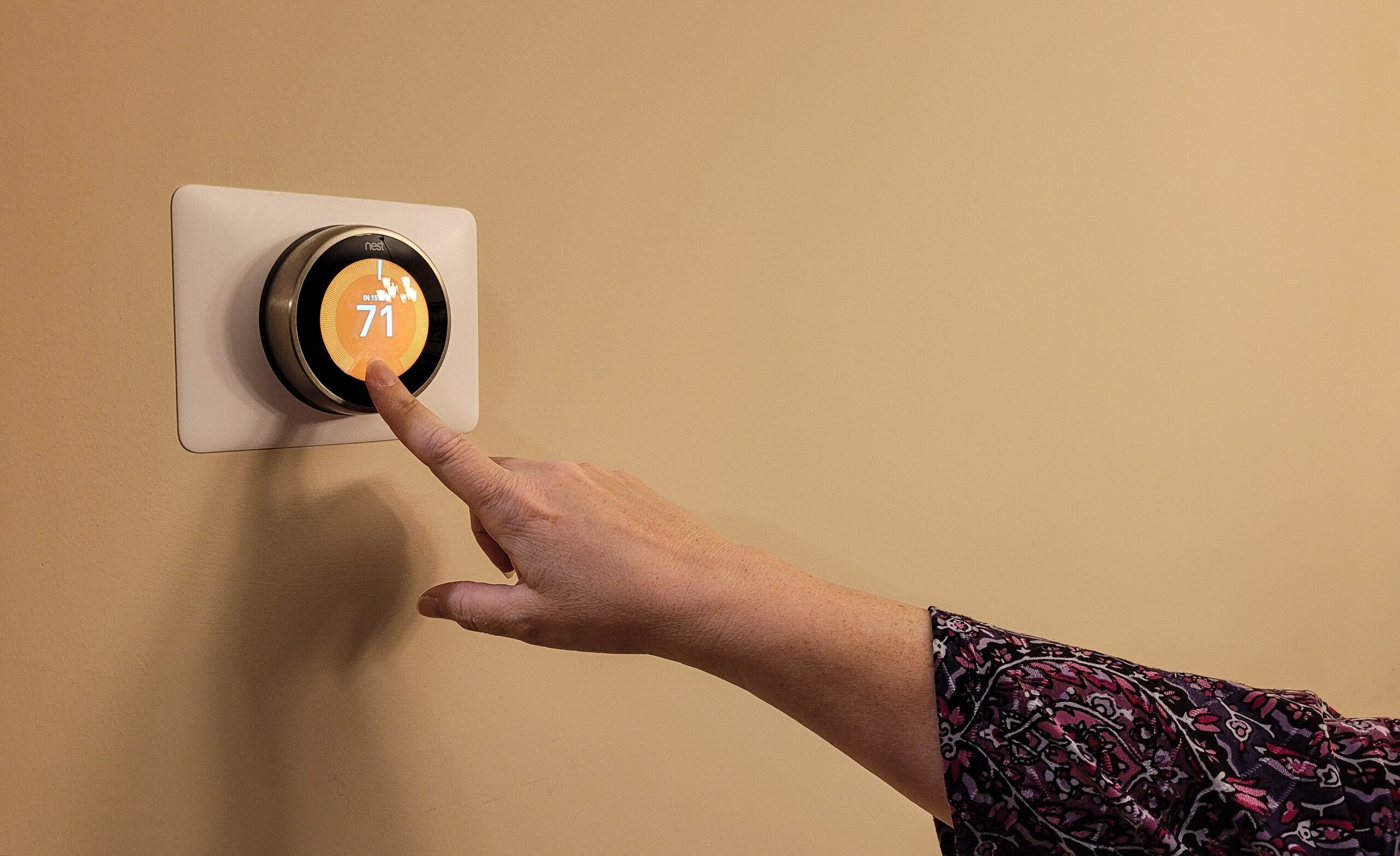
This inaccuracy leads directly to inconsistent comfort. You may find yourself in a constant battle with the thermostat, nudging it up a few degrees because you feel cold, only to find the room is stuffy and overheated an hour later. These wide temperature swings are a hallmark of an aging thermostat that cannot properly sense the room’s environment. This often results in hot and cold spots throughout the house, as the system either runs too long or not long enough to distribute air evenly.
Perhaps the most serious hidden cost is the strain placed on your HVAC system. The same calibration lag that causes comfort issues can also lead to “short cycling.” This is when the heating system turns on, runs for only a few minutes, shuts off, and then quickly turns back on again. This start-stop-start pattern is incredibly stressful for the components of your furnace or heat pump. The blower motor, fans, and especially the compressor on a heat pump are all put under immense wear and tear. This short cycling drastically reduces the equipment’s efficiency, drives up energy use, and can lead to premature breakdowns and a shorter overall lifespan for your entire system.
Signs Your Thermostat Is Failing or Obsolete
Some signs of a failing thermostat are obvious. If the display is blank, the buttons are unresponsive, or the system will not turn on or off at all, you clearly have a problem. These are acute failures that require immediate attention. In these cases, the thermostat has lost power or its internal components have failed, cutting off communication with the HVAC unit.
Other signs are more subtle but just as problematic. Look at the thermostat itself. Is it a round, dial-style model? Does it have a manual lever to switch between heat and cool? Does it contain a small glass vial filled with mercury? These are all signs of obsolete technology. While these units may have been reliable in their day, they lack the precision and features of any modern device. Their mechanical parts are prone to wear, dust buildup, and calibration drift, making them inherently inefficient.
Performance issues are the most common symptom. You may notice that your heating system runs constantly, never seeming to shut off. This could mean the thermostat is failing to register that the set temperature has been reached. The opposite problem is short cycling, where the system kicks on and off every few minutes. This often points to a faulty sensor or improper placement, causing the thermostat to get a false reading.
Another clear sign is a mismatch between the thermostat’s setting and your actual comfort. You may have the thermostat set to 70 degrees, but you feel cold and an independent thermometer shows the room is only 66. This is a classic symptom of calibration drift. The thermostat is “lying” to the HVAC system. You are forced to compensate by setting the temperature even higher, which wastes energy and money. If you find yourself constantly adjusting the thermostat just to feel comfortable, the thermostat itself is likely the problem.
The simplest sign of an obsolete thermostat is a lack of features. If your thermostat is a digital model but does not allow you to set a schedule, it is costing you money. The ability to program temperature changes for when you are away or asleep is the baseline for modern energy efficiency. If your thermostat cannot do this, it is time for an upgrade.
The First Step Up: The Programmable Thermostat
For decades, the programmable thermostat has been the standard for energy savings. This device is a significant upgrade from a manual model because it allows you to create a schedule for your heating system. You can set it to automatically lower the temperature when you leave for work and begin warming the house up 30 minutes before you return. You can also program a setback period for nighttime, allowing the temperature to drop while you are asleep.
The value of this automation cannot be overstated. According to the U.S. Department of Energy, you can save as much as 10 percent a year on heating and cooling costs by simply turning your thermostat back 7 to 10 degrees for eight hours a day. A programmable thermostat does this for you, removing human error. You no longer have to remember to adjust the thermostat every time you leave or go to bed. The savings are built directly into your schedule.
These thermostats come in several models, such as 7 day, 5+2 day, or 5-1-1 day. A 7 day model offers the most flexibility, allowing you to set a unique schedule for every day of the week. A 5+2 day model uses one schedule for the weekdays and a separate schedule for the weekend. This is a popular option that matches many traditional work schedules.
Beyond savings, the comfort benefits are significant. There is no longer a need to wake up in a frigid house and wait for the furnace to catch up. You can program the thermostat to start heating the house 30 minutes before your alarm goes off, so you wake up to a warm, comfortable environment. This simple feature improves your quality of life while simultaneously saving energy during the night.
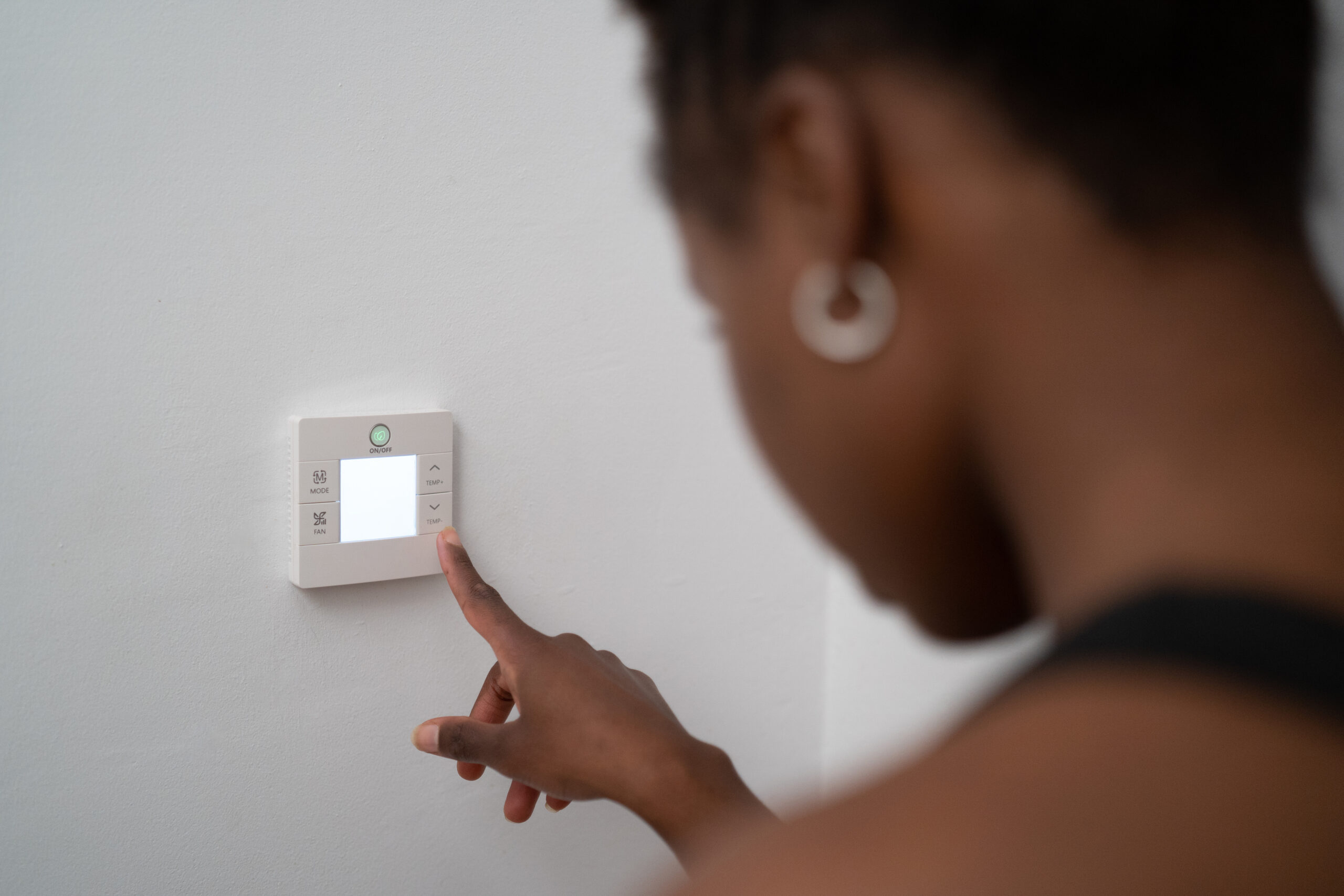
Programmable thermostats are a reliable and cost effective choice. Their only limitation is that they are only as smart as their programming. If your schedule changes unexpectedly, the thermostat will not know. If you get home from work early, the house will be cold. If you go on vacation, you must remember to put the thermostat on a “vacation hold” to prevent it from running your normal schedule. They require manual reprogramming for any deviation from the routine.
The Modern Standard: The Smart Thermostat
Smart thermostats are the most significant advancement in home climate control. These devices connect to your home’s Wi Fi, which opens up a world of advanced features that go far beyond simple scheduling. A smart thermostat learns your family’s habits, allows you to control it from anywhere, and provides data to help you save even more.
The most popular feature is remote control via a smartphone app. A smart thermostat allows you to monitor and adjust your home’s temperature from anywhere in the world. If you are on your way home from a trip, you can turn the heat on from the car. If you are lying in bed and feel a chill, you can adjust the temperature without getting up. This level of convenience gives you total control over your comfort.
Many smart thermostats use advanced learning algorithms. They track your manual adjustments and, after a week or two, automatically build a schedule that matches your preferences. They learn when you wake up, when you leave, and when you go to bed. This eliminates the often confusing programming process required by older models.
Geofencing is another powerful feature. The thermostat links to your family’s smartphones. When it detects that the last person has left a certain radius around the house, it automatically enters an energy saving “away” mode. When it detects someone is on their way home, it automatically resumes the “home” comfort settings. You no longer have to program anything; the thermostat simply adapts to your real time location.
Smart thermostats also act as energy dashboards. They provide detailed reports showing exactly how many hours your system ran each day. They track your energy use over time and compare your efficiency to other users. This data empowers you to see exactly where your energy dollars are going and helps you find new opportunities to save. Some models even integrate with voice assistants, allowing you to control the heat with a simple voice command.
How a New Thermostat Improves HVAC System Health
A thermostat upgrade is not just about your comfort or your utility bills; it is also about protecting your HVAC equipment. An accurate, modern thermostat helps your furnace or heat pump run more efficiently, which reduces wear and tear and can extend its lifespan.
The most significant benefit is the reduction of short cycling. Because new thermostats use precise digital sensors, they get a much more accurate reading of the room’s temperature. This allows them to run the heating system in longer, steadier, and more efficient cycles. This is the way your equipment was designed to operate. By eliminating the jarring start-stop-start pattern of short cycling, a new thermostat reduces stress on the blower motor, ignition system, and compressor.
Some smart thermostats offer advanced features that actively monitor your system’s health. They can track how long it takes for your home to heat up on a cold day. If the system suddenly starts running much longer than usual to reach the same temperature, the thermostat can recognize this as a sign of trouble. It might indicate a severely clogged filter, a ductwork leak, or a mechanical problem with the furnace.
This diagnostic capability is a massive benefit. The thermostat can send an alert directly to your phone, warning you of a potential issue before it becomes a catastrophic failure. Instead of coming home to a freezing house and a broken furnace, you get a proactive notification that it is time to call for service. This early warning system can save you from an emergency breakdown and prevent a minor issue from turning into an expensive, large scale repair.
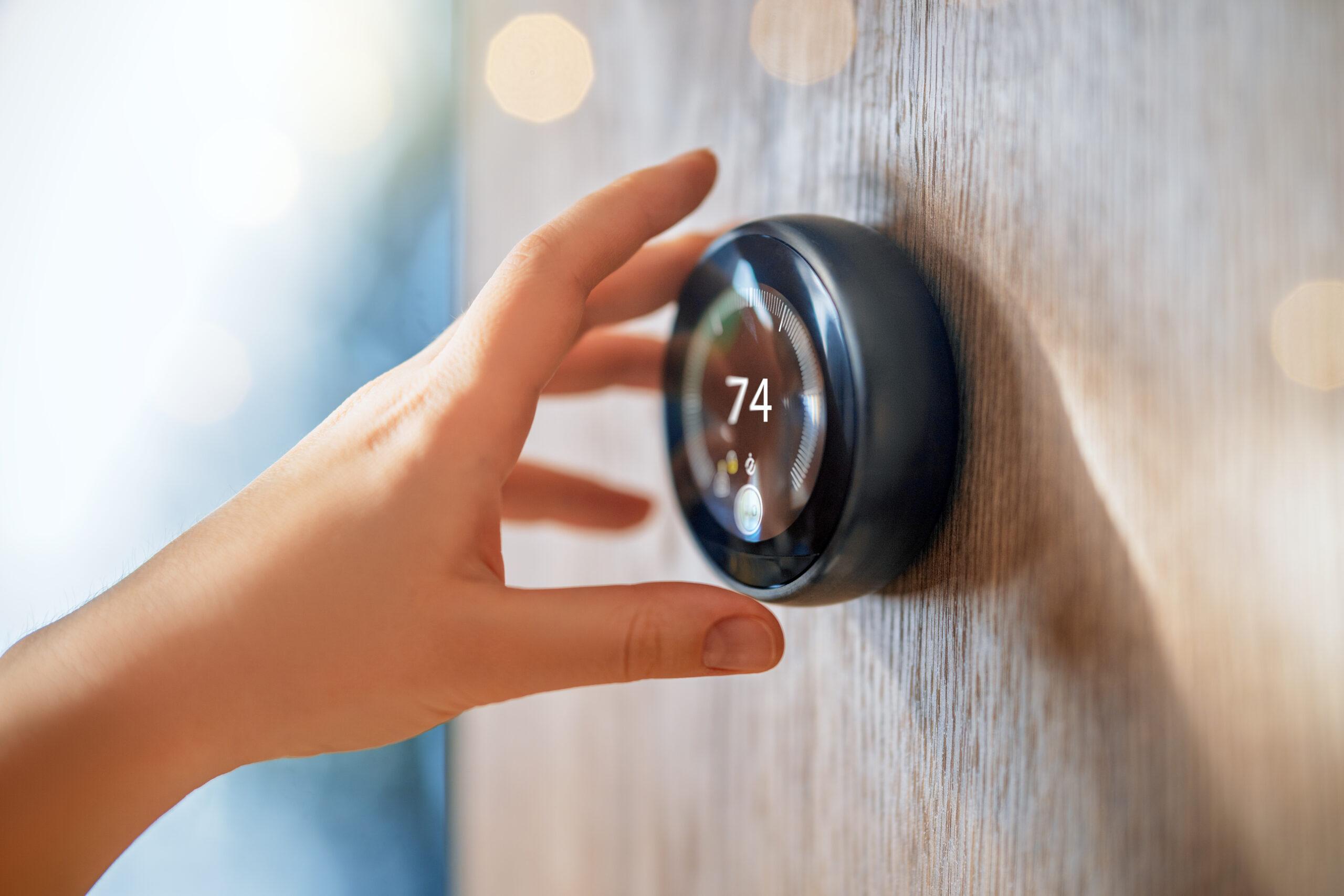
Advanced models can also help manage humidity. Winter air in Virginia can be very dry, which makes the air feel colder than it is. A smart thermostat can control a whole home humidifier, adding moisture to the air to improve comfort. This allows you to feel comfortable at a lower, energy saving temperature.
Choosing the Right Thermostat for Your Home
Selecting a new thermostat is not a one size fits all decision. The right choice depends on your specific HVAC system, your lifestyle, and your budget. The most important consideration is compatibility. This is where professional guidance is essential.
Different types of heating systems require different types of thermostats. A system with a furnace and a standard air conditioner has different wiring needs than a heat pump. A heat pump requires a specific type of thermostat that can control its reversing valve and, more importantly, its auxiliary heat strips.
If the wrong thermostat is installed on a heat pump, it can cause the expensive auxiliary heat to run when it is not needed, which will skycocket your electric bill. It can also fail to engage the aux heat when it is needed, leaving you in the cold. Dual fuel systems, which combine an electric heat pump with a gas furnace, are even more complex. They require an advanced thermostat that can monitor the outside temperature and knows the exact “lockout” point to switch from the efficient heat pump to the powerful furnace.
Your lifestyle also plays a major role. If you have a very regular, 9 to 5 schedule, a 7 day programmable thermostat is an excellent, budget friendly choice that will provide significant savings. However, if your schedule is erratic, you work from home on flexible days, or you travel frequently, a smart thermostat is the clear winner. Its geofencing and learning features will adapt to your changing routine and maximize savings in a way a simple schedule cannot.
While many thermostats are marketed as DIY projects, professional installation is highly recommended. An HVAC technician will ensure the thermostat you have chosen is truly compatible with your specific system. They will wire it correctly to control all stages of your heating and cooling, ensuring it is not wired in a way that damages the unit or runs the wrong heat source. A technician can also program the initial settings based on your equipment, ensuring it is optimized for efficiency from the moment it is turned on.
The humble thermostat holds an incredible amount of power over your home’s comfort, your monthly budget, and the health of your HVAC system. An old, inaccurate, or non-programmable model is a liability. It actively wastes energy, creates an uncomfortable living environment, and puts unnecessary strain on your furnace or heat pump.
Upgrading your thermostat is a simple, powerful, and cost effective improvement. A modern programmable or smart thermostat provides immediate returns in both energy savings and improved comfort. It gives you precise control over your home’s climate and protects your most expensive home appliance from premature wear. If your thermostat is outdated or you are constantly fighting with it, it is time for a change. Contact SWVA Mechanical today to discuss the right thermostat options for your home in the Lebanon area and to ensure your system is running as efficiently as possible.