
Geothermal heat pumps stay one of the most efficient cooling options available to homeowners across Southwest Virginia. During the warmer months of spring and summer, these systems pull heat out of your home and transfer it into the cooler ground below. The process relies on stable underground temperatures that hover around 55 degrees year-round, even when outdoor air climbs into the 90s. That steady temperature gives geothermal systems a massive efficiency edge over traditional air conditioners. Homeowners in Lebanon, Abingdon, and Bristol often see lower electric bills during peak cooling season because of this advantage. Understanding the science behind your system helps you get the most from your investment.
How a Geothermal Heat Pump Provides Cooling During Warm Months
A geothermal heat pump cools your home by reversing the heating process it uses in winter. Instead of pulling warmth from the earth, the system absorbs heat from inside your home and dumps it into the cooler ground. This heat transfer happens through a buried loop system filled with a water and antifreeze solution. The fluid circulates between your indoor unit and the underground loops continuously. Because the ground stays cool even during July and August, the system rejects heat efficiently. This design makes geothermal cooling far more effective than air-source units that fight against hot outdoor air.
The Ground Loop System in a Geothermal Heat Pump
The ground loop sits at the heart of every geothermal heat pump, and it does the heavy lifting during warm months. Installers bury the loops either horizontally in trenches or vertically in deep bore holes, depending on your property size. The loops contain a food-grade antifreeze solution that moves through the pipes at a steady pace. As the fluid passes through your home, it picks up heat from the indoor air handler. The warmed fluid then travels back underground where it releases that heat into the surrounding soil. The cooled fluid cycles back to your home and repeats the process all day long.
Soil temperature stays remarkably consistent below the frost line, which is why ground loops work so well for summer cooling. Most loops sit between four and six feet deep for horizontal installations, with vertical wells reaching 100 to 400 feet down. At these depths, the earth absorbs heat readily without warming up in any meaningful way. Your system never struggles to find a place to dump unwanted heat, even during triple-digit afternoons. That steady performance translates directly into lower energy bills for your household. Many Southwest Virginia homeowners report cooling costs 30 to 60 percent lower than neighbors running standard air conditioners.
Ground loops also last an incredibly long time when installed properly by trained professionals. Quality loops carry warranties of 50 years or more because the polyethylene piping resists corrosion and ground movement. The fluid inside stays sealed in a closed system, so it does not evaporate or require refilling. You get decades of reliable cooling from the same underground infrastructure without major service needs. This longevity makes geothermal a smart long-term investment for property owners who plan to stay put. Need geothermal heat pump maintenance before cooling season hits hard? Click here for our geothermal heat pump maintenance service.
The Refrigerant Cycle in a Geothermal Heat Pump
Inside your indoor unit, a refrigerant cycle works alongside the ground loop to deliver cold air through your ductwork. The refrigerant absorbs heat from the warm air pulled across the evaporator coil by your blower fan. As the refrigerant absorbs heat, it changes from a liquid into a low-pressure gas. The compressor then pressurizes this gas, which raises its temperature significantly before it moves to the heat exchanger. This pressurized refrigerant is much hotter than the fluid circulating through the ground loop.
At the heat exchanger, the hot refrigerant transfers its heat directly to the cooler ground loop fluid. This transfer cools the refrigerant and condenses it back into a liquid state. The ground loop fluid then carries that heat outside where the earth absorbs it harmlessly. Meanwhile, the liquid refrigerant passes through an expansion valve that drops its pressure and temperature sharply. The cold liquid refrigerant returns to the evaporator coil to start the cycle again, pulling more heat from your home’s air.
This continuous cycle keeps your home comfortable without relying on hot outdoor air for heat rejection. Traditional air conditioners must work harder as outdoor temperatures rise because they dump heat into air that is already warm. Geothermal systems face no such limitation because the ground temperature never spikes during summer. You get consistent cooling performance from morning through late afternoon, even during heat waves. The refrigerant itself stays sealed within the system and typically lasts the equipment’s full lifespan. Professional maintenance ensures the refrigerant charge stays within specification for peak efficiency.
The Indoor Components of a Geothermal Heat Pump
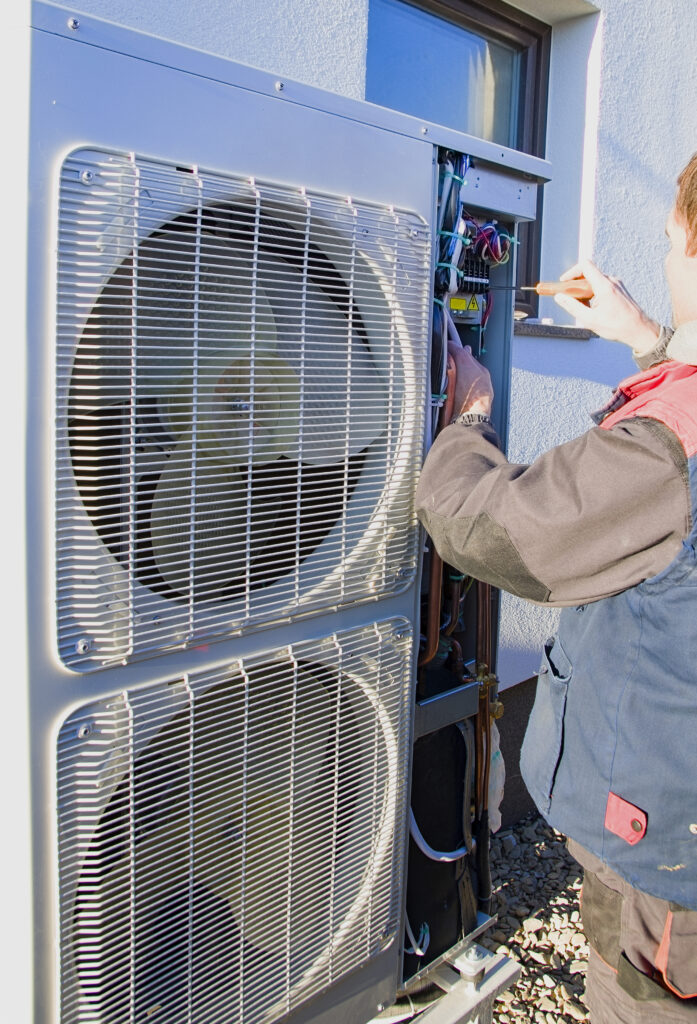
The indoor portion of a geothermal heat pump looks similar to a traditional furnace or air handler. It contains the compressor, heat exchanger, blower motor, and expansion valve all housed in a single cabinet. Most units install in basements, utility rooms, or closets where they operate quietly throughout the day. The blower pushes cooled air through your existing ductwork to every room in your home. Air filters trap dust and allergens before the air passes across the evaporator coil. This filtration helps keep indoor air quality high while the system runs during pollen-heavy spring and summer months.
Modern geothermal units include variable-speed compressors and ECM blower motors that adjust output based on demand. On mild summer days, the system runs at lower capacity to maintain comfort without cycling on and off constantly. This steady operation removes humidity more effectively than single-stage units that kick on for short bursts. Southwest Virginia summers bring plenty of humidity, so strong moisture removal matters for comfort. Your home feels cooler at higher thermostat settings when humidity stays in check. That added benefit saves even more energy during cooling season.
Control systems have advanced considerably in recent years, with smart thermostats integrating seamlessly into geothermal setups. You can monitor energy use, adjust settings remotely, and receive maintenance alerts from your phone. These tools help you spot problems early before they turn into expensive repairs. Some systems even track ground loop temperatures and refrigerant pressures to flag abnormal readings. Keeping tabs on performance data extends equipment life and protects your investment. Professional technicians can also tap into these diagnostics during service visits for faster troubleshooting.
Why Geothermal Heat Pumps Outperform Other Cooling Systems in Warm Months
Geothermal heat pumps outperform standard air conditioners and heat pumps for several reasons during warm months. The biggest advantage comes from rejecting heat into the cool ground instead of hot outdoor air. This single difference drives efficiency ratings far above anything a conventional system can achieve. Energy Star-rated geothermal units deliver cooling efficiencies between 30 and 45 EER, while top-tier air conditioners max out around 20 to 25 EER. That efficiency translates to real savings on monthly utility bills across the hottest months of the year. Southwest Virginia homeowners also benefit from quieter operation and longer equipment lifespans.
The Efficiency Advantage of Geothermal Heat Pumps in Warm Months
Efficiency ratings tell only part of the story for geothermal cooling performance. These systems also maintain full capacity regardless of outdoor temperature, something air-source units cannot match. A standard air conditioner loses cooling capacity as outdoor temperatures climb above 95 degrees. Your home takes longer to cool down, and the system runs nonstop during the hottest hours. Geothermal units keep chugging along at rated capacity because ground temperatures never change meaningfully. That reliable performance matters during July and August heat waves in the mountains.
The coefficient of performance, or COP, measures how much cooling energy a system delivers per unit of electricity consumed. Geothermal systems regularly hit COP values between 4.0 and 6.0 during cooling mode. For every dollar of electricity you spend, you get four to six dollars worth of cooling delivered to your home. Air-source heat pumps typically deliver COP values between 3.0 and 4.0 under ideal conditions, dropping lower in extreme heat. The math strongly favors geothermal when you add up savings across an entire cooling season. Over 15 to 20 years of ownership, those savings often exceed the original installation cost.
Tax credits and utility rebates further improve the financial picture for geothermal installations. The federal tax credit for geothermal heat pumps currently covers 30 percent of installation costs for qualifying systems. Some utilities offer additional incentives for energy-efficient upgrades that reduce grid demand during peak hours. Stacking these incentives makes geothermal competitive with high-end conventional systems on upfront cost. Financing through companies like Wisetack and Synchrony also helps spread the investment over manageable monthly payments. Smart homeowners run the numbers before assuming geothermal costs too much.
The Dehumidification Benefits of Geothermal Heat Pumps in Warm Months
Humidity control ranks just behind temperature control for summer comfort in Southwest Virginia. Air feels sticky and uncomfortable at 78 degrees with 70 percent humidity but pleasant at the same temperature with 45 percent humidity. Geothermal heat pumps excel at humidity removal because of their steady, long run cycles. The evaporator coil stays cold for extended periods, giving moisture plenty of time to condense and drain away. Short-cycling conventional units never reach peak dehumidification before shutting off. Your home feels more comfortable at higher thermostat settings when humidity drops.
Variable-speed geothermal systems take humidity control a step further with dedicated dehumidification modes. These modes slow the blower fan while keeping the compressor running, which maximizes moisture removal without overcooling the space. You stay comfortable without freezing out the family during mild summer evenings. Some advanced units include hot water heating functions that use waste heat from the cooling process. Your geothermal system can preheat domestic hot water during summer operation, cutting water heating costs even further. That combined benefit stretches the efficiency advantage well beyond basic cooling.
Healthy humidity levels also protect your home and belongings from damage. Excess moisture encourages mold growth, damages hardwood floors, warps furniture, and promotes dust mite populations. Keeping indoor humidity between 40 and 50 percent protects your investment in the house itself. Proper humidity also reduces allergy symptoms and respiratory irritation for sensitive family members. Pet dander, pollen, and mold spores all become less irritating when humidity stays controlled. Geothermal cooling delivers this health benefit automatically as part of normal operation.

The Long-Term Savings of Geothermal Heat Pumps in Warm Months
Long-term savings make geothermal the smart choice for homeowners planning to stay in their homes for at least 10 years. Monthly electric bills drop significantly compared to standard air conditioning systems. Families heating and cooling large homes often save $1,500 to $2,500 per year on utility costs. Those savings compound across the 20 to 25-year lifespan of the indoor equipment. Ground loops last even longer, often 50 years or more, meaning future system replacements cost far less than full installations.
Maintenance costs also stay lower with geothermal equipment than with conventional HVAC systems. No outdoor condenser unit means no exposure to weather, debris, or physical damage from falling branches. There is no outdoor coil to clean, no fins to straighten, and no refrigerant lines exposed to the elements. The compressor lives indoors where temperatures stay moderate year-round, reducing wear and tear. Annual maintenance visits focus on filter changes, refrigerant checks, and control system inspections. These simple tasks keep your system running at peak efficiency for decades.
Resale value also climbs for homes with geothermal systems already installed. Energy-conscious buyers pay premiums for homes with documented low utility bills and efficient HVAC equipment. The federal tax credit for new geothermal installations also transfers value to subsequent owners through proven savings. Real estate agents across Southwest Virginia increasingly note geothermal systems as major selling points. Looking to install a new geothermal system before summer heats up? Click here for more information about our geothermal heat pump services.
Why You Need Professional Geothermal Heat Pump Service Before Warm Months Arrive
Spring is the ideal time to schedule professional service for your geothermal heat pump before cooling season begins. Technicians can catch small issues before they grow into major repairs during peak demand. A thorough tune-up also ensures your system runs at full efficiency when temperatures climb. Filter changes, refrigerant checks, and loop pressure tests all matter for summer performance. Skipping maintenance leads to higher bills, reduced comfort, and early equipment failure. SWVA Mechanical offers complete service for geothermal systems throughout Southwest Virginia.
Why You Need Geothermal Heat Pump Maintenance Before Warm Months
Preventive maintenance catches problems before they shut down your cooling during a heat wave. Technicians check refrigerant charge, inspect electrical connections, and verify proper airflow across the evaporator coil. Dirty filters restrict airflow and force the blower motor to work harder than necessary. Clogged drain lines back up condensate and cause water damage to floors and ceilings. Catching these issues in April or May prevents emergency calls in July and August.
Ground loop inspections also matter for long-term system health. Technicians check loop pressures, fluid levels, and heat exchanger performance during scheduled visits. Any drop in pressure might signal a small leak that needs attention before it grows worse. Adding fluid and restoring proper pressure quickly solves most minor loop issues. Annual maintenance also includes calibrating the thermostat and testing all safety controls. These checks keep your system running exactly as designed for maximum efficiency.
Manufacturers require annual maintenance to keep equipment warranties valid across most brands. Skipping professional service could void coverage on expensive components like the compressor or heat exchanger. Regular tune-ups also generate service records that prove proper care during warranty claims. Documentation matters if a major component fails within the warranty period. Your technician provides detailed reports after each visit for your records. This paperwork protects your investment over the full life of the system.
Why You Need Geothermal Heat Pump Repair Before Warm Months
Repair calls spike across Southwest Virginia every June and July as cooling systems fail under heavy loads. Scheduling repairs during spring avoids long wait times during peak season. Small problems like weak capacitors or dirty coils cost far less to fix than major component failures. Catching issues early also prevents secondary damage to related parts. A failing compressor can destroy other components if it limps along for weeks before dying.
Common repair needs include refrigerant leaks, clogged drain lines, failed thermostats, and electrical problems. Experienced technicians diagnose these issues quickly using specialized tools and diagnostic software. Many repairs take only an hour or two when caught early, keeping your total costs low. Letting problems linger turns simple fixes into expensive overhauls. Strange noises, weak airflow, and unusually high electric bills all point to problems worth investigating.
Emergency repairs during summer heat waves cost significantly more than planned service calls. Technicians work extended hours during peak season and charge accordingly for after-hours service. Avoiding that premium pricing means scheduling any needed work during cooler months when demand is lower. Your family also stays comfortable throughout the hottest days of the year. Planning ahead saves money and hassle in equal measure.
Why Choose SWVA Mechanical for Your Geothermal Heat Pump Service
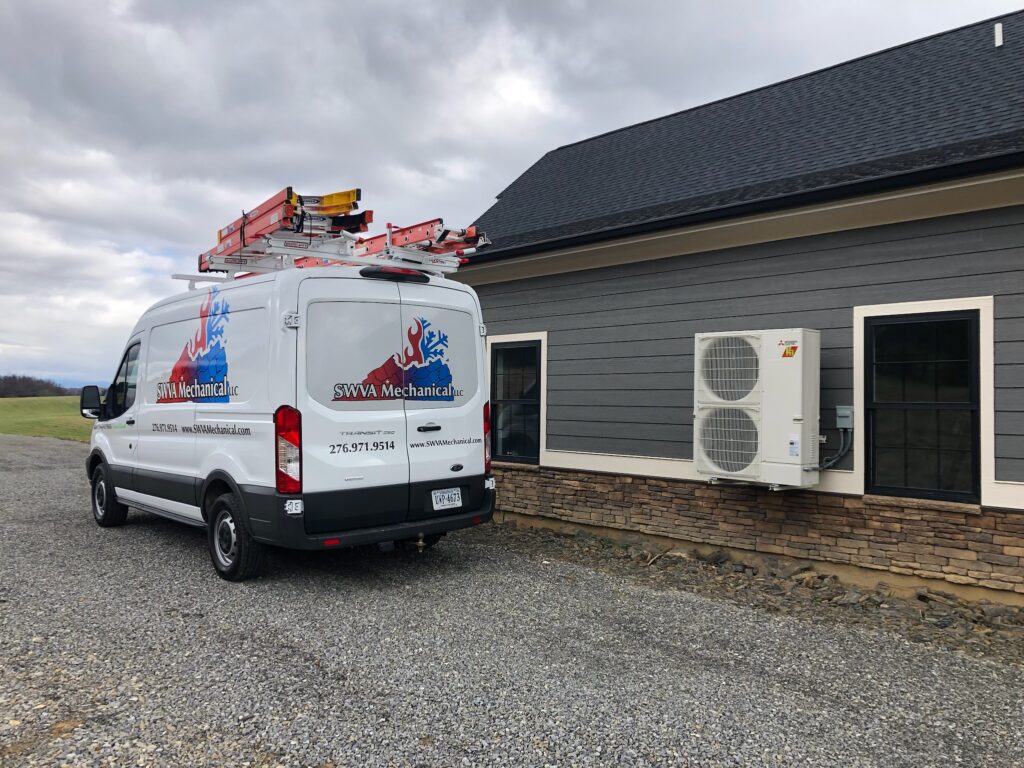
SWVA Mechanical brings decades of industry knowledge to every geothermal service call across Southwest Virginia. Our licensed and certified technicians have trained extensively on geothermal systems and their unique requirements. All our technicians pass background checks and drug tests before joining the team. You can trust our people inside your home and around your family. We serve Lebanon, Abingdon, Bristol, Richlands, Norton, and the surrounding communities with prompt professional service.
As a locally owned and operated small business, we care deeply about our customers and our reputation. We answer the phone ourselves and show up when we say we will. Financing through Wisetack and Synchrony makes repairs and new installations affordable for every budget. Our Gree Select Dealer status means twice the standard warranty on qualifying equipment installations. We also offer energy-efficient HVAC upgrades that save hundreds on utility bills every year.
Ready to schedule geothermal heat pump service before summer arrives? Call SWVA Mechanical at (276) 971-9514 to book your appointment today. Our team handles everything from routine maintenance to complete system installations with the same care and attention. We stand behind our work with solid warranties and responsive follow-up service. Email Brian@swvamechanical.com or visit our office at 72 West Main St in Lebanon to discuss your project. Trust the geothermal experts who call Southwest Virginia home.