
Spring brings pollen, falling branches, and sudden storms across Southwest Virginia, which leaves many homeowners wondering if covering the outdoor AC unit is a smart move. The short answer is no, you should not fully cover your air conditioning unit in the spring. Outdoor condenser units are built to withstand rain, wind, and the seasonal debris that blows through Lebanon, Abingdon, and the surrounding areas. Covering the unit can actually cause more harm than leaving it exposed, including trapped moisture, rust, and rodent nests. This blog breaks down what spring does to your AC, when a partial cover makes sense, and how to protect your system the right way before summer arrives.
Why You Should Not Cover Your AC Unit in the Spring
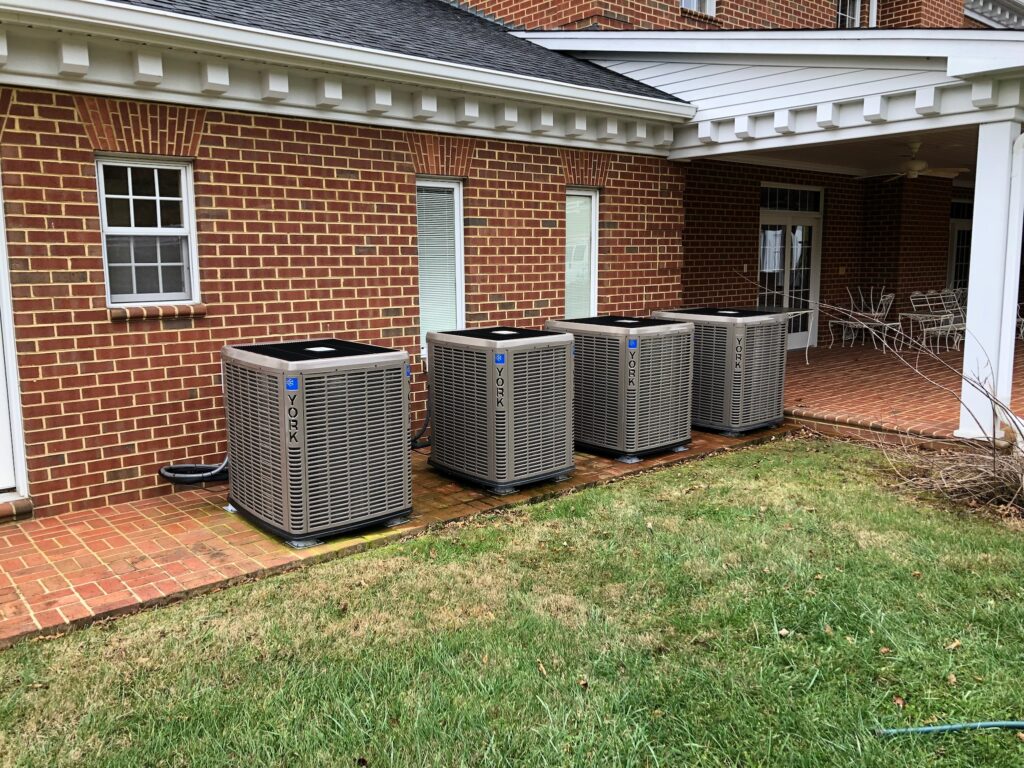
Air conditioning condensers are engineered for outdoor use, which means they already resist rain, UV rays, and spring storms. Wrapping a full cover around the unit traps humidity against the coils and electrical components, which speeds up corrosion. Moisture buildup also invites mold, mildew, and small animals looking for a dry place to nest. Most manufacturers, including major brands serviced across Tazewell and Russell County, specifically warn against full-body covers. A covered AC unit in spring often ends up in worse shape than an uncovered one by the time summer rolls around.
Covering Your AC Unit Traps Moisture and Causes Rust
Southwest Virginia springs bring heavy rain, fog, and rapid temperature swings, all of which create condensation inside a covered unit. When a tarp or vinyl cover wraps the entire condenser, airflow stops, and the trapped humidity has nowhere to go. That moisture settles on copper coils, aluminum fins, and metal cabinetry, where it slowly eats away at protective coatings. Rust on the cabinet is cosmetic at first, but rust on refrigerant lines and electrical connections leads to real performance problems. Corroded terminals cause shorts, weak starts, and eventual compressor failure. Uncovered units dry out quickly after a rain; covered units stay damp for days.
Condenser coils are designed to breathe, even in the off-season. The thin aluminum fins depend on airflow to dry out between storms, and a cover eliminates that natural drying cycle. Over a single wet spring, a fully covered unit can develop the same amount of rust that an uncovered unit develops in several years. Homeowners in Lebanon, Richlands, and Cedar Bluff often see this issue after well-meaning winter covers are left on too long. The coils look fine from the outside, but the damage hides between the fins where airflow normally reaches.
Rust damage is not always visible during a casual inspection, which makes it a silent killer for AC systems. By the time a homeowner notices reduced cooling or strange noises, the corrosion has usually spread to critical components. Replacing a rusted coil or compressor costs far more than simply leaving the unit uncovered. Professional spring maintenance catches early corrosion before it spreads. Need AC maintenance this spring? Click here for our air conditioning maintenance service.
Covering Your AC Unit Invites Rodents and Pests
A covered condenser is a dream home for mice, chipmunks, squirrels, and snakes. The cover blocks wind, holds warmth, and creates a quiet, dark space that mimics a burrow. Rodents chew through wire insulation inside the unit, which leads to shorts, blown capacitors, and complete system failure. Nesting material packed around the compressor also blocks airflow and causes overheating once the system turns back on. In rural parts of Wise, Russell, and Tazewell counties, rodent damage is one of the most common spring AC issues we see.
Insects also take advantage of covered units during spring. Wasps, hornets, and carpenter ants build nests inside the cabinet, especially around the electrical panel and contactor. These nests interfere with the contactor pulling in, which prevents the compressor from starting on the first warm day of the year. Spiders spin webs across the fan blades, and the resulting imbalance causes vibration and bearing wear. Ant colonies can short out circuit boards, which is a repair that often costs several hundred dollars.
Leaving the unit uncovered allows natural airflow, sunlight, and normal wildlife deterrents to keep pests moving along. A condenser that runs occasionally, even briefly, also discourages nesting because the vibration and noise scare animals away. If you already suspect pest damage, do not turn the system on without an inspection first. A qualified technician can safely open the cabinet, clear any nests, and check for chewed wiring. Click here for our air conditioning repair service if your unit sounds off this spring.
Covering Your AC Unit Voids Many Manufacturer Warranties
Most major AC manufacturers include language in their warranty documents about proper outdoor installation and maintenance. Full covers often fall under the category of improper use, especially when moisture damage or pest intrusion is involved. Warranty claims get denied regularly because a technician documents rust or nesting inside a unit that was covered year-round. Homeowners are then stuck paying full price for a repair that should have been covered. Reading the warranty fine print before covering the unit is always a smart step.
Gree, the brand SWVA Mechanical offers as a Select Dealer with double warranty coverage, specifies proper outdoor operation in its warranty terms. Similar language appears in warranties from Carrier, Trane, Lennox, Rheem, and Goodman. Manufacturers design these units for open-air performance, and they expect homeowners to follow the installation manual. Adding a full cover changes the operating environment the unit was tested for. That small change can erase thousands of dollars in warranty protection.
A valid warranty is one of the most valuable parts of a new AC system, and protecting it should be a priority. Spring maintenance from a licensed contractor keeps warranty requirements satisfied and documents the system’s condition each year. Service records matter when filing a claim, because manufacturers want proof that the unit was cared for properly. Skipping professional maintenance and relying on a cover instead is a risky trade. Routine tune-ups protect both the equipment and the paperwork behind it.
When a Partial AC Cover in Spring Makes Sense
There are a few situations where a small, targeted cover adds value during spring without causing the problems a full cover creates. A partial cover shields only the top of the unit, which blocks falling debris while leaving the sides open for airflow. This approach works well under trees that drop seeds, catkins, or small branches during spring storms. The goal is to keep large debris out of the fan blades without trapping moisture inside the cabinet. Knowing when and how to use a partial cover is the key to doing it right.
When a Partial AC Cover in Spring Protects Against Falling Debris
Spring in Southwest Virginia means maple seeds, oak catkins, pine pollen, and the occasional small branch from wind gusts. Condensers installed under large trees in areas like Abingdon, Marion, and Glade Spring catch a lot of this material through the top grille. Debris that falls directly onto the fan blades can cause imbalance, noise, and bent fan motors. A simple plywood board or a breathable mesh top cover keeps this debris out while allowing the sides to vent. The top-only approach is the industry-accepted compromise between protection and airflow.
Size the top cover correctly so it does not extend down over the coils or the cabinet sides. A board cut to match the top of the unit, weighted with a brick, works well for most residential condensers. Avoid plastic tarps, trash bags, or fitted vinyl covers, because they trap condensation even when draped loosely. Breathable materials like canvas or landscape mesh are acceptable when used only on the top surface. The unit should still look mostly exposed, with clear access to the coil fins on all sides.
Remove any top cover before the first day you plan to run the AC. Forgetting a cover in place, even a partial one, restricts airflow at the top of the unit and causes the compressor to overheat. Some homeowners write a reminder on the thermostat or place the cover inside the breaker panel door as a visual cue. A five-second check before flipping the system to cool mode prevents a costly mistake. Spring maintenance is also a good time to remove, inspect, and store any covers until the next off-season.
When a Partial AC Cover in Spring Helps After a Storm
Severe spring storms across Russell, Tazewell, and Washington counties can drop hail, heavy limbs, and large amounts of leaf litter all at once. After a major storm, a short-term top cover makes sense while you wait for cleanup or tree trimming. This is different from a season-long cover, because the goal is a few days of protection, not months. Once the immediate hazard is gone, the cover should come off so the unit can breathe. Short, targeted use is what separates a helpful cover from a harmful one.
Hail damage is a real concern in the Appalachian spring storm season. Condenser fins bend easily under ice impact, and bent fins restrict airflow across the coil. A piece of plywood laid across the top during an active hail warning can prevent significant damage. Never stand near the unit during the storm itself; place the board before the storm arrives and remove it after. Hail-damaged fins can often be combed straight by a technician, but severe damage sometimes requires a full coil replacement.
After any major storm, inspect the unit before turning it on for the first warm day. Look for bent fins, displaced panels, debris inside the fan housing, and any disconnected electrical whips or conduit. If the unit took a direct hit or sat under standing water, call a professional before running it. Click here for our air conditioning repair service if your system shows storm damage this spring. A quick inspection now prevents bigger repairs later.
When a Partial AC Cover in Spring Should Still Be Removed Early
Even the best partial cover needs to come off well before the cooling season starts. Southwest Virginia can hit 80 degrees in April, and running the AC with a top cover still in place causes immediate problems. Airflow at the top of the condenser is critical because that is where hot air exits the unit. Blocked top airflow traps heat around the compressor and forces it to work harder than designed. Overheated compressors have shorter lifespans and are one of the most expensive parts to replace.
Set a calendar reminder for early April to remove any spring cover and walk around the unit. Check for debris on the ground around the pad, trim back any grass or weeds that grew close, and make sure the unit sits level. Clear a two-foot radius of plants, mulch, and stored items from all sides of the condenser. This clearance is what allows the unit to pull in air and expel heat efficiently. Proper clearance also makes service visits faster and safer for technicians.
Before the first cooling day, schedule a professional tune-up to catch anything the cover did not prevent. A licensed technician checks refrigerant levels, electrical connections, capacitor health, contactor condition, and coil cleanliness. These are the exact areas where hidden spring damage tends to show up first. Catching a weak capacitor in April is far cheaper than replacing a compressor in July. Preventive service is always less expensive than emergency repair.
Why You Need Professional Spring AC Service in Southwest Virginia
Covering the unit, or not covering it, is only one small part of getting ready for summer. Spring AC maintenance is where the real protection happens, and it is not something most homeowners can do safely on their own. Refrigerant handling, electrical testing, and coil cleaning all require proper tools, training, and EPA certification. SWVA Mechanical provides complete spring maintenance for homes across Lebanon, Abingdon, Bristol, Norton, and the surrounding counties. A single tune-up now saves money, extends equipment life, and prevents breakdowns on the hottest days of the year.
Why You Need Professional Spring AC Maintenance Before Summer
Spring is the ideal time for AC maintenance because demand is lower and the weather is mild enough to test the system safely. A full maintenance visit includes cleaning the outdoor coil, checking refrigerant pressures, inspecting the capacitor and contactor, and tightening all electrical connections. Technicians also check the indoor evaporator coil, the drain line, and the blower motor for spring dust buildup. Every step is designed to catch small issues before they become summer emergencies. This kind of thorough check simply cannot be done with a garden hose and a screwdriver.
Energy efficiency is another major reason to schedule spring service. A dirty coil or low refrigerant charge can raise electric bills by 20 percent or more during peak summer months. Clean coils transfer heat better, which means the system cools the home faster and cycles off sooner. Lower runtime equals lower bills and less wear on the compressor. Families across Southwest Virginia see noticeable savings after a professional spring tune-up.
Maintenance visits also create a paper trail that protects the equipment warranty. Manufacturers require documented annual service on most new systems, and missed service can void coverage. SWVA Mechanical keeps records of every visit so warranty claims go smoothly when needed. Click here for our air conditioning maintenance service to schedule a spring tune-up today. One appointment covers both performance and warranty protection.

Why You Need Professional Spring AC Repair for Any Warning Signs
Spring is when small AC problems from last summer tend to reveal themselves again. Weak starts, unusual noises, warm air from the vents, and tripped breakers are all signs of a system that needs attention. Ignoring these warnings in April often leads to a complete breakdown in July, when repair schedules fill up fast. Catching the issue early means faster service, smaller repair bills, and no days without cooling. A repair in spring is almost always easier than the same repair in summer.
Common spring repair needs include capacitor replacement, contactor replacement, refrigerant leak repair, and fan motor replacement. Capacitors especially tend to fail after sitting idle all winter, because the internal chemistry weakens with age and temperature swings. A weak capacitor may start the system in mild weather but fail under full summer load. Professional testing identifies a weak capacitor before it quits entirely. This is one of the most cost-effective repairs in HVAC when caught early.
SWVA Mechanical serves the full Southwest Virginia region with licensed, background-checked technicians who handle every major brand. Same-day and next-day repair appointments are available through most of the spring season. Honest diagnostics, upfront pricing, and financing through Wisetack and Synchrony make repairs manageable. Do not wait for the first heat wave to find out something is wrong. Book a spring check now and head into summer with confidence.
Why You Need SWVA Mechanical for Spring AC Service
SWVA Mechanical is a locally owned and operated small business based in Lebanon, Virginia, serving the full region from Abingdon to Wise. Every technician on the team is licensed, certified, background-checked, and drug-tested before stepping onto a job site. Decades of combined industry knowledge back every service call, whether it is a quick tune-up or a full system replacement. Customers get prompt, professional HVAC service from people who live and work in the same communities. That local accountability is something national chains simply cannot offer.
As a Gree Select Dealer, SWVA Mechanical offers double the standard manufacturer warranty on qualifying installations. Energy-efficient upgrades are available for homeowners looking to cut utility bills and improve comfort at the same time. Financing through Wisetack and Synchrony makes new systems and major repairs affordable, with flexible terms for most budgets. Service covers HVAC, refrigeration, and generator installation, which means one trusted contractor handles everything a home or business needs. One call takes care of the whole mechanical side of the property.
Reach SWVA Mechanical at (276) 971-9514 or email Brian@swvamechanical.com to schedule spring AC service. The office at 72 West Main St in Lebanon, VA serves homeowners and businesses across Russell, Tazewell, Washington, Wise, and Smyth counties. Spring appointments fill up quickly once the first warm days hit, so booking early is the smart move. Prompt, professional HVAC service is one phone call away. Get the system ready before summer demands it.