
Spring in Southwest Virginia brings heavy rain, high winds, and severe thunderstorms that can take a serious toll on outdoor HVAC equipment. Your condenser unit sits exposed to the elements all year, but spring storms introduce unique hazards like flying debris, flooding, hail, and power surges. These events can damage sensitive components, bend fins, and compromise electrical connections inside your system. Homeowners often do not realize the extent of storm damage until the unit fails to cool during the first hot day. Knowing what to look for after a storm helps you catch problems early and avoid expensive repairs. SWVA Mechanical sees a spike in spring damage calls every year from Lebanon to Bristol.
The Most Common Spring Storm Damage to Outdoor HVAC Units
Spring storms in the Appalachian region produce some of the most destructive weather your air conditioner will face all year. Wind gusts can exceed 60 miles per hour; hail can range from pea-sized to golf ball-sized; lightning strikes nearby power lines and travels into your equipment. Each of these threats affects a different part of the condenser unit, from the outer cabinet to the internal capacitor. Understanding the specific damage types helps you communicate clearly with your technician and get faster repairs. Recognizing the signs early also prevents minor issues from becoming full system failures.
Hail Damage to Outdoor HVAC Units Explained
Hail is one of the most visible forms of spring storm damage to outdoor HVAC units. The aluminum fins that wrap around your condenser coil are extremely thin and bend easily when struck by falling ice. Once those fins are flattened, airflow across the coil drops dramatically, forcing the system to work harder and run longer to cool your home. This extra strain raises your energy bills and shortens the lifespan of the compressor, which is the most expensive part to replace. Severe hail can also dent the cabinet and crack plastic components around the fan shroud. A professional fin comb can restore many of these bent fins, but only if the damage is caught early.
Hail impact also stresses the refrigerant lines and brazed joints inside the unit. Small hairline cracks may not leak immediately, but over the following weeks, refrigerant slowly escapes and cooling performance drops. A technician with proper leak detection tools can find these small breaches before the system runs dry. Running an air conditioner low on refrigerant damages the compressor through overheating and oil starvation. Addressing hail damage quickly protects the most valuable parts of your system.
Insurance often covers hail damage to HVAC equipment under a standard homeowners policy. Taking photos of the unit immediately after a storm gives you documentation for your claim. A licensed HVAC company can provide a detailed damage assessment that insurance adjusters accept as supporting evidence. Need a professional inspection after a hailstorm? Click here for our air conditioning repair service. Acting fast after hail protects both your equipment and your warranty coverage.
Wind and Debris Damage to Outdoor HVAC Units
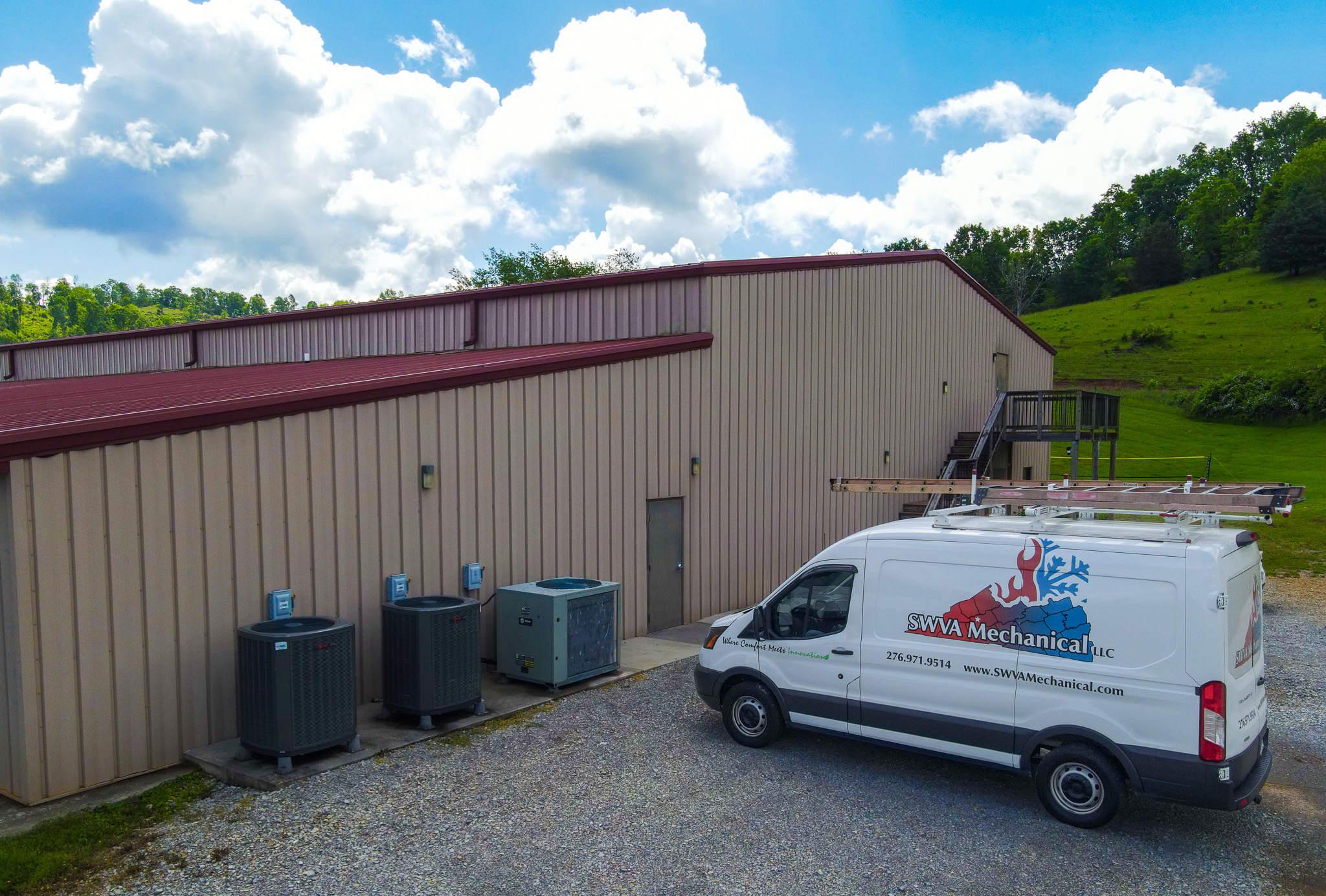
High winds during spring thunderstorms carry branches, leaves, roofing shingles, and loose yard items directly into condenser cabinets. This debris can bend fan blades, crack the fan motor housing, and jam the blower so it cannot spin freely. When the fan motor is obstructed, it draws excess amperage and can burn out within minutes of restarting. Large branches falling on top of the unit sometimes crush the top grille and damage the fan assembly beyond simple repair. Even small twigs inside the coil restrict airflow and create hot spots that reduce efficiency.
Wind-driven rain pushes dirt, pollen, and organic debris deep into the coil fins where a garden hose cannot reach. This buildup traps moisture against the aluminum and accelerates corrosion over time. A professional coil cleaning removes this debris and restores full airflow across the system. Skipping this step after a major storm leads to slow performance losses that many homeowners blame on an aging unit. Regular maintenance visits catch these issues before they become permanent damage.
Strong gusts can also shift the concrete or composite pad that supports your condenser. When the pad tilts, it stresses the refrigerant line set and can cause leaks at the flare connections. A shifted unit also changes how oil returns to the compressor, which leads to premature bearing failure. Want to protect your system with a tune-up this spring? Click here for our air conditioning maintenance service. Catching these alignment issues early saves major repairs later.
Flooding and Water Damage to Outdoor HVAC Units
Heavy spring rain in Southwest Virginia can flood low-lying yards and submerge the base of outdoor condenser units. Water rising above the service disconnect or contactor causes immediate electrical hazards and corrosion to critical components. The contactor, capacitor, and control board are especially vulnerable because they sit inside the electrical compartment at the side of the cabinet. Once water reaches these parts, the system should not be restarted until a qualified technician inspects and tests every circuit. Turning the breaker off at the panel is the first step any homeowner should take when flooding is suspected.
Standing water around the unit also washes silt and sediment into the base pan where condensate normally drains. Over days and weeks, this debris holds moisture against the metal base and causes rust that weakens the entire cabinet. Flooded units often develop ground faults that trip breakers randomly throughout the cooling season. A thorough post-flood inspection includes drying all electrical components, testing insulation resistance, and replacing any corroded terminals. These steps restore safe operation and prevent fire hazards later.
Heat pumps and dual fuel systems are especially vulnerable to flooding because they contain reversing valves and defrost controls that sit lower in the cabinet. Water damage to these components can disable heating operation completely even after cooling is restored. SWVA Mechanical technicians are trained to evaluate flood-damaged heat pumps and recommend honest repair-or-replace decisions. Our team serves Lebanon, Abingdon, Marion, and every community across Southwest Virginia with prompt storm response. Fast action after flooding gives your system the best chance of full recovery.
How to Protect Outdoor HVAC Units From Spring Storm Damage
Protecting your outdoor HVAC unit from spring storm damage starts with smart placement and regular inspections. Most storm damage is preventable with simple precautions that cost little compared to major repairs. A well-maintained unit with proper landscaping, surge protection, and secured pad installation survives severe weather far better than a neglected one. Seasonal tune-ups also catch small issues before storm season arrives. The following steps give your equipment the strongest defense against spring weather in the Appalachian region.
Installing Surge Protection to Prevent Spring Storm Damage
Lightning strikes and power surges are among the most destructive forces during spring storms. A nearby lightning strike sends thousands of volts through the utility lines and directly into your HVAC control board, capacitor, and compressor. These components are not designed to handle that kind of spike and often fail instantly. Whole-home surge protectors installed at the electrical panel provide the first line of defense for every appliance in your house. A dedicated HVAC surge protector at the condenser disconnect adds a second layer of protection specifically for your cooling system.
The cost of a surge protector is a fraction of what a new compressor or control board costs to replace. Most units install in under an hour and carry warranties that cover damaged equipment if the protector fails. SWVA Mechanical recommends surge protection for every home with sensitive electronics or valuable HVAC equipment. This upgrade is especially important for homes with Generac generators that switch power sources during outages. Clean, protected power extends the life of every component in your system.
Surge protection also benefits variable-speed and communicating HVAC systems that rely on sensitive circuit boards to modulate performance. These modern high-efficiency units cost more to repair when their electronics are damaged by surges. Adding protection during installation or your next maintenance visit is the cheapest insurance available. Need help selecting the right protection for your system? Click here for our Generac generator installation service. A small investment now prevents a large repair bill later.

Landscaping and Placement to Prevent Spring Storm Damage
Where your outdoor HVAC unit sits on your property has a direct impact on how much storm damage it absorbs. Units placed under overhanging trees are more likely to be hit by falling branches during high wind events. Trimming back limbs that extend over the condenser reduces this risk significantly. Keeping at least two feet of clearance on all sides of the unit allows proper airflow and gives technicians room to work during emergency service. Removing loose yard decorations, garden tools, and patio furniture before a storm prevents wind-driven impacts.
Elevating the condenser pad above the typical flood line protects the electrical components from water damage. In flood-prone yards, a raised pad or riser kit adds several inches of clearance at minimal cost. Proper drainage around the pad also prevents water from pooling at the base of the unit. Gravel beds and French drains direct runoff away from the equipment during heavy rainfall. These simple grading changes make a measurable difference during severe spring storms.
Shrubs and bushes planted too close to the condenser trap leaves and debris inside the coil fins. Maintaining at least 18 inches of clearance between vegetation and the unit keeps airflow strong and prevents pest nesting. Mulch should be kept away from the base to avoid termite activity and moisture retention. Regular cleaning of the coil surface before and after storm season extends the life of the entire system. Proper placement and landscaping are long-term investments in HVAC reliability.
Securing the Unit to Prevent Spring Storm Damage
A condenser unit that is not properly secured to its pad can shift, tip, or walk during high wind events. This movement stresses refrigerant lines, electrical whips, and the pad itself. Hurricane straps and pad anchors hold the unit firmly in place during severe weather. These inexpensive components are standard practice in coastal regions but are often overlooked in mountain areas that still experience strong storms. SWVA Mechanical installs anchoring systems during new installations and as retrofits on existing equipment.
Checking the condition of the pad itself is equally important for long-term stability. Cracked or settling pads cause the unit to lean, which affects oil return inside the compressor. A level pad also ensures proper condensate drainage and prevents water from pooling inside the base. Replacing a damaged pad is a straightforward service that prevents multiple downstream problems. This step is often included in a thorough spring maintenance visit.
Refrigerant line insulation and outdoor disconnect boxes also need inspection before storm season. UV damage and freeze-thaw cycles degrade insulation over time, exposing copper lines to impact and corrosion. Replacing worn insulation and tightening disconnect covers keeps everything sealed against wind-driven rain. Want to schedule a pre-storm inspection for your system? Click here for our heat pump maintenance service. A secure, well-sealed unit handles spring storms with far fewer problems.
Why You Need Professional Spring Storm Damage Repair for Outdoor HVAC Units
Spring storm damage to outdoor HVAC units is rarely as simple as it looks on the surface. Bent fins, dented cabinets, and obvious water intrusion are only the visible signs of what may be happening inside the system. Electrical damage, refrigerant leaks, and compressor strain often develop slowly over the weeks following a storm. A licensed HVAC technician has the tools, training, and experience to evaluate every component and identify hidden problems before they escalate. Fast, professional repair after a storm protects your investment and keeps your home comfortable.
Why You Need Licensed Technicians for Storm Damage Repair
Licensed HVAC technicians carry the certifications required to handle refrigerant, electrical components, and pressurized systems safely. EPA 608 certification is required by federal law for anyone working with refrigerant, and storm damage repairs often involve recovering, repairing, and recharging these systems. A licensed technician also understands the manufacturer specifications for your specific unit and can maintain warranty coverage through proper repair procedures. DIY repairs or unlicensed work can void warranties and create safety hazards. Hiring qualified professionals protects both your equipment and your family.
Proper diagnostic tools are essential for identifying storm damage that is not visible from the outside. Megohmmeters, leak detectors, manifold gauges, and combustion analyzers all play a role in a thorough post-storm inspection. SWVA Mechanical technicians carry the full range of professional equipment needed to evaluate residential and commercial systems. Our team is background checked and drug tested, giving you confidence in who arrives at your home. Licensed expertise makes every service call safer and more effective.
Training matters especially for modern high-efficiency systems with variable-speed compressors and communicating controls. These units require specific diagnostic procedures that differ from older single-stage equipment. A technician without current training can misdiagnose storm-related issues and recommend unnecessary parts replacement. Our team stays current on the latest equipment from major manufacturers including Gree, where we are a Select Dealer offering double the standard warranty. Ongoing training ensures accurate repairs the first time.
Why You Need Fast Response After Spring Storm Damage
Delayed repairs after a spring storm allow small problems to grow into major failures. Refrigerant leaks drain the system over days and weeks, eventually causing compressor damage that costs thousands to repair. Electrical damage can trip breakers repeatedly and create fire hazards inside the disconnect box. Water intrusion continues to corrode components even after the storm passes, shortening the lifespan of every part it touches. Quick professional response stops this cascade of damage before it spreads.
Fast response also prevents extended periods without cooling during the first warm days of spring. Southwest Virginia springs can turn hot quickly, and a damaged system leaves your home uncomfortable when you need it most. SWVA Mechanical offers prompt service calls throughout our entire coverage area from Wise to Bristol. Our technicians arrive ready to diagnose and repair most issues in a single visit. Speed combined with quality service keeps your home comfortable through changing spring weather.
Insurance claims also benefit from fast professional documentation of storm damage. Adjusters rely on licensed contractor reports to approve coverage and determine payout amounts. The sooner a technician documents the damage, the stronger your claim will be. We provide detailed written assessments for every storm damage call. Working with a responsive HVAC company simplifies the entire insurance and repair process.
Why Choose SWVA Mechanical for Spring Storm Damage Repair
SWVA Mechanical is a locally owned and operated small business serving the communities of Southwest Virginia with decades of combined industry knowledge. Our technicians are licensed, certified, background checked, and drug tested, giving every customer peace of mind. We handle residential and commercial HVAC, refrigeration, and generator service from our location at 72 West Main Street in Lebanon, Virginia. Our service area covers Lebanon, Abingdon, Bristol, Marion, Wise, Tazewell, and every community in between. Local expertise means faster response times and a team that understands the specific weather challenges of the Appalachian region.
We are a Gree Select Dealer, which means our customers receive twice the standard factory warranty on Gree equipment installed by our team. This dealer status reflects the training and performance standards we meet every year. We also offer energy-efficient HVAC upgrades that lower monthly bills and qualify for available rebates. Financing is available through Wisetack and Synchrony, making major repairs and replacements affordable for every budget. Quality workmanship and honest pricing are the foundation of our business.
Spring storms can cause serious damage to your outdoor HVAC unit, but fast professional service restores comfort and protects your investment. Call SWVA Mechanical at (276) 971-9514 or email Brian@swvamechanical.com to schedule your storm damage inspection today. Our team is ready to evaluate hail damage, flood damage, wind damage, and electrical issues caused by severe weather. We treat every home and business with the same respect we would want for our own. Trust Southwest Virginia’s dedicated HVAC, refrigeration, and generator experts for all your spring repair needs.