
A walk in cooler should hold produce, dairy, and prepped ingredients at a steady chill, not turn them into blocks of ice. When food starts freezing on the shelves, something inside the system is pushing temperatures well below the setpoint. This is a common spring problem for restaurants and grocery stores across Southwest Virginia, especially as outdoor temperatures swing and compressors work harder to keep up. Frozen lettuce, cracked eggs, and icy sauces mean lost inventory and frustrated kitchen staff. The good news is that most causes are fixable with the right diagnosis. Understanding why this happens helps you catch the issue before your next food delivery spoils. A properly running cooler keeps product fresh without ever forming ice crystals on the surface.
Common Reasons a Walk In Cooler Freezes Food Instead of Cooling It
Several mechanical and operational issues can cause a walk in cooler to drop below safe refrigeration temperatures. The thermostat, evaporator coil, defrost cycle, and airflow patterns all play a role in maintaining the 34 to 38 degree range most coolers are designed to hold. When one of these components fails or falls out of calibration, the unit can overcool and start freezing the food inside. Pinpointing the exact cause requires a trained eye and the right diagnostic tools. Ignoring the problem almost always leads to bigger refrigeration repairs down the road.
A Failing Thermostat Can Cause Your Walk In Cooler To Freeze Food
The thermostat is the brain of your walk in cooler, telling the compressor when to kick on and when to shut off. When it drifts out of calibration or fails outright, the cooler keeps running long past the point it should stop. This pushes internal temperatures into the high 20s or low 30s, which is cold enough to freeze lettuce, tomatoes, and other water-rich foods. You might notice the compressor running nonstop or cycling at odd intervals. A digital thermometer placed inside the box will confirm the actual temperature against what the thermostat displays.
Replacing a thermostat is a relatively straightforward repair for a certified refrigeration technician. The tricky part is making sure the new unit is calibrated correctly and matched to the cooler’s specifications. An undersized or incompatible thermostat can create the same freezing issue all over again. Professional installation ensures the sensor is placed in the right spot, away from direct airflow and door swings. This gives you accurate readings and stable temperatures going forward.
Regular maintenance catches thermostat drift before it ruins a delivery of produce. Technicians test calibration during routine service visits and adjust or replace the component as needed. If you suspect your thermostat is the problem, call us right away. Need walk in cooler repair? Click here for our walk in cooler repair service. Catching the issue early protects your food cost and your reputation with customers who expect fresh ingredients.
A Dirty Evaporator Coil Can Cause Your Walk In Cooler To Freeze Food
The evaporator coil absorbs heat from inside the cooler and transfers it to the refrigerant. When dust, grease, or food debris builds up on the coil fins, airflow across the surface drops significantly. Reduced airflow causes the coil to run colder than designed, and frost starts building up on the fins themselves. That frost acts like insulation, forcing the system to run even longer to hit the setpoint. The result is a cooler that overshoots its target temperature and starts freezing whatever is closest to the evaporator.
Commercial kitchens produce a lot of airborne grease and flour, which settle onto coil surfaces over time. Grocery stores and florists deal with dust and fibers that mat down between the fins. Once the buildup reaches a certain point, cleaning becomes a specialized job that requires coil-safe chemicals and proper rinsing. Spraying water on a live electrical component is dangerous, and the wrong cleaner can corrode the aluminum fins. A professional refrigeration technician handles the job safely and thoroughly.
Scheduled coil cleanings are part of a solid preventive maintenance plan. Most commercial coolers benefit from evaporator coil service every six to twelve months, depending on the environment. Keeping the coils clean also improves energy efficiency and extends the life of the compressor. Want to schedule walk in cooler maintenance? Click here for our walk in cooler maintenance service. Preventive care costs far less than emergency repair calls during a busy service window.
A Stuck Defrost Cycle Can Cause Your Walk In Cooler To Freeze Food
Every walk in cooler runs a defrost cycle to melt frost off the evaporator coil before it builds up into a solid block of ice. The cycle is controlled by a timer or an electronic defrost board, which signals the system to pause cooling and activate defrost heaters. When that timer sticks or the heaters fail, frost accumulates unchecked on the coil. The cooler then struggles to maintain airflow, and cold spots develop inside the box where food starts to freeze. You might see ice forming on the ceiling near the evaporator or around the door frame.
Defrost issues are often misdiagnosed because the symptoms overlap with other refrigeration problems. A technician uses a multimeter and the manufacturer’s wiring diagram to test the defrost timer, heaters, and termination sensor. Replacing a bad component is usually quick once the failed part is identified. Skipping this repair leads to compressor stress, refrigerant flow issues, and eventually a total system breakdown. Addressing defrost problems early saves the cost of replacing expensive components later.
Older coolers with mechanical defrost timers are especially prone to sticking and failing. Upgrading to an electronic defrost control gives you more reliable cycles and better temperature stability. Our technicians can evaluate your current setup and recommend the right solution for your equipment. A working defrost cycle is essential to keeping food at the right temperature without freezing. Without it, even a perfectly tuned compressor will eventually freeze your inventory.
How To Prevent Your Walk In Cooler From Freezing Food In The Future
Stopping the freezing problem before it starts comes down to consistent care and attention to the warning signs. Most walk in cooler failures build up over weeks or months, giving you plenty of time to catch them if you know what to look for. Operators who stay on top of basic checks rarely face emergency breakdowns. Pairing daily habits with professional service visits gives your cooler the best chance at a long, reliable life. Small investments in prevention pay off in lower food waste and fewer repair bills.
Daily Checks Help Prevent Your Walk In Cooler From Freezing Food
Start each shift with a quick look at the cooler’s thermometer and a walk through the interior. Temperatures should sit between 34 and 38 degrees for most food service applications. If you see readings drifting below 33 or above 40, something is off and needs attention. Check for frost buildup on the evaporator coil, ice on the floor near the door, or unusual noises coming from the condensing unit. These early signs give you a head start on scheduling service before food starts freezing.
Door gaskets deserve a close look every day as well. Cracked or compressed gaskets let warm air leak in, which confuses the thermostat and triggers longer run times. Make sure doors close fully and latches engage properly. Train your staff to avoid propping doors open during deliveries or restocking. Every minute a door sits open adds stress to the system and throws off internal temperatures.
Keep a simple log of temperature readings, unusual observations, and any service performed. Patterns often emerge that point to a specific component starting to fail. Sharing that log with your refrigeration technician speeds up diagnosis when something does go wrong. Good records also help with health inspections and insurance claims if food loss ever occurs. A five minute daily routine protects thousands of dollars in inventory.
Professional Maintenance Helps Prevent Your Walk In Cooler From Freezing Food
Scheduled maintenance visits catch problems that daily checks cannot. A trained refrigeration technician inspects refrigerant levels, tests electrical components, cleans coils, and verifies defrost cycle operation. They also check compressor amp draw, condenser fan function, and door seal integrity. Each of these items contributes to stable cooling performance and prevents the overcooling that causes food to freeze. Most commercial operations benefit from service visits two to four times per year.
Maintenance plans also build a service history for your equipment. When a part starts showing wear, your technician can recommend replacement before it fails completely. This planned approach avoids weekend emergency calls and the premium rates that come with them. It also extends the useful life of your cooler by years in many cases. Well maintained equipment runs more efficiently and uses less electricity, which adds up on your monthly utility bill.
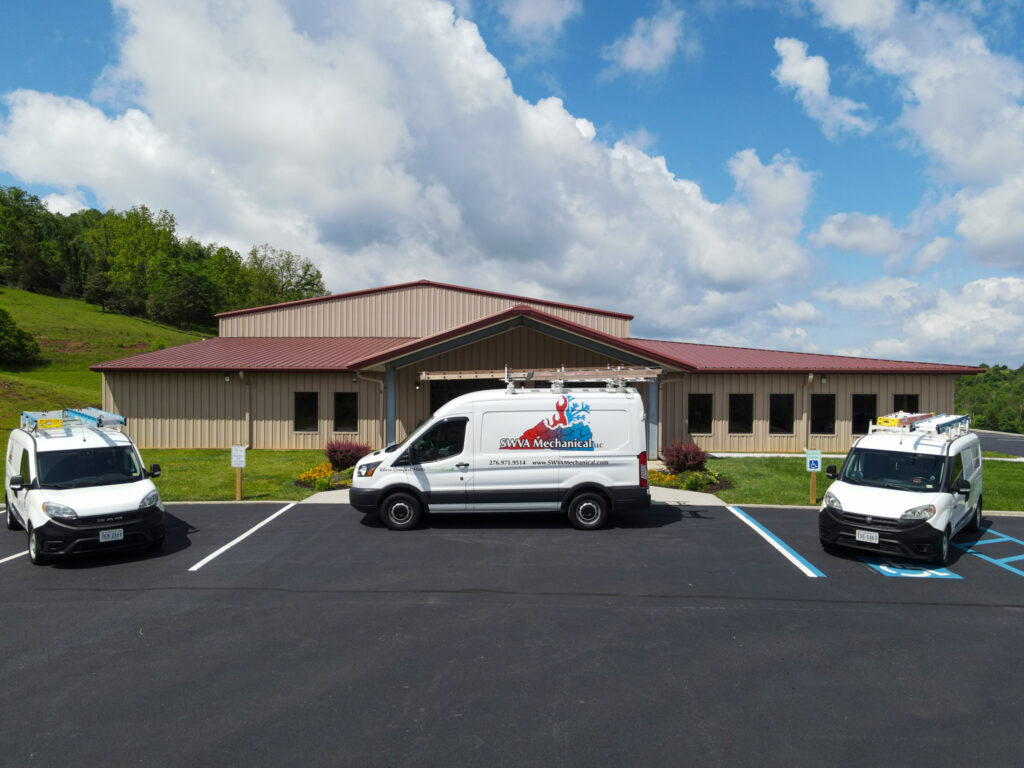
SWVA Mechanical serves commercial kitchens, grocery stores, florists, and other businesses across Southwest Virginia with dependable refrigeration maintenance. Our technicians know the specific equipment used in the region and the challenges that come with seasonal temperature swings. Need walk in cooler maintenance? Click here for our walk in cooler maintenance service. Consistent professional care keeps your cooler performing exactly the way it should.
Smart Loading Practices Help Prevent Your Walk In Cooler From Freezing Food
How you load a cooler affects airflow just as much as the mechanical components do. Blocking the evaporator discharge with boxes or stacked product creates cold spots that freeze food. Leave at least two to three inches of clearance around the evaporator and along the ceiling for proper air circulation. Rotate stock so older product gets used first and new deliveries go toward the back. This prevents items from sitting in the coldest zones for extended periods.
Avoid placing water-rich foods like lettuce, tomatoes, or berries directly below the evaporator. These items freeze faster than denser products and show damage right away. Store them in the middle of the box where air temperature is more uniform. Use shelving with open wire construction rather than solid panels to let air move freely. Small layout changes often eliminate freezing complaints without any mechanical work at all.
Train your team on proper loading techniques and review the setup regularly. Turnover in kitchen staff means loading habits drift over time, sometimes leading to airflow problems that look like equipment failure. A quick refresher every few months keeps everyone on the same page. Combining smart loading with regular maintenance and daily checks gives your walk in cooler the best possible operating conditions. Your food stays fresh, your costs stay down, and your kitchen keeps running smoothly.
Why You Need A Professional To Fix A Walk In Cooler That Is Freezing Food
A walk in cooler that freezes food needs more than guesswork to repair correctly. The systems involved span electrical controls, refrigerant handling, airflow management, and mechanical components. Diagnosing the real cause takes training, the right tools, and experience with commercial refrigeration equipment. Calling a certified technician from the start saves time, money, and frustration. SWVA Mechanical has served Southwest Virginia businesses with expert refrigeration service for years.
A Professional Technician Can Fix A Walk In Cooler That Is Freezing Food Safely
Refrigerant handling requires EPA certification under federal law, and mistakes can damage the environment and the equipment. Our technicians carry the proper certifications and use calibrated recovery machines to service sealed systems correctly. Working with high voltage electrical components also demands training in lockout procedures and testing methods. DIY repair attempts often create safety hazards and void equipment warranties. Professional service protects your staff, your building, and your investment.
Commercial refrigeration equipment varies widely in design, age, and manufacturer. A technician who works on these systems daily recognizes the quirks of each brand and model. That familiarity leads to faster diagnosis and more accurate repairs the first time. Parts availability also matters in commercial work, since every hour of downtime costs money. SWVA Mechanical stocks common refrigeration components and sources specialty parts quickly through established supplier relationships.
Safety matters just as much as technical skill in this work. Our technicians complete background checks and drug testing before they ever step onto a customer site. You can trust the person in your building to represent our company and respect your property. That peace of mind comes standard with every service call we run.
A Professional Technician Can Fix A Walk In Cooler That Is Freezing Food Quickly
Time is critical when refrigeration equipment fails in a commercial setting. Food inventory, customer orders, and staff schedules all depend on the cooler working reliably. Our service vehicles arrive fully stocked with diagnostic tools, refrigerant, and common replacement parts. This lets our technicians resolve most issues in a single visit rather than returning multiple times. Prompt service is one of the core commitments we make to every customer.
Scheduling works around your business hours whenever possible. Many kitchens prefer service during slower periods to avoid disrupting food prep and service. We coordinate with your team to find the best window for repair work. For emergency situations, we respond as fast as our current schedule allows. Getting your cooler back to the right temperature is always the priority.
Financing options are available through Wisetack and Synchrony for larger repairs or equipment replacement. This helps spread the cost of unexpected breakdowns across manageable payments. Ask your technician about financing during the service visit if cost is a concern. We want the repair process to be as smooth as possible from start to finish.
Why Choose SWVA Mechanical To Fix A Walk In Cooler That Is Freezing Food
SWVA Mechanical is a locally owned and operated small business based in Lebanon, Virginia. We have built our reputation on prompt, professional HVAC and refrigeration service across the region. Decades of industry knowledge back every diagnosis and repair we perform. Our technicians are licensed, certified, and committed to doing the job right the first time. When you call us, you get a team that genuinely cares about keeping your business running.
We serve commercial kitchens, grocery stores, convenience stores, and other businesses throughout Southwest Virginia. From Abingdon to Wise, our service area covers the communities where our team lives and works. That local presence means faster response times and a real understanding of the businesses we serve. We know how much a walk in cooler failure costs a restaurant on a Friday night. That urgency drives everything we do on a service call.
Call SWVA Mechanical at (276) 971-9514 when your walk in cooler starts freezing food or shows any other sign of trouble. You can also email Brian@swvamechanical.com to schedule service or ask about maintenance agreements. We look forward to keeping your refrigeration equipment running at peak performance. Your food stays fresh, your customers stay happy, and your business keeps moving forward.