
Cold weather puts serious stress on standby generators, and a unit that refuses to start during a winter storm can leave your home without heat, lights, or working appliances. Temperatures in Southwest Virginia often drop into the teens and single digits, which thickens oil, weakens batteries, and causes fuel system issues. A generator that starts fine in mild weather can struggle when the thermometer plunges. Knowing the common cold weather starting problems helps you respond quickly during an outage. Many issues have simple fixes you can check before calling a technician. Other problems require professional diagnosis and repair. Understanding both categories saves time, money, and frustration when the power goes out.
Common Reasons a Generator Won’t Start in Cold Weather
A generator that refuses to crank in freezing temperatures usually points to one of several predictable problems. The battery, fuel system, oil viscosity, and cold weather accessories all play critical roles in a successful cold start. Most cold weather starting failures trace back to a weak battery or neglected maintenance from the warmer months. Identifying the cause quickly matters when your family needs heat and power during a storm. The following breakdown covers the most frequent culprits behind cold weather generator failures.
Battery Failure Is the Top Reason a Generator Won’t Start
Battery failure causes the majority of cold weather generator starting problems. Cold temperatures reduce battery capacity significantly, and a battery at zero degrees Fahrenheit delivers roughly half the cranking power it provides at 80 degrees. A battery that was marginal in October can fail completely in January. Most standby generator batteries last three to five years, though extreme cold shortens that lifespan. Corroded terminals, loose connections, and low electrolyte levels also prevent proper starting. Checking the battery voltage with a multimeter gives you a quick health reading; a fully charged battery should read 12.6 volts or higher.
The battery charger inside your generator keeps the battery topped off between runs. If the charger fails, the battery slowly drains and eventually cannot crank the engine. You may notice warning lights on the generator controller indicating a charger fault or low battery voltage. Some homeowners only discover the problem during an actual power outage, which is the worst possible time. Regular testing during scheduled maintenance catches failing batteries before they strand you in the cold. Replacing a battery costs far less than an emergency service call during a storm.
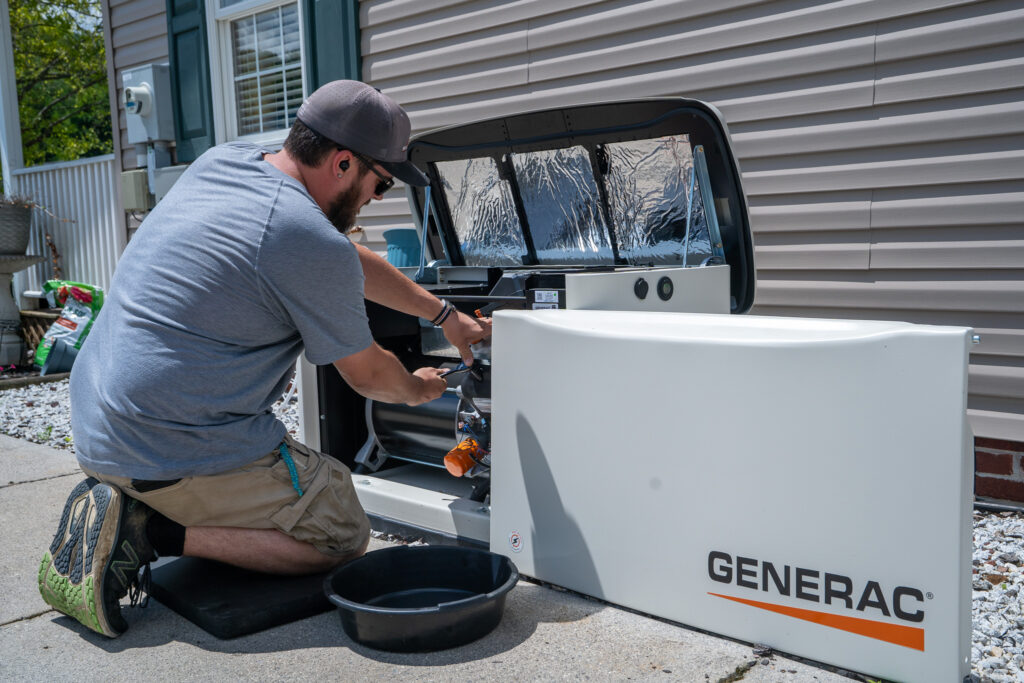
Battery connections deserve close attention during cold weather. Corrosion builds up on terminals and creates resistance that blocks current flow. Loose cable clamps produce the same result, and both problems worsen when metal contracts in freezing temperatures. Cleaning terminals with a wire brush and applying dielectric grease prevents these issues. Tightening cable connections takes only minutes and prevents frustrating no-start situations. If your Generac generator shows battery warnings or fails to start, click here for our generator repair service.
Fuel System Problems Stop Generators From Starting in Cold Weather
Fuel delivery problems rank second behind battery failure for cold weather no-start issues. Propane generators face pressure drops as temperatures fall because liquid propane does not vaporize as readily in extreme cold. A propane tank that performs fine at 40 degrees may not deliver enough vapor pressure at 10 degrees to start and run the generator. Tank size, fill level, and ambient temperature all affect vapor production. A tank filled to only 20 percent capacity struggles to supply a generator during a long winter outage. Keeping propane tanks at least 40 percent full during winter months helps maintain proper vapor pressure.
Natural gas generators rarely face fuel supply issues because the utility maintains consistent line pressure. However, gas regulators can freeze in severe cold if moisture gets into the system. Ice forms inside the regulator and blocks gas flow to the generator. Outdoor regulators exposed to wind chill face the highest risk of freezing. Regulator heaters prevent this problem in climates with sustained sub-freezing temperatures. A frozen regulator requires professional thawing and inspection to restore safe operation.
Fuel lines and connections also cause cold weather problems. Small leaks that went unnoticed in summer become critical when the generator needs to start during an outage. Rubber fuel line components stiffen and crack in extreme cold, creating new leak points. Any fuel smell around the generator indicates a problem that needs immediate professional attention. Do not attempt to start a generator with a suspected fuel leak. Annual fuel system inspection during generator maintenance catches these issues before winter arrives.
Oil Viscosity and Cold Weather Accessories Affect Generator Starting
Engine oil thickens dramatically in cold weather, making it harder for the starter motor to turn the engine. Generators filled with summer-weight oil may crank slowly or not at all when temperatures drop below 20 degrees Fahrenheit. Most manufacturers specify synthetic 5W-30 oil for year-round use in standby generators. Synthetic oil flows better at low temperatures and provides faster lubrication during cold starts. Checking your owner’s manual confirms the correct oil grade for your specific model. Using the wrong oil weight is one of the most common cold weather starting mistakes.
Cold weather kits make a significant difference in reliable winter starting. These kits typically include a battery warmer, an oil heater, and sometimes a crankcase breather heater. The battery warmer keeps the battery at a temperature where it can deliver full cranking power. The oil heater maintains oil viscosity so the engine turns over easily. Generators installed without cold weather kits in our region struggle during severe cold snaps. Adding a cold weather kit to an existing generator is a straightforward upgrade for a qualified technician.
Block heaters warm the engine coolant and provide the fastest, most reliable cold weather starts. Liquid-cooled generators benefit most from block heaters, especially larger units that serve whole homes. The heater draws a small amount of electricity continuously to keep the engine warm and ready. This small energy use pays off during outages when the generator must start immediately. Exercising your generator weekly also helps confirm all cold weather accessories function properly. A generator that starts during its weekly self-test will almost certainly start during an actual outage.

Steps to Take When Your Generator Won’t Start in Cold Weather
Responding correctly when your generator fails to start in cold weather can mean the difference between a quick fix and hours without power. Safety comes first, especially when dealing with fuel systems and electrical components in freezing conditions. A systematic approach helps you identify simple problems you can solve and recognize issues that require professional repair. The following steps guide you through the process without risking damage to the generator or injury to yourself.
First Steps to Troubleshoot a Generator That Won’t Start in Cold Weather
Start by checking the generator controller for any warning lights or error codes. Modern Generac units display specific fault codes that point directly to the problem. Write down any codes you see before attempting any resets. The owner’s manual explains what each code means and whether the fault is something you can address. Some codes indicate minor issues like a tripped breaker, while others signal serious problems that require professional service. Taking a photo of the display helps your technician diagnose the issue faster if service is needed.
Next, verify that the generator is set to automatic mode rather than off or manual. Homeowners sometimes switch generators to off for maintenance and forget to return them to automatic. The transfer switch also needs to be in the correct position to signal the generator during an outage. Check the main disconnect and any manual switches your installer showed you during startup training. A generator that appears dead may simply be in the wrong operating mode. This quick check takes seconds and solves a surprising number of no-start calls.
Listen carefully when you attempt a manual start. A clicking sound with no engine rotation points to a weak battery or starter problem. Slow cranking without starting suggests battery weakness, thick oil, or fuel delivery issues. No sound at all indicates a control problem, blown fuse, or complete battery failure. The sound the generator makes tells a trained ear exactly what system to check first. Note what you hear so you can describe it accurately if you need to call for service.
Safety Considerations When Your Generator Won’t Start in Cold Weather
Never attempt repairs on a generator with fuel leaks, exposed wiring, or visible damage. Propane and natural gas present fire and explosion hazards that demand professional handling. If you smell gas near the generator, move away from the unit and call your gas utility immediately. Cold weather makes fuel leaks harder to detect by smell, so stay alert for any unusual conditions. Electrical components carry dangerous voltage even when the engine is not running. The battery itself can deliver enough current to cause serious burns or start fires if shorted.
Keep the generator enclosure closed during active weather. Opening the enclosure exposes internal components to snow, ice, and moisture that can cause additional damage. Water intrusion into control boards creates expensive repairs and potential safety hazards. If you must open the unit to check something, wait for a break in the weather and work quickly. Close the enclosure immediately after any inspection. Professional technicians carry weather protection equipment for service calls during storms.
Carbon monoxide becomes a serious concern when working around generators. Even a generator that will not start completely can produce exhaust fumes during cranking attempts. Never bring a generator indoors or into a garage to warm it up, regardless of how cold it is outside. Portable generators used as backup during standby failures must operate at least 20 feet from the home with exhaust directed away from doors and windows. Carbon monoxide detectors inside the home provide essential protection during any generator operation. Symptoms of carbon monoxide exposure include headache, dizziness, and nausea.
When to Call a Professional for Your Generator That Won’t Start in Cold Weather
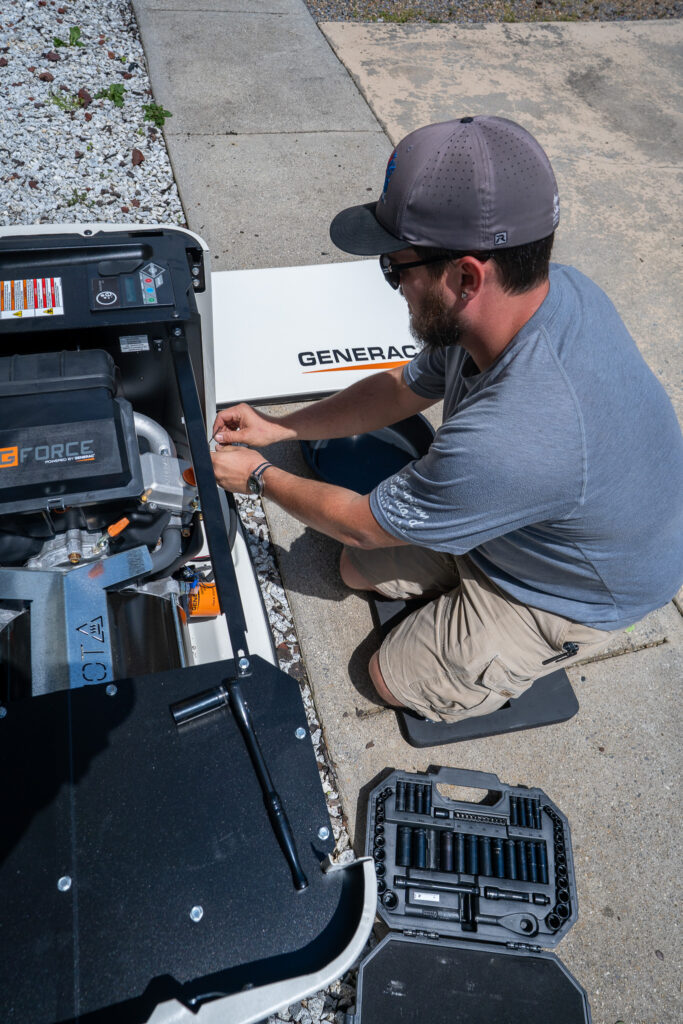
Call a qualified technician any time you see error codes you do not understand. Attempting repairs based on guesses often creates additional problems and voids warranty coverage. Generac generators use sophisticated control systems that require diagnostic equipment for accurate troubleshooting. A professional arrives with the right tools, parts, and training to solve the problem quickly. The cost of a service call is small compared to the damage caused by incorrect repairs. Trained technicians also spot related issues that might cause future failures.
Fuel system problems always require professional service. Diagnosing propane vapor pressure issues, inspecting gas regulators, and repairing fuel lines demand specialized training and equipment. Improper fuel system work creates serious safety hazards including fire and explosion risks. Gas leaks inside a home can prove fatal to occupants. A licensed technician carries the certifications and insurance needed for safe fuel system repairs. Never attempt fuel system work yourself, regardless of how simple the problem appears.
Battery replacement seems straightforward, but modern generators often require specific battery types and proper setup procedures. Some models need the controller reset or reprogrammed after battery replacement. Using the wrong battery voids warranties and may damage the charging system. A professional replacement includes testing the charging system to confirm the new battery will last. This prevents the common situation where a replacement battery fails within weeks because the underlying charging problem was never addressed.
Why You Need Professional Generator Service Before Cold Weather Arrives
Professional generator service before winter prevents most cold weather starting failures. Technicians identify weak batteries, inspect fuel systems, change oil to the correct winter grade, and verify all cold weather accessories function properly. This preventive approach costs far less than emergency service during a storm and keeps your family safe and warm during outages. SWVA Mechanical provides comprehensive generator service throughout Southwest Virginia for homeowners who depend on their standby power during winter storms.
Scheduled Generator Maintenance Prevents Cold Weather Starting Problems
Annual maintenance catches the small problems that become big failures during winter. Battery testing reveals weak cells before they leave you without power. Oil and filter changes maintain proper lubrication for reliable starts in any weather. Fuel system inspection finds leaks, blockages, and regulator issues while conditions allow safe repair. Spark plug replacement and air filter service keep the engine running efficiently during long outages. Every maintenance visit includes a test run under load to verify the generator performs as designed.
Maintenance schedules should match your generator’s operating hours and the local climate. Southwest Virginia winters demand more from standby generators than milder regions require. Extended cold spells and ice storms put units through extreme conditions that accelerate wear on critical components. A maintenance plan tailored to our region addresses these specific challenges. Professional technicians know what to inspect, what to replace, and when based on years of field experience. This knowledge cannot be replaced by homeowner maintenance attempts.
Maintenance contracts provide the most reliable protection for standby generators. These agreements include scheduled visits, priority service during outages, and often discounted parts and labor. Contract customers receive service before non-contract calls during widespread outages. This priority matters most during the storms when generator service is in highest demand. Need generator maintenance before winter? Click here for our generator maintenance service.
Professional Installation Sets Your Generator Up for Cold Weather Success
Proper installation creates the foundation for reliable cold weather starting. Site selection, fuel sizing, electrical connections, and cold weather accessories all affect winter performance. A generator installed without cold weather accessories in our climate will struggle during severe cold. Fuel line sizing must account for low temperature vapor pressure drops in propane systems. The concrete pad location should provide drainage and avoid drifting snow accumulation. These details separate professional installations from amateur work.
Permits and code compliance matter for both safety and insurance coverage. Licensed installers pull the required permits and follow all applicable codes during generator installation. This paperwork protects homeowners if problems arise later, and many insurance policies require documented professional installation. Code-compliant installations also receive faster approval from gas utilities for service connections. Cutting corners during installation creates problems that surface during the worst possible conditions.
Commissioning and startup training round out a quality installation. The installer verifies proper operation, programs the controller, and teaches homeowners how to operate the system. This training covers manual operation, routine checks, and what to do during outages. Homeowners who understand their systems respond more effectively when problems occur. If you need a new standby generator installed before winter, click here for our Generac generator installation service.
Why Choose SWVA Mechanical for Your Generator Service
SWVA Mechanical brings decades of industry knowledge to every generator service call in Southwest Virginia. Our licensed and certified technicians are background checked and drug tested for your safety and peace of mind. We are a locally owned small business that understands the demands of mountain winters and what generators need to perform reliably in our climate. Our team responds promptly to service requests, especially during severe weather when you need us most.
As a Gree Select Dealer, we offer twice the warranty on qualifying equipment and carry the training to service a wide range of standby generators. Our technicians stay current on the latest Generac products and diagnostic procedures. We provide financing through Wisetack and Synchrony to make generator service, repair, and installation more affordable. This flexibility helps homeowners get the equipment and service they need without financial strain during emergencies.
Call SWVA Mechanical at (276) 971-9514 for generator service throughout Southwest Virginia. We serve Lebanon, Abingdon, Bristol, Richlands, Tazewell, and surrounding communities with prompt, professional service you can rely on. Our team is ready to help with generator repair, maintenance, and installation to keep your home powered through every winter storm. Contact us today to schedule service or request an estimate for new generator installation.