
Spring in Southwest Virginia brings warmer afternoons, which means your air conditioner is about to work overtime. Low refrigerant is one of the most common reasons an AC system stops cooling properly, and it almost always points to a leak somewhere in the system. Spotting the warning signs early can save you from a full compressor failure, which is one of the most expensive repairs in the HVAC world. Homeowners in Lebanon, Abingdon, Bristol, and the surrounding areas should know what to watch for before summer heat sets in. This guide walks you through the clearest symptoms of low refrigerant, why it happens, and what to do next.
Common Signs Your AC Refrigerant Is Low
Refrigerant is the chemical that absorbs heat from inside your home and releases it outside. When levels drop, the whole cooling process breaks down, and your AC starts showing specific symptoms that are hard to miss. You may notice warm air, longer run times, ice on the copper lines, or a strange hissing sound near the unit. Each of these points back to the same root issue, which is a refrigerant charge that has fallen below the manufacturer’s specification. Catching these signs early gives your technician a much better shot at a simple repair instead of a full system replacement.
Warm Air Blowing From Vents Is a Sign of Low AC Refrigerant
The first thing most homeowners notice is warm or lukewarm air coming from the supply vents. Your thermostat may be set to 70 degrees, but the air feels closer to room temperature or even warmer. This happens because the refrigerant cannot absorb enough heat from the indoor coil, so the air passing over it never gets properly cooled. You might also see the indoor temperature climb throughout the day even though the system is running nonstop. In humid Virginia summers, this lack of cooling is usually the first red flag.
Warm air from the vents can also point to a dirty filter, a failed blower motor, or a frozen coil, so the diagnosis matters. A licensed HVAC technician will check static pressure, superheat, and subcooling to confirm the refrigerant charge is actually low. If the charge is low, the next step is a leak search, not just a top off. Adding refrigerant without fixing the leak is a short term patch that wastes your money and harms the environment. Proper diagnosis protects your equipment and your wallet.
Warm air issues often get worse at the hottest part of the day, usually between noon and 6 p.m. That is when the outdoor temperature is highest and your system demands the most from its refrigerant charge. If your AC cools at night but struggles in the afternoon, low refrigerant is a strong suspect. Ignoring the problem forces the compressor to run longer, which increases wear and your energy bill. Need help cooling your home again? Click here for our air conditioning repair service.
Ice on the Copper Lines Is a Classic Sign of Low AC Refrigerant
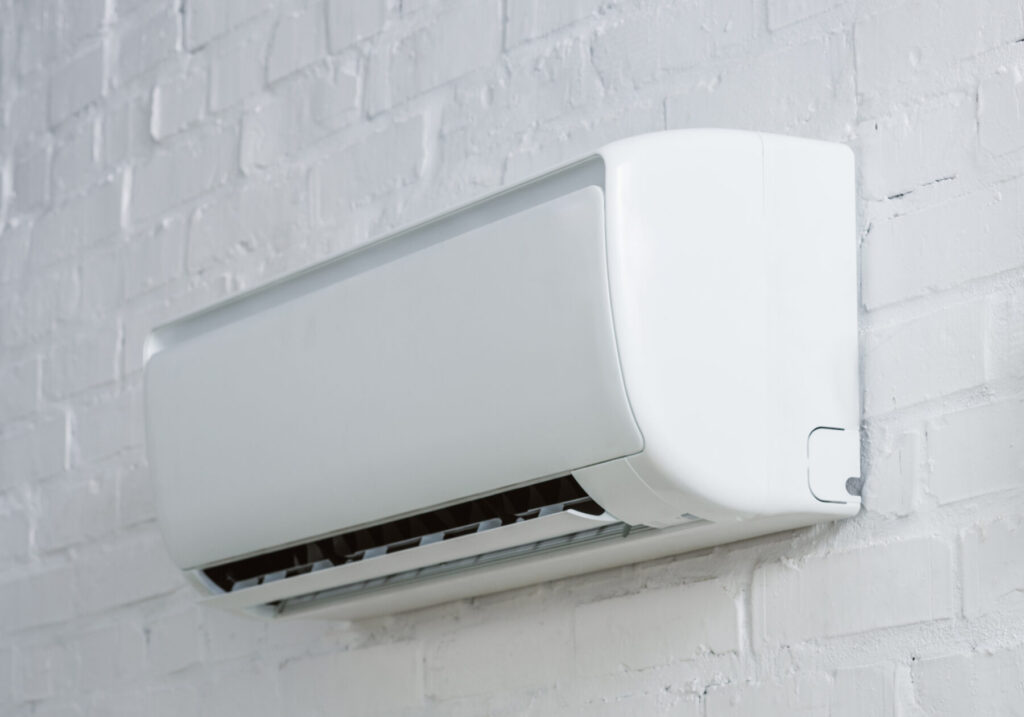
Frozen refrigerant lines look strange in the middle of July, but they are one of the clearest indicators of a low charge. When refrigerant levels drop, the pressure inside the evaporator coil falls too low, and the coil temperature dips below freezing. Moisture from the indoor air then condenses on the coil and freezes solid, eventually creeping out onto the larger copper suction line. You may see a thick layer of frost or even solid ice near the outdoor unit or at the air handler. Shutting the system off and calling a technician is the right move at this point.
Running the AC with a frozen coil causes real damage over time. The compressor can slug liquid refrigerant, which is not designed to be compressed, and that leads to valve damage or a burned out motor. A frozen coil also blocks airflow across the evaporator, so the system cools even less, and the freeze gets worse. Some homeowners try to scrape the ice off, but that risks puncturing the thin aluminum fins and copper tubing. The safe approach is to turn the unit off, let it thaw completely, and schedule a professional inspection.
Once the ice melts, a technician can pressure test the system and locate the leak using electronic detectors, UV dye, or nitrogen. Small pinhole leaks at the evaporator coil, Schrader valves, or line set joints are common culprits. After repair, the system gets pulled into a deep vacuum and recharged to the exact factory specification. This process restores full cooling capacity and prevents future freeze ups. Skipping any of these steps leads to repeat failures within weeks or months.
Hissing or Bubbling Sounds Are a Sign of Low AC Refrigerant
A hissing or bubbling noise near your indoor or outdoor unit often means refrigerant is escaping through a leak. Hissing usually comes from gas escaping a small hole, while bubbling or gurgling can mean liquid refrigerant is moving through a damaged section of line. These sounds are not normal and should never be ignored. Refrigerant leaks are both an equipment problem and an environmental concern, since modern refrigerants like R-410A and R-454B are regulated. The EPA requires certified technicians to handle any repair that involves opening the refrigerant circuit.
Leaks tend to develop in a few predictable places. Formicary corrosion eats tiny pinholes into copper evaporator coils over time, especially in homes with high indoor humidity or chemical off-gassing. Vibration can loosen flare fittings at the outdoor unit, and rubbing against metal cabinets can wear through soft copper lines. Older systems also develop leaks at the reversing valve or service valves. Each leak location requires a different repair method, from brazing to full component replacement.
If you hear hissing near your unit, shut the system off to prevent further refrigerant loss and compressor damage. Even a slow leak will eventually drain the charge to a level where the low pressure switch shuts the unit down. At that point you are looking at a bigger repair bill than if you had called right away. Want to schedule a tune up before small issues turn into big ones? Click here for our air conditioning maintenance service.
What Causes AC Refrigerant to Get Low
Refrigerant does not get used up the way gasoline does in a car. Your AC system is a sealed loop, and the same charge should last the life of the equipment. If the level drops, something has physically failed and allowed refrigerant to escape. Understanding the usual suspects helps you decide when to repair and when to replace. It also helps you judge quotes from different contractors and avoid unnecessary work.
Leaks Are the Main Cause of Low AC Refrigerant
Leaks are the number one reason a residential or commercial AC loses charge. The evaporator coil sits in a damp environment and handles acidic condensate, which slowly corrodes the thin copper tubing. Outdoor condenser coils take a beating from weed trimmers, hail, and curious pets. Line sets that run through attics or crawl spaces can rub against framing and wear through over time. Every one of these failure points creates a path for refrigerant to escape into the atmosphere.
Some leaks are fast and obvious, like a cracked service valve that dumps the full charge in an hour. Others are slow, losing only a few ounces a year, and those are the hardest to find. Technicians use a combination of electronic sniffers, soap bubbles, UV dye, and nitrogen pressure tests to pinpoint the source. Once the leak is located, the repair might be a simple flare nut tightening or a full coil replacement depending on severity. Your technician should always show you the leak and explain the repair before doing any work.
Repairing a leak is almost always better than repeatedly topping off the system. Refrigerant is expensive, especially as older R-22 and even R-410A get phased down under EPA rules. A proper repair also protects the compressor, which relies on returning refrigerant for cooling and lubrication. Low charge operation burns compressor windings and shortens equipment life dramatically. Fixing the leak the first time is the cheapest option over the long run.

Poor Installation Can Cause Low AC Refrigerant
Not every refrigerant problem comes from age or wear; some systems leave the factory fine and then lose charge because of bad installation work. Improperly flared fittings, loose Schrader cores, and untorqued service valves all create slow leaks from day one. A system that was not properly evacuated before charging can also trap moisture inside, which creates acids that eat the copper from the inside out. These problems often show up one to three years after installation, right around the time the original warranty runs out.
Brazing joints is another common failure point in new installs. If a technician brazes without flowing nitrogen through the lines, the inside of the copper forms a black scale called cupric oxide. That scale flakes off and circulates through the system, clogging the metering device and damaging the compressor. Proper installation requires attention to dozens of small details that homeowners never see. This is exactly why licensing, training, and experience matter when choosing an HVAC contractor.
SWVA Mechanical installs every system to manufacturer specification, including nitrogen purging, deep vacuum, and electronic charge verification. We document every step so you have a record of the work. This level of care prevents the kind of callbacks and refrigerant losses that plague bargain installs. If you are considering a new system this spring, click here for our air conditioning installation service. A quality installation pays for itself in reliability and lower operating costs.
Physical Damage to the Outdoor Unit Can Cause Low AC Refrigerant
The outdoor condenser lives a hard life. Lawn mowers throw rocks, tree limbs fall during storms, and Virginia winters bring ice that can crush coil fins. Even a small dent in the right spot can crack a copper U-bend and start a leak. Pets sometimes mark the unit, and the acid in urine corrodes aluminum fins and copper tubing over time. Each of these events can knock the refrigerant charge down slowly or all at once.
Protecting your outdoor unit is mostly about awareness. Keep a two foot clearance around the condenser so air can flow freely and so trimmers stay away from the coil. Cover the top during fall leaf drop if trees hang nearby, but never wrap the whole unit in plastic; trapped moisture causes its own corrosion problems. Check the unit after major storms for visible damage. Early detection of a damaged coil means a smaller repair.
If your condenser has taken a hit, a technician can pressure test the coil and decide between a field repair and a coil swap. Small punctures in straight sections of tubing can sometimes be brazed, but damaged U-bends or header pipes usually call for replacement. Either way, the system needs to be evacuated, repaired, pressure tested, evacuated again, and recharged to factory specification. Skipping steps leads to repeat failures. Proper repair restores the system to like new performance.
Why You Need a Professional to Diagnose Low AC Refrigerant
Refrigerant work is not a DIY project. Federal law requires EPA Section 608 certification to buy or handle refrigerant, and the penalties for illegal venting are steep. Beyond the legal side, accurate diagnosis requires gauges, electronic scales, leak detectors, and training that takes years to build. A professional gets the diagnosis right the first time, protects your equipment, and keeps your family safe from refrigerant exposure. Spring is the ideal time to have your system checked before the cooling season puts it under full load.
A Professional Diagnosis of Low AC Refrigerant Saves You Money
A trained technician can tell the difference between a low refrigerant charge and other issues that mimic the same symptoms. Dirty coils, failed capacitors, blocked filters, and undersized ductwork all cause poor cooling that looks identical to a low charge. Adding refrigerant to a system that is not actually low overcharges the compressor and causes real damage. A proper diagnosis starts with measurements, not assumptions. That is how you avoid paying for repairs you do not need.
Professional diagnosis also catches small problems before they become big ones. A slow leak caught this spring might be a one hour repair with a few ounces of refrigerant. The same leak ignored until August could burn out the compressor and turn into a four figure replacement. Early detection is always cheaper than emergency service. Regular maintenance visits are the best way to catch these issues early.
SWVA Mechanical uses calibrated digital gauges, electronic leak detectors, and manufacturer charging charts on every service call. We document readings so you can see exactly what we found and what we fixed. This transparency is something our Lebanon and Tazewell area customers appreciate. It also builds the long term trust that comes from doing the work right every single time.
A Professional Repair for Low AC Refrigerant Protects Your Equipment
Running an AC with low refrigerant is one of the fastest ways to destroy a compressor. Refrigerant carries oil through the system, and when the charge drops, the oil does not return properly to the compressor. Bearings run dry, windings overheat, and eventually the motor burns up. A compressor replacement on a residential system can run several thousand dollars and often makes more sense to replace the whole unit. Protecting the compressor is the main reason to fix low charge issues quickly.
A professional repair also restores the system to full efficiency. Every ounce off the factory charge costs you cooling capacity and raises your electric bill. Systems running even ten percent low can lose twenty percent or more of their cooling output. Over a full Virginia summer, that adds up to real money. Correct charge means your system works less, costs less to run, and lasts longer.
Our technicians are EPA certified, background checked, and drug tested. We carry the refrigerant, tools, and parts needed to handle most repairs in a single visit. We also stand behind our work with clear warranties on both parts and labor. That combination of skill and accountability is what professional HVAC service should look like.
Why Choose SWVA Mechanical for Your Low AC Refrigerant Repair
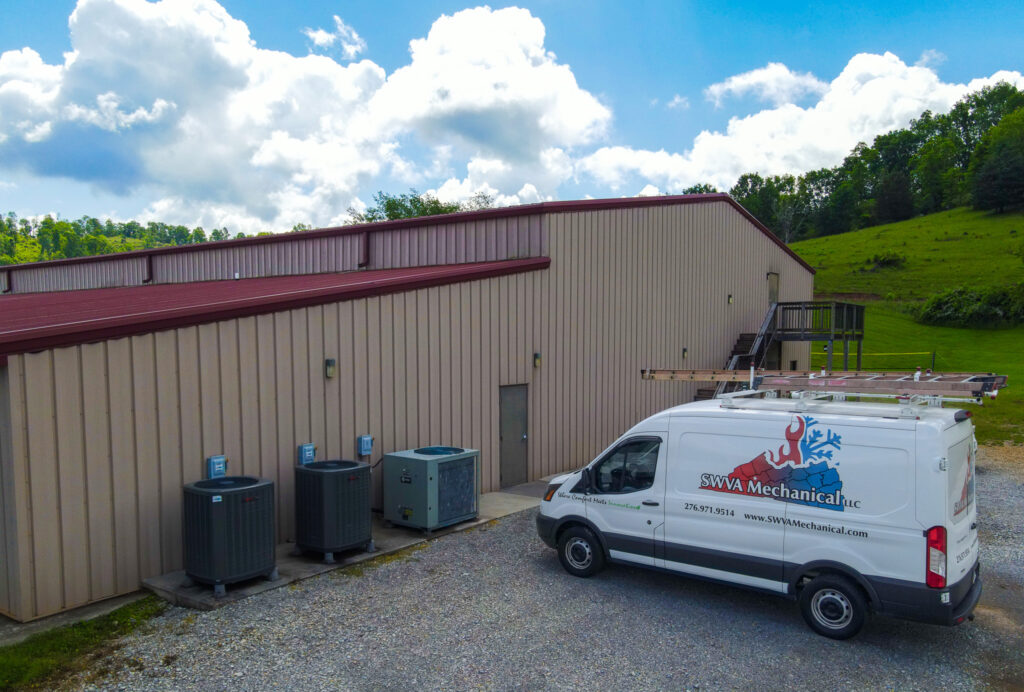
SWVA Mechanical is a locally owned and operated small business serving Lebanon, Abingdon, Bristol, Tazewell, and communities across Southwest Virginia. We bring decades of industry knowledge to every service call, from residential homes to commercial refrigeration accounts. Our technicians are licensed, certified, and continuously trained on the latest equipment and refrigerants. We show up on time, diagnose honestly, and fix the problem right the first time.
We are also a Gree Select Dealer, which means our customers get twice the manufacturer warranty on new Gree installations. That is the kind of value you do not find with national chains or part time contractors. We offer financing through Wisetack and Synchrony, so a surprise repair or system upgrade does not have to wreck your budget. Energy efficient upgrades can also lower your monthly electric bill significantly.
Give us a call at (276) 971-9514 or email Brian@swvamechanical.com to schedule service. We answer the phone, we respect your home, and we treat your system like it is our own. Spring is the perfect time to catch refrigerant issues before summer heat makes them an emergency. Reach out today and keep your AC running strong all season long.