
A heat pump that runs nonstop during winter often signals an underlying issue worth addressing quickly. Southwest Virginia winters bring cold snaps that push heat pumps to work harder, but constant operation usually points to a mechanical problem, refrigerant concern, or sizing mismatch. Homeowners in Lebanon, Abingdon, Tazewell, and across the region frequently notice this issue when January temperatures drop into the teens. Understanding the cause helps you protect your system from premature failure. Constant running drives up electric bills and wears down components faster. A heat pump should cycle on and off throughout the day, not operate as a continuous background hum. Identifying the root cause early can save hundreds of dollars in repairs. SWVA Mechanical sees this problem often during winter service calls across our coverage area.
Common Reasons Your Heat Pump Runs Constantly in Winter
Several factors cause a heat pump to run without stopping during cold months. The most frequent culprits include extreme outdoor temperatures, dirty air filters, low refrigerant charge, faulty thermostats, and frozen outdoor coils. Each of these issues forces the system to work harder to reach the thermostat setting. When the unit cannot pull enough heat from outside air, it runs longer trying to compensate. Auxiliary heat strips may also kick in and stay engaged, adding to the constant operation. Knowing which cause applies to your home helps you take the right next step.
Extreme Cold Weather and Constant Heat Pump Operation
Heat pumps pull warmth from outside air, even when temperatures drop well below freezing. When outdoor temperatures fall below the balance point, usually around 30 to 35 degrees, the unit struggles to extract enough heat. In Southwest Virginia, single-digit mornings force heat pumps to run continuously just to maintain indoor comfort. This is normal behavior during severe cold snaps, especially for older units. The system is doing its job; it just needs more time to meet the thermostat demand. Most modern heat pumps include auxiliary electric heat strips that assist during these extreme periods. You may notice higher electric bills during these weeks as a result.
If your heat pump runs constantly only during the coldest days, the system may simply be undersized for the conditions. Homes with poor insulation or older windows lose heat faster than the unit can replace it. Adding insulation in the attic or sealing air leaks around doors often reduces runtime significantly. Smart thermostats also help by allowing better temperature management throughout the day. Setting the thermostat too high forces the system to chase an unreachable target. Dropping the setting by two or three degrees can give the heat pump a chance to catch up. This small adjustment prevents unnecessary strain on the compressor.
Continuous operation during mild winter weather, however, is not normal and deserves attention. If outdoor temperatures sit in the 40s and your heat pump still runs nonstop, something else is wrong. The balance point should allow regular cycling during moderate cold. A professional diagnostic can measure refrigerant pressure, airflow, and electrical draw to pinpoint the issue. Ignoring the problem typically leads to compressor damage, which is one of the most expensive repairs on any heat pump. Need heat pump repair in Southwest Virginia? Click here for our heat pump repair service. Early diagnosis saves both equipment and money.
Dirty Air Filters Causing Heat Pump to Run Constantly
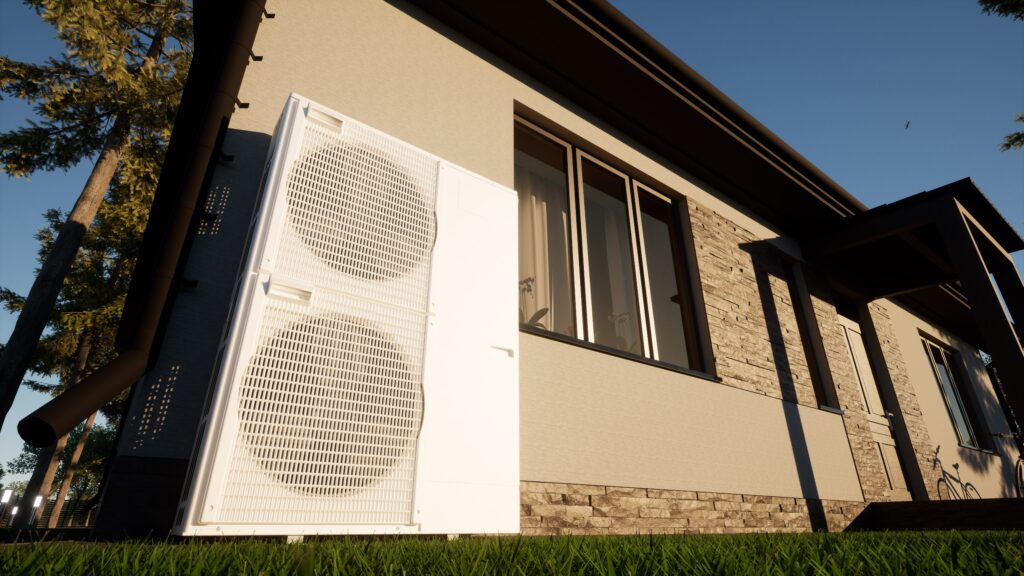
A clogged air filter restricts airflow across the indoor coil, reducing how efficiently the system can distribute heat. When warm air cannot move through the ductwork properly, the thermostat never reaches its setpoint. The heat pump responds by running longer and longer, trying to satisfy the demand. This cycle continues until the filter is replaced or the system overheats and shuts down on safety. Many homeowners forget about filters during winter because the focus shifts away from cooling season. Monthly filter checks prevent this easily avoidable problem.
Dirty filters also cause the indoor coil to collect dust and debris over time. Once the coil fouls, airflow drops even further, creating a compounding issue. The blower motor works harder, drawing more electricity and wearing out faster. In severe cases, restricted airflow causes the outdoor unit to freeze during defrost cycles. This leads to ice buildup that blocks the fan and damages the coil fins. A frozen outdoor unit often signals a filter problem that has gone unaddressed for months. Replacing the filter is the cheapest maintenance task you can do.
Most residential heat pumps use filters ranging from one inch to five inches thick. Thicker media filters last longer but still need inspection every 60 to 90 days. Homes with pets, smokers, or heavy foot traffic need more frequent changes. A pleated filter with a MERV rating between 8 and 11 works well for most Southwest Virginia homes. Higher MERV ratings can actually restrict airflow too much in older systems. If you are unsure which filter fits your equipment, check the existing filter for size markings printed on the frame. Keeping a stack of replacements on hand makes winter maintenance simple and quick.
Low Refrigerant Causing Your Heat Pump to Run Constantly
Refrigerant is the working fluid that moves heat from outside air into your home. When the charge drops below factory specification, the system cannot transfer enough heat to satisfy the thermostat. The unit runs longer and longer, often engaging auxiliary heat strips to make up the difference. Low refrigerant almost always indicates a leak somewhere in the system. Refrigerant does not get used up during normal operation, so any loss points to a problem. Common leak locations include the indoor coil, outdoor coil, line set connections, and service valves.
Signs of low refrigerant during winter include ice forming on the outdoor unit, hissing sounds near the copper lines, and reduced heating output. The compressor may also run hotter than normal, shortening its lifespan. Operating a heat pump with low refrigerant for extended periods can destroy the compressor entirely. Replacing a compressor often costs nearly as much as a new system, making early detection critical. A technician uses pressure gauges and electronic leak detectors to locate the issue. Only EPA-certified technicians can legally handle refrigerant repairs and recharging.
Topping off refrigerant without finding the leak is a temporary fix at best. The refrigerant will escape again within weeks or months, and the problem returns. Proper repair involves finding the leak, fixing it, evacuating the system, and recharging to factory specification. Some leaks in older systems become too numerous or expensive to repair, pointing toward replacement. SWVA Mechanical technicians carry the equipment and certification needed to diagnose refrigerant issues correctly. Need a heat pump tune-up before the next cold snap? Click here for our heat pump maintenance service. Regular maintenance catches small leaks before they become major repairs.
How to Troubleshoot a Heat Pump Running Constantly in Winter
Before calling for service, a few simple checks can rule out easy fixes. Start with the thermostat, air filter, and outdoor unit to identify obvious problems. These steps take only a few minutes and often solve the issue without professional help. If the basic checks do not resolve the constant running, a trained technician should inspect the system. Attempting deeper diagnostics without proper tools or training can make the problem worse. Safety should always come first when working around electrical components.
Checking the Thermostat When Your Heat Pump Runs Constantly
The thermostat controls when the heat pump starts and stops, so settings matter. Verify the thermostat is set to heat mode rather than emergency heat or auxiliary only. Emergency heat mode locks the system into electric strip heating, which runs far more expensive than the heat pump itself. Check the temperature setting and make sure it matches what the household actually needs. Setting the target too high, such as 78 degrees, forces constant operation during cold weather. A reasonable winter setpoint of 68 to 72 degrees allows normal cycling.
Programmable and smart thermostats occasionally lose their programming after power outages. Review the schedule to confirm it reflects current preferences. Dead batteries in the thermostat can also cause erratic signals to the heat pump. Replace batteries annually as part of regular home maintenance. Some older mechanical thermostats develop calibration drift over time, showing incorrect room temperatures. Holding a separate thermometer near the thermostat confirms whether the reading is accurate.
Wiring issues behind the thermostat can also cause the heat pump to run without stopping. A loose or corroded wire may send a constant call for heat even when the room is warm enough. This type of problem requires a technician to diagnose safely. Shutting off power at the breaker before removing the thermostat cover is essential if you want to inspect the wiring yourself. However, most homeowners benefit from letting a professional handle the internal inspection. Thermostat replacement is often inexpensive and solves many constant-running complaints quickly.
Inspecting the Outdoor Unit When Your Heat Pump Runs Constantly
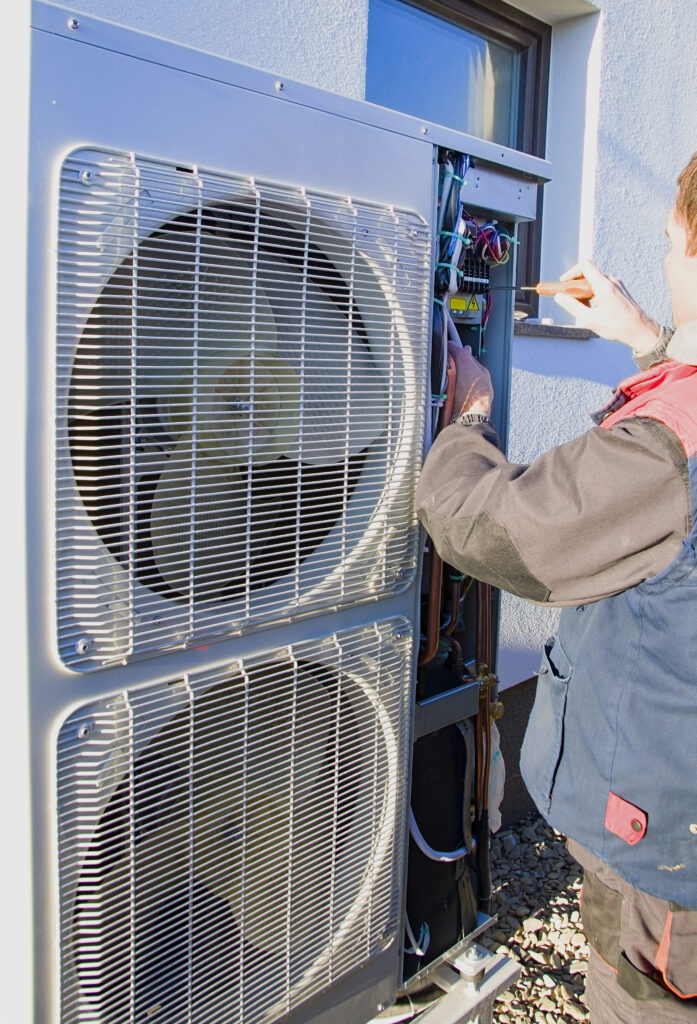
The outdoor unit needs clear airflow to pull heat from winter air. Leaves, grass clippings, snow, and ice can block the coil and fan, forcing longer runtimes. Walk around the unit and remove any debris within two feet of the cabinet. Trim back shrubs or plants that have grown too close during the previous season. Ice buildup on the top or sides of the unit points to a defrost cycle problem. Never chip away ice with tools, as this damages the delicate aluminum fins.
Heat pumps enter a defrost cycle every 30 to 90 minutes during cold weather to clear frost from the outdoor coil. During defrost, the system temporarily switches to cooling mode while electric heat strips warm the indoor air. You may notice steam rising from the outdoor unit, which is completely normal. If the defrost cycle fails or runs too often, ice accumulates and reduces heating capacity. A stuck reversing valve, failed defrost board, or bad sensor can all cause this issue. Only a technician with proper diagnostic tools can identify the specific failure.
Listen for unusual sounds coming from the outdoor unit while it operates. Grinding, screeching, or loud humming often indicates bearing failure, motor issues, or electrical problems. A fan that spins slowly or not at all reduces airflow dramatically and forces constant operation. Dirty coils covered in winter dust and debris also reduce heat transfer significantly. Professional coil cleaning restores efficiency and often resolves constant-running complaints. Regular maintenance visits include outdoor unit inspection as part of the service. Preventive care costs far less than emergency repairs during a January cold snap.

Why You Need Professional Heat Pump Service in Southwest Virginia
A heat pump running constantly in winter is a warning sign that should not be ignored. Waiting too long to address the problem risks compressor failure, which can cost thousands to repair. Professional service identifies the exact cause and fixes it before the system suffers permanent damage. SWVA Mechanical has served Southwest Virginia homeowners for years with reliable, honest HVAC work. Our technicians are licensed, certified, background checked, and drug tested for your peace of mind. We offer financing through Wisetack and Synchrony for major repairs and installations.
Expert Heat Pump Repair in Southwest Virginia
Our technicians bring decades of combined experience to every heat pump service call. We diagnose constant-running issues using advanced tools including refrigerant gauges, airflow meters, and electrical testers. Each repair includes a thorough system check to catch related problems before they become emergencies. We carry common parts on our trucks to complete many repairs during the first visit. This approach saves homeowners time and reduces the chance of extended downtime during cold weather. Fast, accurate repair keeps your family comfortable through the worst winter days.
We service all major heat pump brands including Gree, Trane, Carrier, Lennox, Goodman, and Rheem. As a Gree Select Dealer, we offer twice the warranty on qualifying Gree systems for added protection. Our service area covers Lebanon, Abingdon, Bristol, Tazewell, Norton, Wise, and surrounding communities. Same-day service is often available for urgent winter breakdowns. Transparent pricing means no surprises when the repair is complete. We explain every issue clearly so you understand what caused the problem.
Ignoring a heat pump problem rarely saves money in the long run. Small issues like dirty coils or worn capacitors grow into larger failures that damage expensive components. Professional repair addresses the root cause rather than just the symptom. Our technicians also recommend upgrades and maintenance plans that extend equipment life. Energy-efficient HVAC upgrades often qualify for financing that keeps monthly costs manageable. Call today to schedule diagnostic service before a small issue becomes a cold-night emergency.
Professional Heat Pump Maintenance in Southwest Virginia
Annual maintenance prevents most winter heat pump problems before they happen. Our maintenance service includes coil cleaning, refrigerant pressure checks, electrical connection tightening, and filter inspection. Technicians also test defrost cycles, reversing valves, and auxiliary heat operation during the visit. Catching small problems early keeps systems running efficiently through the coldest months. Maintenance customers enjoy priority scheduling when emergencies do occur. Well-maintained heat pumps last years longer than neglected systems.
Fall is the ideal time to schedule heat pump maintenance for the winter season ahead. A pre-season tune-up ensures the system is ready when temperatures drop. We inspect safety controls, test airflow, and verify proper operation under load. Any needed repairs can be handled before the first cold snap hits Southwest Virginia. This proactive approach prevents the stress of a failed heat pump on the coldest night of the year. Maintenance also keeps warranties valid on newer equipment.
SWVA Mechanical offers flexible maintenance plans that fit household budgets. Regular service pays for itself through lower energy bills and fewer repair calls. Our plans include reminders so you never miss a scheduled visit. Technicians document all work and provide clear reports on system condition. Need ongoing protection for your heat pump? Click here for our heat pump maintenance service. Consistent care is the best investment in home comfort.
Why Choose SWVA Mechanical for Heat Pump Service
SWVA Mechanical is a locally owned and operated small business serving Southwest Virginia with pride. We understand the unique demands of mountain winters and build our service around local conditions. Every technician is licensed, certified, background checked, and drug tested before stepping onto your property. This commitment to professionalism protects both our customers and our reputation. We treat every home like it belongs to family because our neighbors are our customers.
Our team brings decades of industry knowledge to residential and commercial work. We handle HVAC, refrigeration, and generator installations across the region with the same attention to detail. Energy-efficient upgrades save homeowners money on monthly utility bills for years to come. Financing through Wisetack and Synchrony makes major work affordable for most budgets. We earn repeat business through honest recommendations and quality workmanship.
Call SWVA Mechanical at (276) 971-9514 to schedule heat pump service today. Our office at 72 West Main St in Lebanon serves customers across Southwest Virginia with fast response times. Email Brian@swvamechanical.com for non-urgent questions or quote requests. Whether you need a quick repair or a full system replacement, our team is ready to help. Reliable heat through the winter starts with a phone call to the team that locals trust.