
Indoor air quality drops significantly during winter months when homes stay sealed against the cold. Dust, pet dander, and chemical pollutants build up inside without fresh outdoor airflow to dilute them. Your heating system circulates these contaminants through every room in the house. Poor winter air can trigger allergies, worsen asthma, and cause headaches or fatigue. The good news is that several proven strategies can transform your home’s air in a matter of days. SWVA Mechanical helps homeowners across Southwest Virginia breathe easier all winter long. This guide walks you through the most effective ways to clean up your indoor air this season.
Why Indoor Air Quality Suffers the Most During Winter
Winter creates the perfect storm for indoor air pollution in homes across Lebanon, VA and surrounding areas. Closed windows trap moisture, dust, and volatile organic compounds that would otherwise escape outside. Heating systems kick on constantly, stirring up allergens that have settled on surfaces. Dry winter air also makes respiratory symptoms feel worse. Many homeowners notice more coughing, congestion, and skin irritation once the furnace starts running regularly. Understanding the root causes helps you fix the problem at its source.
Why Winter Heating Systems Reduce Indoor Air Quality
Your furnace or heat pump pulls air from every corner of your home and redistributes it through the ductwork. Dust, pet hair, and microscopic particles get picked up in this cycle and spread through every room. A dirty air filter makes this problem much worse because contaminants pass straight through instead of being captured. Many homes also have duct systems that have not been inspected in years, meaning built-up debris blows into living spaces every time the heat runs. Gas furnaces can release small amounts of combustion byproducts if they are not maintained properly. Heat pumps running constantly in cold weather also circulate more air per day than cooling systems do in summer. The result is higher exposure to whatever is floating around inside your home.
Homes built after 1990 tend to have tighter construction and better insulation, which is great for energy bills but terrible for ventilation. Older homes in Russell County often have drafty spots that allow some natural air exchange, though this comes with higher heating costs. Either way, winter sealing reduces the turnover of fresh air dramatically. Pollutants that might clear out in a few hours during summer can linger for days in winter. Cooking fumes, cleaning products, and off-gassing from furniture all accumulate faster. This buildup is measurable and can be three to five times higher than outdoor pollution levels.
Humidity plays a major role in how your heating system affects air quality. Cold outdoor air holds very little moisture, so when it gets heated indoors, the relative humidity drops sharply. Dry air irritates nasal passages and makes you more susceptible to viruses and bacteria. It also causes wood furniture, floors, and trim to crack. On the flip side, too much humidity from cooking or showers can create condensation and mold growth. Balancing moisture levels is essential for healthy winter air.
Why Winter Activities Pollute Indoor Air Quality
Cooking is one of the biggest sources of indoor air pollution during winter holidays and family gatherings. Frying, roasting, and baking release fine particles, grease, and combustion gases into the air. Gas stoves produce nitrogen dioxide, which can reach unhealthy levels in poorly ventilated kitchens. Without open windows to clear the air, these pollutants spread through the whole house. Running the range hood makes a big difference, but many homeowners forget to use it. The particles from cooking can stay suspended in the air for hours.
Fireplaces and wood stoves add another layer of concern for families in Southwest Virginia. Wood smoke contains fine particulate matter that penetrates deep into lung tissue. Even well-maintained chimneys let some smoke back into the home during use. Candles, incense, and air fresheners also release chemicals that many people do not think twice about. Scented products can contain dozens of volatile organic compounds. Using fewer of these products improves air quality faster than almost any other change.
Holiday decorations and stored items brought out for winter often carry dust, mold spores, and musty odors from attics or basements. Christmas trees, both real and artificial, can trigger allergic reactions in sensitive family members. Pet dander increases during winter because animals spend more time indoors and shed heavier coats. Dust mites thrive in heated homes with moderate humidity. All of these factors combine to create a heavier pollutant load than most homes experience during warmer months. Recognizing these sources is the first step toward fixing them.
Practical Steps to Improve Indoor Air Quality Through HVAC Upgrades
Your heating system is the most powerful tool you have for controlling indoor air quality during winter. Small changes to how it operates can dramatically reduce airborne particles, balance humidity, and remove contaminants. Professional upgrades like whole-home air purifiers and advanced filtration pay for themselves through better health and lower repair costs. Regular maintenance also keeps your system running cleanly and efficiently. Homeowners who invest in air quality improvements usually notice changes within the first week. Need furnace maintenance before winter hits hard? Click here to schedule service with our team.
HVAC Upgrades That Improve Indoor Air Quality Fast
Upgrading your air filter is the simplest and cheapest way to improve indoor air quality this winter. Standard fiberglass filters only catch large particles and let dust, pollen, and bacteria pass through. A pleated MERV 11 or MERV 13 filter captures much smaller particles without restricting airflow too much. Replace filters every 30 to 90 days depending on household factors like pets, smokers, and family size. Check your filter monthly during heavy heating months because dirty filters strain your system and reduce air quality. A clogged filter forces your furnace to work harder, raising energy bills and shortening equipment life. Choosing the right filter size and rating makes a measurable difference within days.
Whole-home air purifiers mount directly to your ductwork and treat all the air moving through your HVAC system. UV light purifiers kill mold, bacteria, and viruses as air passes the bulb inside the air handler. Electronic air cleaners use charged plates to capture particles down to 0.3 microns in size. HEPA bypass systems filter a portion of your home’s air through hospital-grade media. These options work far better than portable room purifiers because they clean every room at once. Installation typically takes a few hours and the systems run quietly in the background.
Humidity control devices solve the dry air problem that plagues most winter homes. A whole-home humidifier connects to your HVAC system and maintains ideal moisture levels between 30 and 50 percent. This range keeps respiratory passages comfortable without encouraging mold growth. Smart humidistats adjust automatically based on outdoor temperature to prevent window condensation. Dehumidifiers handle the opposite problem in basements and crawl spaces that stay damp year-round. Proper humidity also makes your home feel warmer at lower thermostat settings, saving money on heating bills. Balanced moisture is one of the most overlooked components of winter comfort.

HVAC Maintenance That Protects Indoor Air Quality All Winter
Annual heating system maintenance catches small problems before they contaminate your indoor air. A trained technician inspects the heat exchanger for cracks that could leak carbon monoxide into your home. Burner assemblies get cleaned to ensure complete combustion and reduce soot production. Blower wheels often accumulate thick layers of dust that fling into the air every time the system runs. Cleaning these components restores airflow and removes a hidden source of contamination. Professional tune-ups also verify that safety controls are working correctly. Most manufacturers require annual service to maintain warranty coverage on newer systems.
Duct cleaning removes years of accumulated debris from the pathways that carry heated air into your rooms. Dust, pet hair, construction dust, and even rodent droppings can build up inside ductwork over time. Every time your heat turns on, some of this material gets pushed into living spaces. Professional duct cleaning uses high-powered equipment to dislodge and vacuum out contaminants. Homes with pets, smokers, or recent renovations benefit the most from this service. Sealing leaky duct joints also prevents unconditioned air from pulling in attic and crawl space contaminants.
Heat pump owners need to keep outdoor units clear of ice, leaves, and debris that can block airflow. A blocked outdoor coil forces the system to work harder and can introduce unusual odors into the home. Indoor air handlers also need coil cleaning to prevent mold growth on wet evaporator surfaces. Drain pans and condensate lines should be flushed to stop bacterial buildup. Ready to book a tune-up? Click here for our heat pump maintenance service to keep your system clean and efficient. Regular professional care extends equipment life and protects the air your family breathes.
Why You Need Professional HVAC Service for Healthy Winter Air
Professional HVAC service addresses the root causes of poor winter air quality in ways that DIY efforts simply cannot match. Trained technicians have the tools to measure airflow, detect combustion issues, and identify hidden sources of contamination. They also install advanced filtration and purification equipment correctly the first time. SWVA Mechanical has served homeowners across Southwest Virginia for years with a focus on honest, quality work. Our team lives in the communities we serve and takes pride in helping neighbors stay healthy and comfortable.
Why You Need Professional Air Quality Assessment This Winter
A professional air quality assessment identifies specific problems in your home that generic advice cannot address. Technicians check your system’s static pressure to see if airflow is restricted anywhere in the ductwork. They also test for carbon monoxide, measure humidity levels, and inspect filtration effectiveness. This diagnostic approach reveals issues you would never notice on your own. Many homeowners discover that their existing equipment is capable of much better performance with minor adjustments. Getting a professional opinion saves money by targeting the real problems.
Your home’s unique layout, construction, and family needs all affect which air quality solutions will work best. A small home with no pets needs different upgrades than a large home with multiple animals. Technicians consider all these factors when recommending filters, purifiers, and humidity controls. They also understand how each piece of equipment interacts with your existing HVAC system. Proper sizing and matching prevents wasted money on products that do not fit your situation. Customized advice always outperforms one-size-fits-all solutions.
Assessments also catch safety issues that could harm your family during winter. Cracked heat exchangers, improper venting, and failing sensors all pose serious risks. Professional technicians have the training and equipment to spot these problems before they become emergencies. Early detection prevents carbon monoxide exposure and costly breakdowns during the coldest nights. An assessment is a small investment that protects both health and home.
Why You Need Professional Installation of Air Quality Equipment
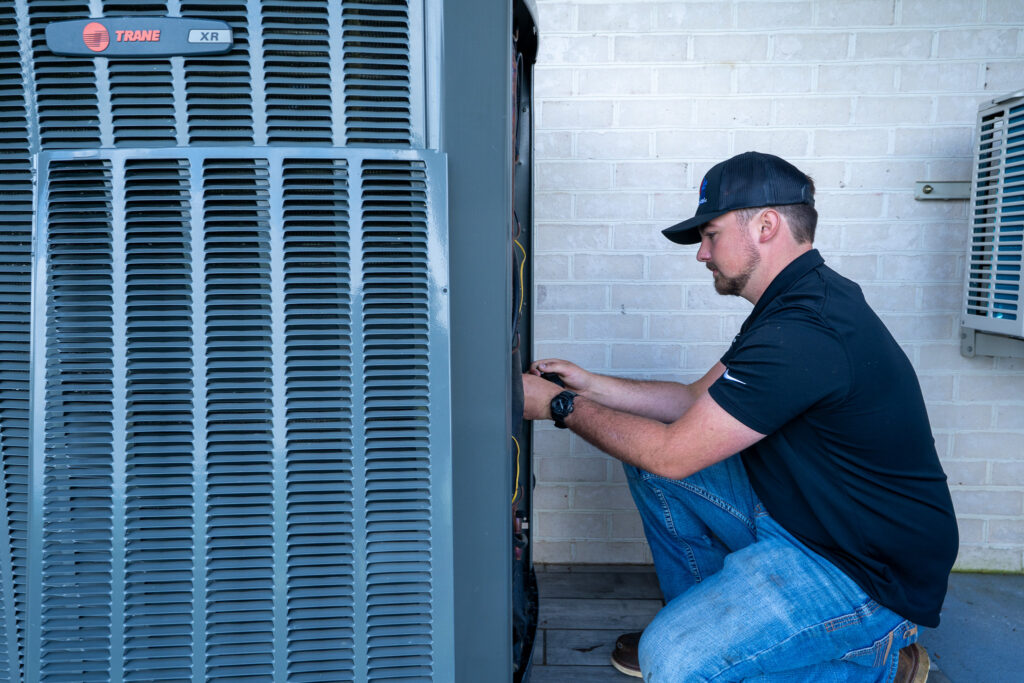
Installing air purifiers, humidifiers, and advanced filtration requires precise knowledge of HVAC systems. Poorly installed equipment can restrict airflow, damage your furnace, or fail to deliver promised results. Professional installation ensures components work together without straining your existing system. Technicians also know local building codes and manufacturer requirements that affect warranty coverage. Cutting corners on installation often costs more in repairs and replacements down the road.
Proper sizing matters as much as proper installation for indoor air quality equipment. A humidifier too small for your home will never reach healthy moisture levels. An oversized unit can cause condensation problems and mold growth. Trained technicians calculate the right capacity based on square footage, climate, and existing ventilation. They also position equipment where it can do the most good without creating noise or maintenance headaches. Getting these details right from the start prevents ongoing frustration.
Want to upgrade your heating system for better air quality? Click here for our furnace installation service. Modern high-efficiency furnaces include features that directly improve indoor air quality. Variable-speed blowers provide consistent filtration without temperature swings. Sealed combustion designs prevent backdrafting of exhaust gases into living spaces. Our team handles every installation with attention to the details that affect long-term performance.
Why Choose SWVA Mechanical for Indoor Air Quality Solutions
SWVA Mechanical brings decades of industry knowledge to every home we service across Southwest Virginia. Our technicians are licensed, certified, background checked, and drug tested for your peace of mind. We understand the unique challenges that winter presents for homes in Lebanon, Abingdon, Bristol, and surrounding areas. Our team recommends practical solutions that match your budget and goals. No upselling, no pressure, just honest advice from neighbors who care about your comfort.
As a locally owned and operated small business, we treat every customer like family. Our Gree Select Dealer status means Gree system owners receive twice the standard warranty coverage on qualifying equipment. We also offer flexible financing through Wisetack and Synchrony to make air quality upgrades affordable. Energy-efficient improvements pay for themselves through lower utility bills and fewer repairs. Our focus on quality installation means equipment lasts longer and performs better.
Call SWVA Mechanical today at (276) 971-9514 to schedule your indoor air quality consultation. We serve homes throughout Russell County and beyond with prompt, reliable service. Our technicians arrive on time, explain every recommendation clearly, and respect your home while they work. Breathing clean air this winter is easier than you think with the right team on your side. Let us help you create a healthier, more comfortable home this heating season.