
Summer storms in Southwest Virginia bring more than just heavy rain and loud thunder. The outdoor condenser unit that powers your air conditioning system sits exposed to every gust, every lightning strike, and every piece of flying debris that comes with severe weather. Many homeowners never think about their condenser until it stops cooling the house, and by then the damage has already been done. Storms stress the electrical components, the fins, the fan motor, and the refrigerant lines in ways that add up over time. Understanding what actually happens during a storm helps you protect your system and spot problems early. This guide walks through the real risks and what you can do about them before, during, and after a storm rolls through.
How Summer Storms Damage Outdoor Condenser Units
Outdoor condenser units handle weather every day, but summer storms push them past normal operating conditions. High winds, hail, lightning, and sudden power surges all attack different parts of the unit at the same time. The result is wear that shortens the lifespan of your air conditioner and drives up repair costs. Homeowners in Lebanon, Abingdon, Bristol, and across the region see the same patterns every summer. The good news is that most storm damage is preventable with the right knowledge and a solid maintenance plan.
Wind and Debris Damage to Outdoor Condenser Units
Strong summer winds pick up branches, leaves, gravel, and loose outdoor items and throw them directly at your condenser unit. The aluminum fins on the side of the unit are thin and bend easily on impact. Once those fins are crushed or folded over, airflow through the coil drops, and the system has to work harder to cool your home. That extra strain raises energy bills and puts pressure on the compressor, which is the most expensive part to replace. Even small dents in the fins add up over multiple storms across a single summer.
Debris does not stop at the fins. Twigs, mulch, and grass clippings get sucked into the fan area and can jam the blades or damage the motor. A bent fan blade throws off the balance of the entire assembly, which creates vibration that loosens electrical connections and wears out bearings faster. In worst cases, a large branch can crack the outer cabinet or break the top grille entirely. Our technicians in Southwest Virginia see this kind of damage constantly after strong summer fronts move through.
The location of your unit matters more than most people realize. Condensers placed near large trees, fence lines, or open fields catch more debris during storms. Keeping a three-foot clearance around the unit and trimming back branches before storm season helps a great deal. Need help checking your system after a storm? Click here for our air conditioning repair service. A quick inspection after heavy weather catches small problems before they turn into compressor failures.
Lightning and Power Surge Damage to Outdoor Condenser Units
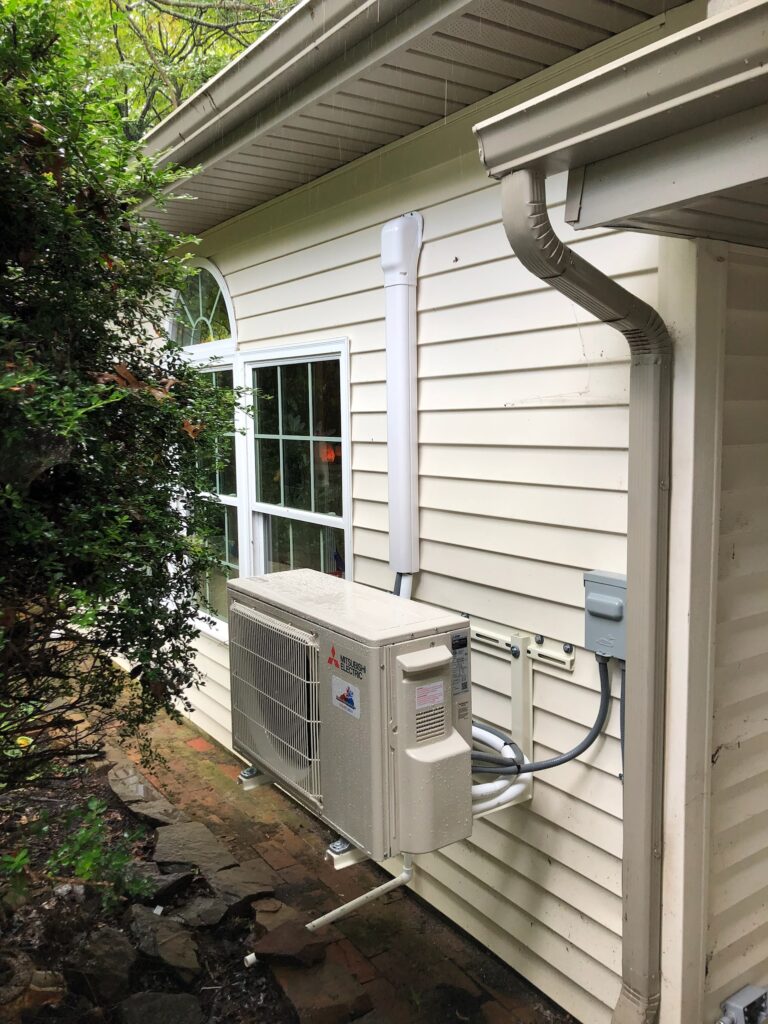
Lightning strikes do not have to hit your house directly to damage your condenser unit. A strike half a mile away can send a surge through the power grid that travels into your HVAC system in milliseconds. That surge burns out capacitors, control boards, contactors, and sometimes the compressor motor itself. Capacitors are especially vulnerable because they store and release electrical energy constantly during normal operation. A damaged capacitor often shows up as a unit that hums but will not start, or one that short-cycles over and over.
Power surges also come from utility switching, downed lines, and restored power after an outage. When the electricity comes back on, the spike can be just as damaging as the original outage. Modern condenser units use sensitive electronic controls that react poorly to voltage irregularities. Older systems were simpler and more tolerant of surges, which is why newer high-efficiency units need extra protection. A whole-house surge protector installed at the electrical panel is one of the smartest investments a homeowner can make.
Generator-equipped homes have an added layer of protection during outages, but the transfer process still needs to be clean. A properly installed generator with a quality transfer switch keeps the condenser safe during the switch between utility and backup power. Interested in protecting your entire home from power problems? Click here for our Generac generator installation service. Pairing a surge protector with a reliable generator setup gives your HVAC system the best chance of surviving severe summer weather.
Flooding and Water Damage to Outdoor Condenser Units
Heavy summer rain causes flooding that reaches the base of outdoor condenser units, especially in low-lying yards or near downspouts. The unit is built to handle rain falling on it, but it is not built to sit in standing water. When water rises above the base pan, it reaches the electrical components, the contactor, and the wiring connections. Moisture in those areas causes corrosion, short circuits, and ground faults that trip the breaker repeatedly. Some units also draw water into the compressor terminals, which is a serious and expensive failure.
Saturated ground around the condenser creates a second problem that shows up weeks later. The unit can settle unevenly as the soil shifts, which stresses the refrigerant lines running into the house. Small leaks develop at the connections, and refrigerant charge drops gradually over the rest of the season. Low refrigerant forces the compressor to run longer and hotter, and eventually the system fails to cool on the hottest days of the year. Proper pad installation and good drainage around the unit prevent most of these settling issues.
Pooling water also attracts pests looking for shelter, and small animals often nest inside the cabinet when it dries out. Wiring chewed by mice or insects causes intermittent failures that are tough to diagnose without a trained eye. After any heavy storm, walk around your unit and check for standing water, shifted soil, or any signs that animals have gotten inside. A yearly tune-up catches these issues early and keeps the system running through the hottest part of summer.
How to Protect Your Outdoor Condenser Unit From Summer Storms
Protecting your outdoor condenser unit starts before the first storm of the season arrives. A few simple steps in late spring and early summer prevent most of the damage homeowners see each year. Regular maintenance, smart landscaping, and proper electrical protection work together to keep the system safe. Our team at SWVA Mechanical helps homeowners across Tazewell, Wise, Russell, and Washington counties get their systems storm-ready every year. The effort pays off in lower repair bills, longer equipment life, and better cooling during the hottest months.
Pre-Storm Preparation for Outdoor Condenser Units
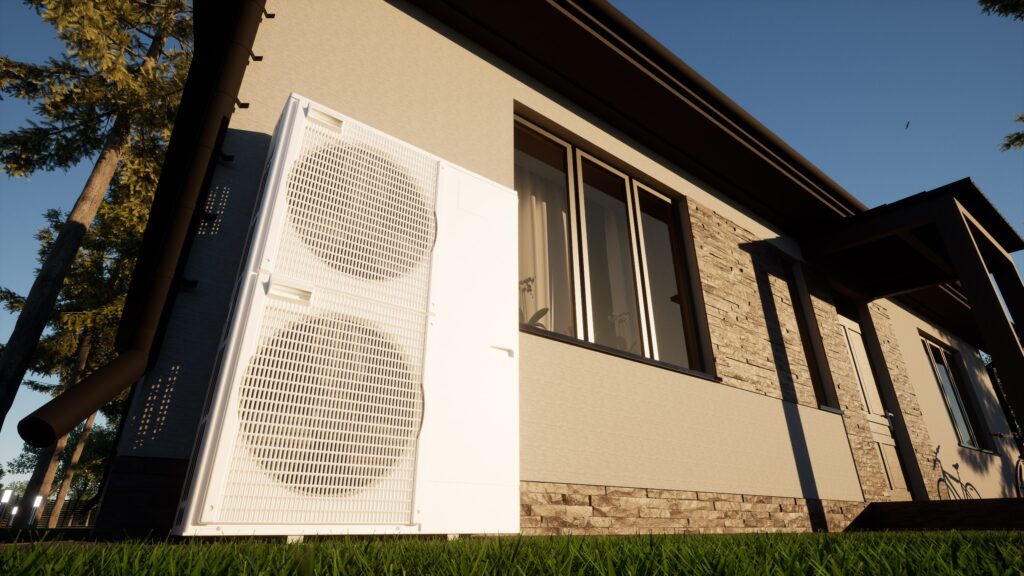
Start the season with a full inspection of the area around your condenser unit. Clear away leaves, grass clippings, mulch, and any loose items that could become projectiles in high winds. Trim back tree branches that hang over or near the unit, aiming for at least three to five feet of clearance above the top. Check the condenser pad to make sure it is level and sitting firmly on stable ground. A unit that already leans slightly will shift more during heavy rain and wind, which stresses the refrigerant lines.
Check the electrical disconnect box mounted on the wall near the unit. Make sure the cover is tight, the seal around the conduit is intact, and no wasps or hornets have built nests inside. A simple visual inspection of the wiring at the service panel tells you a lot about the condition of the unit. Look for signs of rust, discoloration, or melted insulation, which all point to electrical problems that need attention. If anything looks off, shut down the breaker and call a licensed technician before the next storm.
Schedule a professional tune-up before peak storm season hits. A trained technician cleans the coils, checks refrigerant pressure, tests the capacitor, and tightens all electrical connections. These steps make the unit more resistant to storm stress because every component is operating at peak condition. Weak capacitors, loose wires, and dirty coils all fail faster when a storm adds extra load. Want to schedule a tune-up before the next big storm? Click here for our air conditioning maintenance service. Annual maintenance pays for itself the first time it prevents a storm-related breakdown.
Surge Protection and Electrical Safety for Outdoor Condenser Units
A whole-house surge protector is the single best defense against lightning and power grid surges. The device installs at the main electrical panel and blocks voltage spikes before they reach any appliance in the house, including the condenser unit. Point-of-use surge protectors at the HVAC disconnect add a second layer of defense for the outdoor unit specifically. Together, these two devices block the vast majority of surges that damage HVAC equipment. The cost is small compared to replacing a compressor or control board.
During active storms, many homeowners turn off the thermostat or shut the breaker to the condenser unit. This step prevents the system from running during the worst part of the storm and reduces the chance of a surge finding a path through the system. Just remember to turn the system back on after the weather clears. Running the air conditioner during a thunderstorm with active lightning in the area is one of the easier ways to lose a capacitor or control board. Taking a few minutes to shut down manually saves real money.
Ground fault issues are another common result of summer storms, and they often go unnoticed until the system trips a breaker. A breaker that keeps tripping after a storm is a clear sign that water or damaged wiring is causing a fault somewhere in the system. Do not reset the breaker over and over, because that can make the damage worse. Call a professional to diagnose the problem before turning the system back on. Our technicians have the meters and training to track down electrical faults safely and quickly.
Post-Storm Inspection of Outdoor Condenser Units
After any major summer storm, take a walk around your condenser unit before starting the system again. Look at the fins on all four sides for bending or crushing from flying debris. Check the top grille and fan area for branches, leaves, or damage to the blades. Listen for any unusual sounds when the system starts up, such as grinding, rattling, or a loud hum without the fan turning. Any of these signs means the system needs professional attention before it runs for long periods.
Feel the air coming out of your supply vents inside the house about ten minutes after the system starts. If the air is warm or only slightly cool, the condenser may have lost refrigerant or suffered internal damage during the storm. Check the breaker panel for any tripped breakers related to the HVAC system. Look at the outdoor unit for ice buildup on the refrigerant lines, which points to low refrigerant or airflow problems. Document anything unusual with photos, especially if you plan to file an insurance claim.
Major storms sometimes cause damage that is not obvious from the outside. Hail can dent the coil fins so slightly that you have to look closely to see it, but the airflow restriction still reduces efficiency. Lightning damage often leaves no visible marks but shows up as electrical problems days or weeks later. A professional post-storm inspection catches the hidden damage before it becomes a bigger failure. Scheduling an inspection after any severe weather event is one of the smartest moves a homeowner can make.
Why You Need Professional HVAC Storm Protection in Southwest Virginia
Summer storms in the mountains of Southwest Virginia are unpredictable and often severe. A single storm can drop inches of rain, bring 60 mph winds, and pepper your property with hail in under an hour. Protecting your HVAC investment requires more than just hoping for the best. SWVA Mechanical offers the experience, equipment, and response time that homeowners in the area count on year after year. Working with a local team means faster service, honest assessments, and solutions built for the weather patterns we actually face.
The Value of Professional HVAC Storm Protection
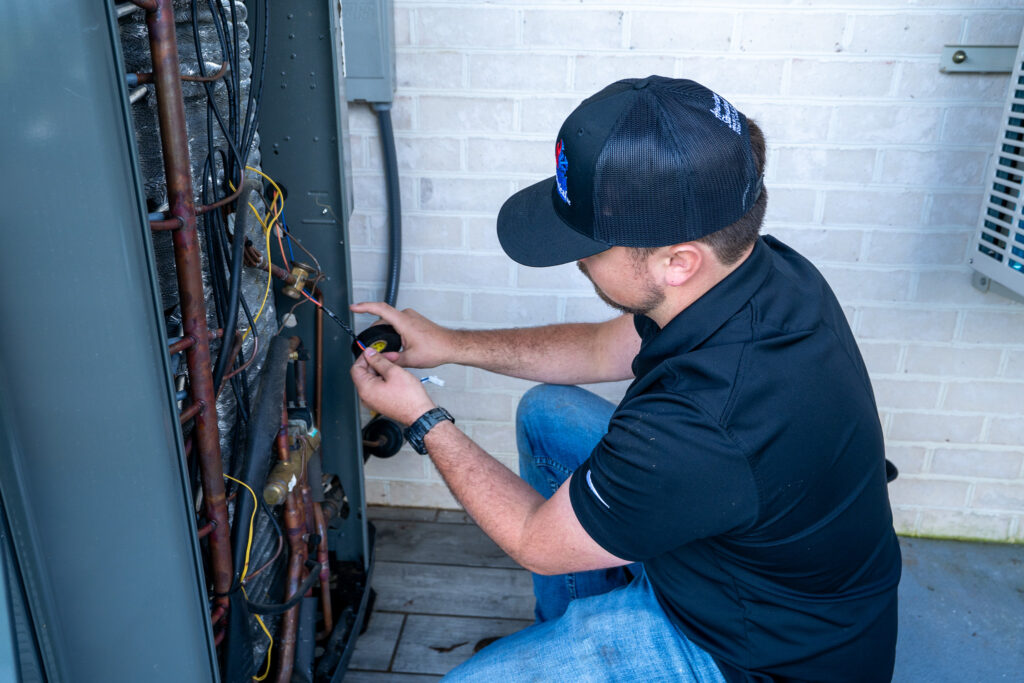
A professional maintenance plan catches small issues long before they turn into storm-related breakdowns. Licensed technicians spot weak capacitors, corroded contacts, and worn fan bearings during routine service. Fixing those items in advance makes the system far more resistant to the electrical and mechanical stress that storms cause. The cost of regular maintenance is a fraction of what a compressor replacement runs. Homeowners who skip maintenance often pay the price during the first major storm of the summer.
Professional service also includes proper documentation for insurance purposes. When a storm does cause damage, having records of recent service, system condition, and installation details makes the claims process much smoother. Our team provides detailed service reports that homeowners can share with their insurance carriers when needed. That paperwork can mean the difference between a covered claim and a denied one. Keeping copies of your HVAC service history is always a good idea.
Energy efficiency is another benefit of professional storm protection. A well-maintained system uses less electricity, which lowers the load on the electrical system during peak demand. That reduced load means less heat buildup in the wiring, less stress on the compressor, and better tolerance for voltage fluctuations. Efficient systems also cool the home faster, so the unit spends less time running during storm-prone afternoons. Small efficiency gains add up to real savings over the course of a Southwest Virginia summer.
Emergency HVAC Storm Protection and Repair Services
Storms do not always hit during business hours, and an air conditioning failure during a summer heatwave is a real emergency. SWVA Mechanical offers prompt service response because we understand the urgency. A home without cooling becomes dangerous quickly for elderly residents, young children, and anyone with health conditions. Our technicians are trained to diagnose storm damage accurately on the first visit and carry common replacement parts on their trucks. That combination gets your system back online faster than most competitors can manage.
Storm-related repairs often involve multiple issues at once, which takes experience to sort out properly. A unit that will not start after a storm might have a blown capacitor, a tripped breaker, a damaged contactor, or all three. Diagnosing the full scope of the damage prevents repeat service calls and makes sure the system runs reliably after the repair. Our licensed and certified technicians have the training to handle complex storm damage correctly. We also check every related component to make sure no hidden problems are lurking.
Some storm damage requires full system replacement, especially when lightning strikes the unit directly. In those cases, we walk homeowners through their options, including energy-efficient upgrades that qualify for rebates and financing. Financing through Wisetack and Synchrony makes replacement manageable even in an emergency situation. A new high-efficiency system often pays for itself in lower utility bills within a few years. Our team handles every step from removal to installation to final testing.
Why Choose SWVA Mechanical for HVAC Storm Protection
SWVA Mechanical is a locally owned and operated small business based right here in Lebanon, Virginia. We know the weather, the terrain, and the homes across Southwest Virginia because we live and work in the same communities. Every technician on our team is licensed, certified, background checked, and drug tested for your peace of mind. Decades of industry knowledge back up every service call and every recommendation. That experience shows in the quality of our work and the trust our customers place in us year after year.
We are a Gree Select Dealer, which means customers who choose Gree equipment through us receive twice the standard warranty. That extra coverage matters a great deal when storms can cause unexpected damage. We also offer energy-efficient HVAC upgrades that help homeowners save money on their monthly utility bills. Pairing efficient equipment with strong warranties and local service creates real long-term value. Our goal is to build lasting relationships with our customers across the region.
Prompt, professional HVAC service is what we deliver on every call. From routine maintenance to major storm damage repair, our team treats every home with the care and respect it deserves. Call SWVA Mechanical at (276) 971-9514 to schedule service or to ask about storm preparation for your system. You can also reach us by email at Brian@swvamechanical.com or visit us at 72 West Main St, Lebanon, VA 24266. When summer storms threaten your home and your HVAC system, we are the team to call.