
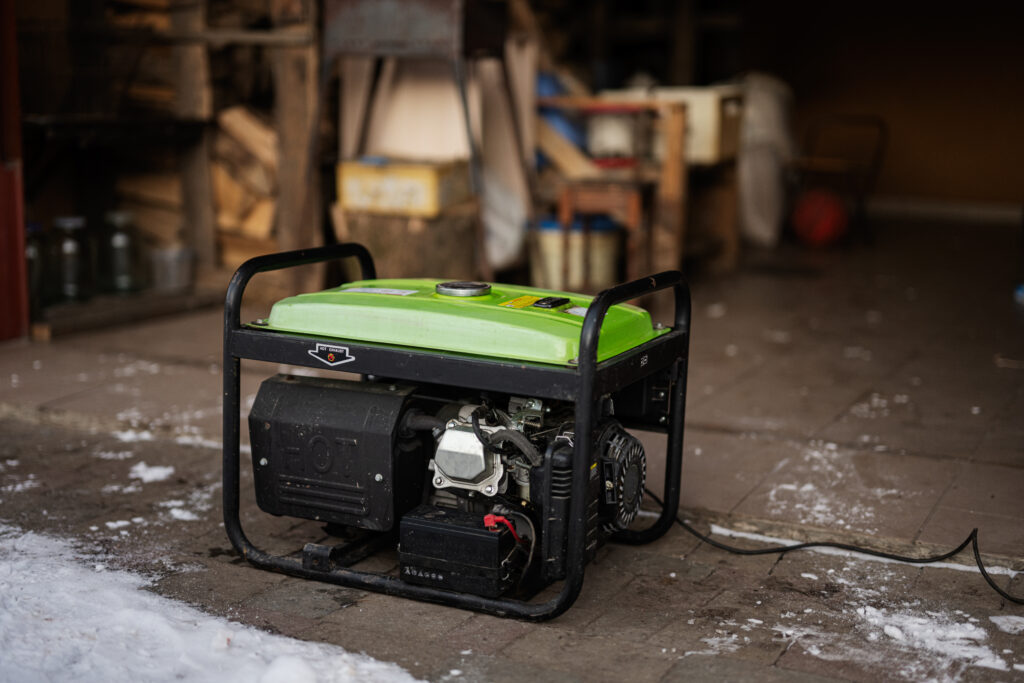
A home standby generator represents peace of mind. It is a powerful, complex machine purchased for one reason: to provide seamless, automatic power the moment the utility grid fails. For homeowners in Southwest Virginia, who are no strangers to unpredictable weather, a generator is a crucial investment. It is the shield that protects your family from extreme cold, your home from frozen pipes, and your daily life from major disruption. Once installed, however, this silent guardian is often forgotten. It sits quietly on its pad, waiting for an emergency. This “out of sight, out of mind” mentality is precisely where the danger lies.
A generator is not an appliance; it is an engine. It is a piece of heavy machinery with mechanical and electrical systems that must be kept in a state of perfect readiness. Like a car that sits undriven for a year, a generator that is ignored will almost certainly fail when you try to start it. Skipping routine, professional maintenance is not a way to save money. It is an act that undermines the entire purpose of your investment, turning your expensive shield into a useless piece of equipment right when you need it most. Reliability is the only feature that matters in an emergency system, and reliability is the direct product of maintenance.
An Engine That Hates to Sit Still
The core of your standby generator is a combustion engine. This engine is designed to run, but most of its life is spent in idle waiting. This state of inactivity is an engine’s worst enemy. Several components begin to degrade from the moment of installation, and only a regular maintenance schedule can combat this inevitable decay.
The single most common point of failure for any standby generator is the battery. The generator’s engine cannot start without it. This battery is very similar to the one in your car, and it has the same vulnerabilities. It must hold a charge for months or even years, waiting to provide the high amperage jolt needed to turn the engine over. Batteries naturally self discharge over time. Their terminals can corrode, creating a weak connection that prevents the starting motor from drawing enough power. A professional maintenance visit includes a load test of the battery, a cleaning of the terminals, and a check of the charging system. Without this, you are pressing the start button on a dead system.

Fuel is another critical point of decay. Homeowners with gasoline powered portable generators are familiar with this problem, as gasoline goes bad in just a few months. But even the more stable fuels used in standby units, like propane and natural gas, have their own issues. Propane tanks can develop regulator problems, and the fuel itself has a shelf life. Natural gas lines are reliable, but the valves and sensors that control the flow can seize or fail. For generators that use diesel, the fuel is prone to biological contamination from algae and water, which will clog filters and injectors. Maintenance involves inspecting the entire fuel system, testing fuel quality, and ensuring clean, reliable fuel can reach the engine instantly.
Finally, the engine’s internal components are at risk. Oil sits in the pan, moisture from the air can condense inside the crankcase, contaminating the oil and reducing its ability to lubricate. Hoses and belts made of rubber can become brittle and crack from disuse and exposure to the elements. When the generator is finally called upon, a cracked belt or a failed hose can stop the engine in minutes.
Reliability Is the Only Metric That Matters
A home standby generator is a binary system. It either works, or it fails. There is no middle ground. A generator that is 99 percent reliable is a 100 percent failure if it does not work during that one percent of time you are in an emergency. You did not buy a generator to work most of the time. You bought it to work every time, instantly, without question. This level of absolute reliability is not something that happens by chance; it is the result of a deliberate and consistent maintenance plan.
Consider the typical scenario for a power outage in our region. It is not on a calm, sunny afternoon. It is during a severe ice storm, a blizzard, or a thunderstorm with high winds. These are the worst possible times for you to discover a problem. When the lights go out and the house falls silent, you have a 10 to 30 second window before the automatic transfer switch is supposed to signal the generator. You wait, listening for the sound of the engine starting. Instead, you hear a click, a weak crank, and then silence. The battery was dead. Or the engine starts, sputters, and dies. The fuel line was gummed up.
Need your generator repaired? Click here to see our generator repair service.
At this moment, your entire investment is worthless. You are now in the dark, in the cold, and you have no recourse. Calling for an emergency generator repair during a major storm is often impossible. Technicians are overwhelmed, roads may be impassable, and you are placed on a waiting list. The repair that would have been simple and inexpensive during a routine checkup is now a crisis. This is the true cost of neglect. You are paying for a premium insurance policy but failing to pay the premiums that keep it active.
Protecting Your Real Investment: The Home Itself
The generator itself is a significant investment, but its primary job is to protect your other, even larger investments. Your home and its complex systems, particularly your HVAC and plumbing, are completely dependent on electrical power. A failed generator creates a domino effect that can lead to catastrophic financial damage.
The most severe risk in a Lebanon winter is frozen pipes. Your furnace is the only thing standing between your home’s plumbing and a hard freeze. Even a gas furnace is useless without electricity to power its blower, thermostat, and safety controls. When the heat goes off and your generator fails to start, the temperature inside your home begins to drop. It does not take long for pipes in exterior walls, crawl spaces, or basseys to reach the freezing point. When water freezes, it expands, splitting copper and PVC pipes. The real disaster begins when the power is restored. As the ice thaws, water sprays uncontrollably inside your walls and ceilings, causing tens of thousands of dollars in water damage. This single event costs exponentially more than a lifetime of generator maintenance.
In the summer, the threat is humidity and heat. Your air conditioner or heat pump is a powerful dehumidifier. When it goes offline and your generator fails to take over, the indoor humidity can quickly rise to oppressive levels. This creates the perfect breeding ground for mold, which can begin to grow in as little as 48 hours. Mold remediation is an expensive, invasive process that compromises your home’s structure and your family’s respiratory health.
Furthermore, many homes rely on electric sump pumps to keep basements and crawl spaces dry. A failed generator during a heavy rainstorm leads to a flooded basement. Refrigeration systems, from your kitchen refrigerator to a business’s walk in cooler, also fail, resulting in hundreds or thousands of dollars in spoiled food or lost inventory. The generator is the linchpin holding all these systems together. Its failure is a total system failure.
The Hidden Financial Costs of Neglect
Many homeowners skip maintenance thinking they are saving money. This is a false economy that almost always leads to higher costs in the long run. A neglected generator is not only unreliable; it is more expensive to run and will have a significantly shorter lifespan.
When a small problem is ignored, it invariably cascades into a large, expensive failure. A dirty air filter, for example, is a simple item to replace. But a clogged filter starves the engine of air, forcing it to run rich. This incomplete combustion wastes fuel, fouls spark plugs, and leaves carbon deposits throughout the engine. What could have been a simple filter swap now requires a much more intensive service. A small oil leak that is not caught can lead to the engine running low on oil, resulting in a catastrophic seizure. At that point, you are not repairing the generator; you are replacing it.
Emergency service calls are a massive, avoidable expense. A generator technician who is called out during a holiday, a weekend, or the middle of a blizzard will be billing at an emergency premium rate, assuming they can even get to you. A routine maintenance plan prevents this. It allows a technician to find a worn belt, a weak battery, or a failing sensor during a calm, scheduled visit. The repair is cheaper, faster, and causes you zero stress.
A well maintained system also runs more efficiently. The engine starts faster, burns its fuel cleanly, and produces stable, consistent power. This saves you money on fuel every hour it runs. It also protects the appliances in your home. A poorly running generator can produce “dirty” power with unstable voltage. This can damage the sensitive electronics in your computers, televisions, and even your HVAC system’s circuit boards.
Safety Is a Non-Negotiable Risk
A generator is a powerful machine that creates electricity and burns combustible fuel. A neglected system is not just unreliable; it is a significant safety hazard for your home and family.
The most pressing danger is carbon monoxide. A generator’s engine produces this odorless, invisible, and deadly gas. An engine that is poorly maintained may not be burning its fuel completely, leading to higher than normal CO output. More critically, the exhaust system itself can degrade. A crack or leak in the exhaust manifold can vent these deadly fumes, which could then be drawn into the home. A maintenance inspection includes a full check of the exhaust system to ensure it is sound and venting safely away from the house.

Fire is another real risk. Generators get extremely hot. Over time, vibration can cause electrical connections to loosen. A loose, high amperage connection will arc, creating intense heat and a severe fire hazard. Rodents and other pests are also drawn to the shelter of a generator’s housing. They can build nests from flammable materials like dry grass and leaves, chew through wiring, or even clog the exhaust. A technician cleans the unit and inspects for these common but dangerous issues.
The automatic transfer switch, or ATS, is the electrical brain of the system. It is the component that isolates your home from the grid and manages the flow of power. A regular inspection ensures its connections are tight and its mechanics are functioning. A failed ATS can be catastrophic. It could fail to disconnect from the grid, creating a dangerous back-feeding situation that can kill a utility worker. Or it could fail to switch the load properly, causing a surge that destroys your home’s appliances.
What Professional Maintenance Actually Involves
A professional generator maintenance plan is not just a quick visual check. It is a comprehensive diagnostic service designed to test, validate, and tune every component of the emergency system.
A technician will perform a full fluid service, changing the oil and oil filter, just as you would for a car. They will replace the air filter to ensure the engine can breathe and the fuel filters to protect the engine from contaminants. They will inspect the entire fuel system for leaks or degradation.
The battery is tested under a load to verify it can perform its job. The technician will check the spark plugs, ignition system, and all wiring for signs of wear or corrosion. They will inspect the hoses and belts for cracks or brittleness.
Do you want to know more about financing a generator? Click here for more information.
Crucially, the service includes a full operational test. The technician will simulate a power outage. This forces the automatic transfer switch to operate and the generator to start. The generator is then run under a load to ensure it produces the correct voltage and frequency. This test is the only true way to verify that the entire system works together as designed. It is a dress rehearsal for a real emergency, and it is the most important part of any maintenance plan.
A home standby generator is an emergency system. It is a purchase made in the name of safety, comfort, and security. But that security is only as real as the generator’s reliability. A generator that is not professionally maintained is a gamble. It is an expensive insurance policy that you have allowed to lapse.
When a winter storm bears down on Lebanon, you cannot afford to wonder if your generator will start. You need to know. The cost of a frozen pipe, a flooded basement, or a home full of mold is the true price of skipped maintenance.
Do not wait for the darkness and the cold to find out your investment has failed. Protect your family, your home, and your peace of mind. Contact SWVA Mechanical today to schedule a comprehensive maintenance service for your generator. Ensure your system is ready, so you are prepared for anything.