
In the world of home improvement, few gadgets have gained as much attention recently as the smart thermostat. These sleek, wall-mounted devices are often marketed as the ultimate solution for reducing energy waste and lowering monthly utility bills. For homeowners in Lebanon and throughout Southwest Virginia, where the weather can swing from humid summer afternoons to bone-chilling winter nights, the idea of a device that manages comfort automatically is highly appealing. However, with so much marketing noise, it can be difficult to separate the genuine efficiency benefits from the high-tech hype.
A thermostat is the central brain of your entire heating and cooling system. It tells the furnace when to ignite and the air conditioner when to engage. Traditional manual thermostats and even early programmable models rely heavily on human intervention to save money. If you forget to turn the heat down before leaving for work or heading out for a weekend at the lake, your system continues to run as if you were home, heating or cooling an empty house. The “truth” about smart technology is that it aims to eliminate this human error, but its effectiveness depends largely on how it is integrated into your specific lifestyle and home environment.
Beyond Simple Programming and Scheduling
Most people are familiar with programmable thermostats, which allow you to set specific times for the temperature to rise or fall. While these were a step up from manual dials, they often proved too cumbersome for the average user. Statistics show that a large percentage of homeowners with programmable thermostats never actually program them, or they frequently use the “hold” or “override” buttons, which negates any potential savings. Smart thermostats solve this problem by making the scheduling process intuitive and, in many cases, entirely automatic.
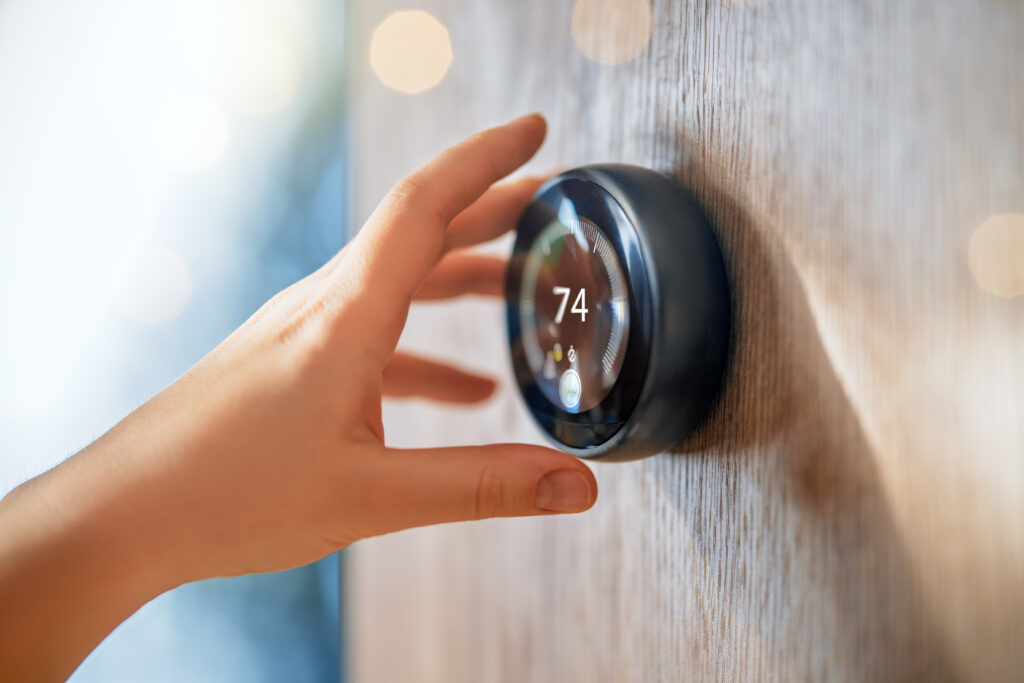
Many high-end smart thermostats feature learning algorithms. During the first week or two of use, you simply adjust the temperature as you normally would. The device tracks these adjustments and begins to build a personalized schedule based on your habits. It notices when you typically wake up, when the house is empty during the day, and what temperature you prefer for sleeping. By automating these setbacks, the device ensures that your HVAC system is only working hard when it actually needs to, which is the cornerstone of energy efficiency.
This automation is particularly beneficial in a climate like Lebanon’s, where we experience significant temperature shifts. A smart thermostat can even account for the “thermal mass” of your home, learning how long it takes for your specific house to reach a desired temperature. Instead of turning the heat on at 6:00 AM to be warm by 7:00 AM, the device knows exactly when to start the system so the house is perfectly comfortable the moment you step out of bed, without wasting a minute of run-time.
The Power of Remote Access and Geofencing
One of the most practical efficiency features of a smart thermostat is the ability to control it from anywhere via a smartphone app. We have all had that moment of realization, miles away from home, that the air conditioning was left on a low setting during a heatwave. In the past, that energy was simply wasted until you returned. With a smart device, you can pull over, open an app, and adjust the temperature in seconds. This remote connectivity provides a level of control that manual thermostats simply cannot match.
Need a thermostat installation? Click here to schedule your appointment.
Geofencing takes this a step further by using the GPS location of your smartphone to manage your home’s climate. You can set a virtual perimeter around your property; when you cross that boundary leaving for the day, the thermostat automatically enters an energy-saving “away” mode. As you head back toward Lebanon and cross the boundary again, the system kicks back on to ensure the house is comfortable by the time you walk through the front door. This ensures that you never pay to heat or cool an empty home, even if your daily schedule is unpredictable.
This is especially useful for busy families or individuals whose work hours vary. Traditional schedules are rigid, but life is often fluid. Geofencing adapts to your actual movements rather than a pre-set timer. By ensuring the system is only active when someone is physically present or on their way back, the smart thermostat maximizes every dollar spent on heating and cooling, which accounts for nearly half of the average Virginia household’s energy budget.
Data Insights and Energy Reporting
Another major difference between traditional and smart thermostats is the level of feedback they provide. A standard thermostat is a one-way street; you give it a command, and it executes it. A smart thermostat provides a wealth of data that can help you understand your home’s energy consumption patterns. Most models generate monthly energy reports that show exactly how many hours your system ran and how your usage compares to previous months or even other homes in your area.

These reports often highlight why your energy use changed. For example, it might show that a particularly cold week in January caused a thirty percent spike in furnace run-time, or it might point out that your “away” settings saved you ten hours of cooling over the course of a month. This insight allows you to make informed decisions about your comfort settings. When you can see the direct correlation between a one-degree adjustment and your monthly bill, you are more likely to find a balance that saves money without sacrificing comfort.
Furthermore, these devices can provide alerts that help maintain the efficiency of the HVAC equipment itself. Many smart thermostats will notify you when it is time to change your air filter or if the system is detecting an unusual temperature trend that might indicate a mechanical problem. A dirty filter or a struggling blower motor can cause energy bills to skyrocket. By catching these issues early through automated alerts, the smart thermostat helps protect the efficiency of the entire system, not just the temperature setting.
Integration with the Smart Home Ecosystem
In many Southwest Virginia homes, a smart thermostat is just the beginning of a larger home automation strategy. These devices are designed to communicate with other smart products to create a more efficient living environment. For example, a smart thermostat can be linked to smart blinds or shades. During a hot Lebanon summer, the system can signal the blinds to close on the south-facing side of the house to reduce solar heat gain, allowing the air conditioner to work less.
Want to know if it’s time to upgrade your thermostat? Click here for more information.
Voice integration through assistants like Alexa or Google Home also adds a layer of convenience that encourages better habits. If you are tucked into bed and realize the house feels a bit too warm, you can simply use a voice command to lower the temperature rather than leaving it as is because you don’t want to get up. While this seems like a minor luxury, any reduction in unnecessary heating or cooling adds up over the course of a year.
Some advanced models can also work with remote room sensors. Most thermostats only measure the temperature in the hallway where they are mounted, which is rarely the most lived-in part of the home. Remote sensors allow the thermostat to prioritize the temperature in the bedroom or the living room. By focusing the system’s effort on where people actually are, and ignoring unoccupied rooms in a zoned system, the smart thermostat ensures that comfort is delivered precisely and efficiently.
Professional Installation and Compatibility
The truth about smart thermostats also includes a word of caution: they must be installed and configured correctly to deliver on their efficiency promises. Many modern systems, especially high-efficiency heat pumps or multi-stage furnaces, require specific wiring to communicate properly with a smart controller. If the “C-wire” or common wire is missing or improperly connected, the thermostat may suffer from power issues or fail to engage certain energy-saving modes of the HVAC equipment.
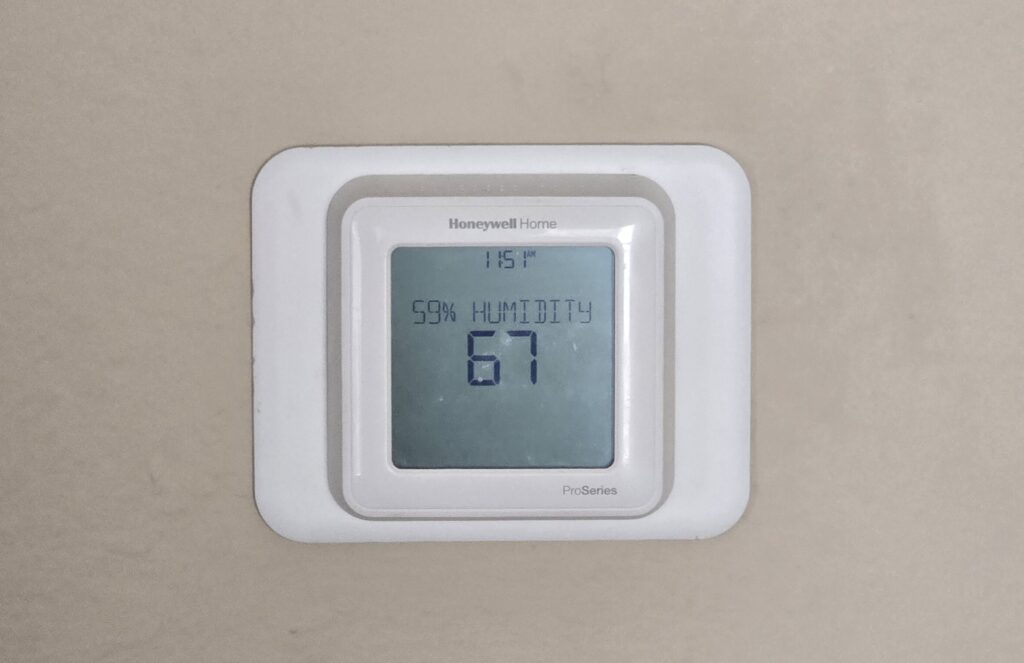
Choosing the right model for your specific equipment is also vital. Not every smart thermostat is compatible with every type of heating and cooling system. For instance, some proprietary systems from specific manufacturers work best with their own branded smart controllers. A professional HVAC technician can ensure that the thermostat is not just “on,” but that it is talking correctly to your furnace and heat pump to utilize all their stages and features.
Finally, placement remains a critical factor in efficiency. If a smart thermostat is placed in a drafty area or in direct sunlight, all its advanced algorithms will be based on false data. It will “think” the house is much hotter or colder than it truly is, leading to unnecessary system cycling. During a professional installation, a technician will verify the placement and calibration, ensuring that your investment in smart technology actually results in the lower utility bills and increased comfort you expect.
The truth about smart thermostats is that they are powerful tools, but they are not magic. Their ability to save you money and improve efficiency comes from their capacity to eliminate waste. By learning your schedule, utilizing geofencing, and providing detailed energy reports, these devices take the guesswork out of managing your home’s climate. For residents in Lebanon, Virginia, where the cost of heating and cooling is a major part of the household budget, the transition to a smart thermostat represents a significant opportunity for long-term savings.
However, the real efficiency comes from the partnership between the technology and the homeowner. A smart thermostat provides the data and the automation, but it still requires a properly maintained HVAC system to do the heavy lifting. When paired with regular maintenance and professional installation, a smart thermostat can reduce your heating and cooling costs by up to fifteen percent annually. It is a smart investment that pays for itself over time, providing a more comfortable home and a more manageable utility bill.
In the end, a smart thermostat is about more than just a fancy screen on the wall; it is about taking control of your home’s environment in a way that was never possible with older technology. Whether you are looking to reduce your carbon footprint or simply want a lower bill each month, the efficiency benefits of a smart thermostat are very real. By making your home’s “brain” a little bit smarter, you ensure that your comfort is always a priority and your energy is never wasted.