
Summer storms across Southwest Virginia can knock out power in an instant, leaving your expensive electronics vulnerable to serious damage. Lightning strikes, downed power lines, and grid overloads send dangerous voltage spikes through your home’s wiring. These surges can fry televisions, computers, gaming consoles, and smart home devices in milliseconds. Protecting your electronics during a summer power outage requires a layered approach that combines smart habits, quality surge protection, and reliable backup power. Homeowners in Lebanon, Abingdon, and surrounding areas face these threats every storm season. The good news is that preparation makes all the difference. This guide walks you through practical steps to safeguard your valuable devices when the grid goes down.
Understanding Power Outage Risks to Your Electronics This Summer
Summer power outages pose unique threats that differ from winter grid failures. Thunderstorms bring lightning, which can induce massive voltage surges even without a direct strike to your home. When utility crews restore power after an outage, the sudden rush of electricity often creates secondary surges that damage sensitive electronics. Brownouts, where voltage drops below normal levels, can also harm motors and circuit boards in appliances. Understanding these risks helps you prepare the right defenses before the next storm rolls through. Your electronics represent thousands of dollars in investments that deserve serious protection.
The Real Cost of Summer Power Outage Electronic Damage
A single lightning-induced surge can destroy every plugged-in device in your home within a fraction of a second. Televisions, laptops, refrigerator control boards, HVAC thermostats, and modems are especially susceptible to voltage spikes. Replacing these items often costs thousands of dollars, and homeowners insurance may only cover part of the loss after deductibles. Beyond the hardware itself, you lose irreplaceable data like family photos, financial records, and work documents stored on damaged drives. Small businesses face even steeper consequences when point-of-sale systems, security cameras, and refrigeration controls fail at once. The recovery period can stretch for weeks while you order replacements and reconfigure settings.
Hidden damage is another concern many homeowners overlook completely. A surge might not kill a device outright; instead, it weakens internal components, causing premature failure months later. Your refrigerator might keep running, but its compressor control could be damaged and quit working in the middle of August. Air conditioning systems are particularly vulnerable because their electronic control boards sit exposed to every voltage fluctuation. Even LED light bulbs and ceiling fan remotes can fail after a significant surge event. This delayed damage makes it hard to connect cause and effect, leading to repeated repair bills.
Commercial kitchens and restaurants have even more on the line when the power flickers. Walk-in coolers, ice makers, and prep table refrigeration all rely on electronic controls that surges can destroy in seconds. Food spoilage from extended outages adds another layer of financial pain on top of equipment damage. Small businesses in Southwest Virginia often operate on tight margins, and a single storm can wipe out weeks of profit. Protecting your electronics is not just about convenience; it is about preserving your livelihood. Investing in proper protection pays for itself the first time a major storm rolls through.

How Summer Storms Create Power Outage Electronic Hazards
Lightning is the most dramatic threat, but it is far from the only danger your electronics face during summer. A direct strike on a power line miles away can send a surge racing through the grid straight into your outlets. Wind damage causes tree limbs to fall on lines, creating short circuits that produce erratic voltage swings. These swings stress electronic components even if they do not immediately fail. Transformer explosions at substations send shockwaves of voltage back into neighborhood homes. Each of these events can happen without warning during a typical summer thunderstorm.
Heat itself puts additional strain on the electrical grid during peak demand periods in July and August. Utility companies sometimes implement rolling blackouts to prevent complete system failure when demand exceeds supply. When power cycles on and off repeatedly, the inrush current damages capacitors and transformers inside your devices. Air conditioners working overtime pull massive starting loads, and when the grid struggles to supply clean power, voltage becomes unstable. This instability acts like a slow poison for sensitive electronics throughout your home. Your devices may seem fine today but fail unexpectedly next month.
Humidity compounds the problem by creating conditive pathways where moisture meets electronics. A surge that might have been minor in dry conditions can cause catastrophic failure when humidity is high. Storm-related flooding can introduce water into outlets and appliances, creating hazards that persist long after the lights come back on. Outdoor units for heat pumps and air conditioners sit directly in the weather, taking the brunt of every storm. Ground currents from nearby lightning strikes can enter your home through cable television and phone lines. Every entry point into your house represents a potential surge pathway that needs protection.
Common Electronics Vulnerable to Summer Power Outage Damage
Smart TVs and home theater systems rank among the most commonly damaged items during summer outages. These devices contain sensitive microprocessors that operate on precise voltage levels to function correctly. Even a brief spike can corrupt firmware or destroy HDMI ports, rendering expensive equipment useless. Gaming consoles share similar vulnerabilities and often cost hundreds of dollars to replace. Desktop computers and laptops hold personal and financial data that may be lost forever if a surge damages internal drives. Network equipment like modems, routers, and mesh WiFi systems are almost always casualties of major storms.
Kitchen appliances have become increasingly electronic and therefore more vulnerable over the past decade. Modern refrigerators, dishwashers, ranges, and microwaves all contain circuit boards that control every function. When these boards fail, repair costs often approach the price of replacement units. Ice makers and wine coolers suffer the same risks and can be expensive to service after surge damage. Countertop appliances like coffee makers, air fryers, and stand mixers with digital displays are also at risk. The trend toward smart appliances means more components that need protection from voltage events.
Your HVAC system represents one of the largest electronic investments in your entire home. Modern furnaces, heat pumps, and air conditioners rely on control boards, variable speed motors, and communicating thermostats. A single surge can destroy these components and leave you without cooling during the hottest days of summer. Generator transfer switches and solar inverters also contain sensitive electronics that need surge protection. Security systems, doorbell cameras, and smart locks keep your family safe but need steady power to function properly. Need help keeping your cooling system safe this summer? Click here for our air conditioning maintenance service.
Practical Steps to Prevent Power Outage Damage to Electronics
Protecting your electronics starts before the first dark cloud appears on the horizon. A combination of surge protectors, unplugging habits, and backup power systems creates multiple layers of defense. Each layer addresses different types of threats, and together they dramatically reduce your risk of costly damage. Southwest Virginia homeowners should prepare now rather than waiting for the next severe weather warning. The steps below are practical, affordable, and proven to work in real storm conditions. Taking action today can save you thousands of dollars tomorrow.
Using Surge Protectors to Prevent Power Outage Electronic Damage
Not all surge protectors are created equal, and many inexpensive power strips offer no real protection at all. Look for units with a joule rating of at least 2,000 for general electronics and 3,000 or higher for home theater systems. The response time should be under one nanosecond to catch fast-moving voltage spikes from lightning events. Quality surge protectors include indicator lights that tell you when the internal components have worn out and need replacement. Remember that surge protectors are sacrificial devices; they absorb damage so your electronics do not have to. Replace them every three to five years or after any major surge event.
Whole-house surge protectors installed at your main electrical panel provide the strongest foundation of protection available. These devices stop the majority of incoming surges before they ever reach your outlets or branch circuits. A licensed electrician should install them because they connect directly to your service entrance. Combining a whole-house unit with point-of-use surge protectors at individual devices creates true layered defense for your home. This two-tier approach catches what the main unit misses and handles surges generated inside your home by large appliances. The cost is reasonable compared to replacing multiple high-end electronics after a single storm.
Dedicated surge protection is especially important for your HVAC equipment and kitchen refrigeration units. Compressors and control boards in these systems cost thousands to replace and are particularly sensitive to voltage events. HVAC-specific surge protectors install at the outdoor unit or inside the air handler to protect both components. Commercial refrigeration equipment benefits from the same approach, especially walk-in coolers and freezers running continuously. Adding surge protection during routine maintenance visits is an easy upgrade for any homeowner. Ask your technician about the options available for your specific system.
Unplugging Electronics to Avoid Power Outage Damage
When severe weather is forecast, unplugging non-essential electronics is the single most effective protection strategy. No surge protector can stop a direct lightning strike; only physical disconnection guarantees safety. Start with the most expensive and vulnerable items like televisions, computers, and gaming systems. Unplug from both the wall outlet and any coaxial cable or ethernet connections, since surges can travel through data lines. This simple habit has saved countless homeowners from devastating losses over the years. Make it a routine whenever thunderstorm warnings appear in your area.
Create a priority list of devices to unplug in a hurry before storms arrive at your home. Keep the list somewhere visible so family members can help when time is short before bad weather hits. Identify outlets that are hard to reach and consider installing smart plugs that can cut power remotely through an app. This approach works well for entertainment centers where cables are tangled behind furniture and difficult to access quickly. Label the cords of your most important devices so you can identify them instantly in an emergency. Being organized turns a stressful moment into a manageable task.
Some electronics should stay plugged in for safety or practical reasons during storms. Refrigerators and freezers protecting food, medical equipment like CPAP machines, and security systems need continuous power to function. For these essentials, surge protection becomes even more critical since you cannot unplug them. Consider installing a dedicated surge protector or, better yet, a whole-house unit to cover these always-on devices. Battery backup units provide short-term power during brief outages and add another layer of surge defense. Planning for these essential items keeps your family safe and comfortable during extreme weather.

Backup Power Options to Minimize Power Outage Effects on Electronics
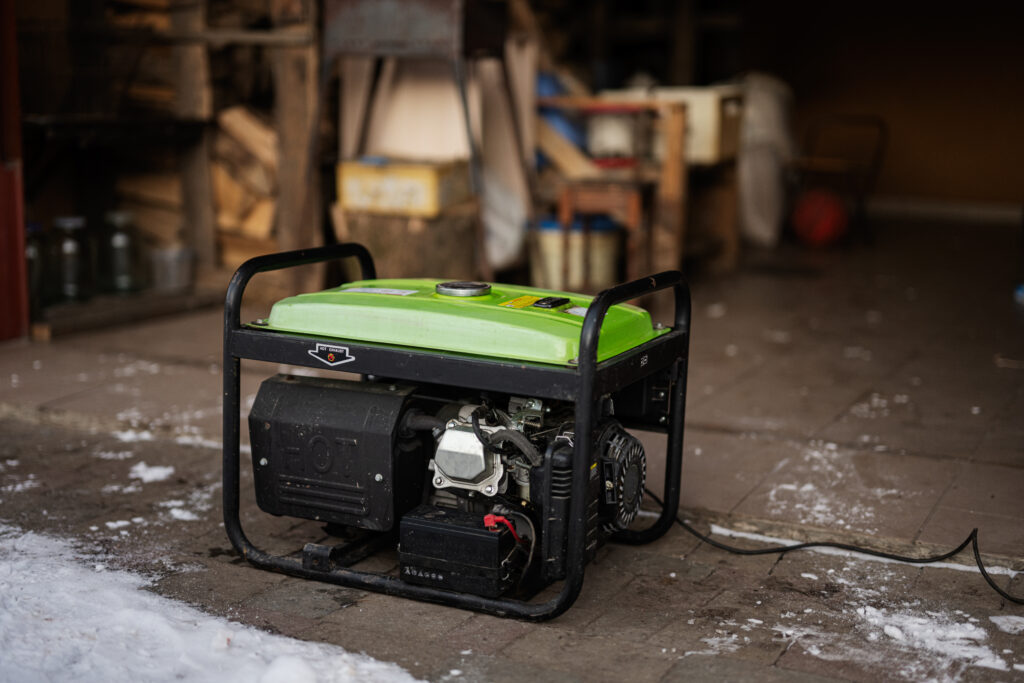
Portable generators have long been a popular backup power choice for Southwest Virginia homeowners during summer storms. They provide emergency electricity for essentials like refrigerators, fans, and a few lights during outages. However, portable units require manual setup, fuel management, and safe operation outside the home to prevent carbon monoxide poisoning. Dirty power from some portable generators can actually damage sensitive electronics, so look for inverter models with clean sine wave output. Never plug electronics directly into a portable generator without a proper surge protector in between them. These limitations make portable generators best suited for short, planned outages rather than long storm recoveries.
Standby generators offer a far superior solution for whole-home backup during any power outage. Units from brands like Generac automatically detect power loss and restore electricity within seconds without any manual action. They run on natural gas or propane, eliminating the need to store and refill gasoline during extended outages. Modern standby generators provide clean, consistent power that is safe for all your sensitive electronics and HVAC equipment. They also come with automatic transfer switches that isolate your home from the grid during operation. This isolation prevents damage when utility power is restored after a storm.
Uninterruptible power supplies, or UPS units, provide instant battery backup for your most critical electronics. These devices keep computers, network equipment, and entertainment systems running during brief outages and smooth out voltage fluctuations. A quality UPS gives you enough time to safely shut down computers and save important work before battery power runs out. Look for models with automatic voltage regulation to handle the common brownouts that plague summer grids. UPS units pair well with standby generators to cover the brief gap between outage and generator startup. Ready to upgrade to whole-home backup power? Click here for our Generac generator installation service.
Why You Need Professional Help Protecting Electronics From Summer Power Outages
Protecting your electronics properly requires more than just buying a few surge protectors from the hardware store. Professional assessment of your home’s electrical system, HVAC equipment, and backup power needs ensures nothing gets overlooked. Experienced technicians can identify vulnerabilities you might miss and recommend the right combination of solutions. Investing in professional protection now prevents expensive replacements and repairs later. SWVA Mechanical has decades of combined experience serving homeowners and businesses throughout Southwest Virginia.
Professional Generator Installation for Power Outage Protection
A properly installed standby generator is the gold standard for protecting your electronics during summer power outages. Professional installation ensures the generator is correctly sized for your home’s load, including HVAC systems and kitchen appliances. Undersized generators strain during use and can actually harm the electronics they are meant to protect. An experienced installer also places the unit according to local codes, manufacturer specifications, and fuel line requirements. Proper installation includes configuring the automatic transfer switch for seamless operation during grid failures.
Regular generator maintenance keeps your backup power ready for the next summer storm that rolls through. Batteries, oil, filters, and spark plugs all need periodic attention to ensure reliable startup when you need it most. A generator that fails to start during an outage provides no protection for your electronics or comfort for your family. Professional maintenance catches small issues before they become major problems during critical moments. Annual service visits also give technicians a chance to verify the transfer switch operates correctly under load.
Generator repair requires specialized knowledge of both electrical systems and internal combustion engines working together. DIY repairs can damage expensive components or create dangerous conditions for anyone around the unit. Certified technicians have access to manufacturer parts, diagnostic tools, and technical bulletins to fix problems correctly the first time. They also document repairs for warranty purposes and safety records. Need reliable backup power service? Click here for our Generac generator maintenance service.
HVAC Protection From Summer Power Outage Damage
Your HVAC system is likely the most expensive electronic investment in your entire home right now. Surge damage to control boards, compressors, and variable speed motors can easily cost thousands of dollars to repair. Professional HVAC technicians can install dedicated surge protection at both the outdoor unit and the indoor air handler. These specialized devices are engineered specifically for the unique voltage characteristics of heating and cooling equipment. Adding surge protection during a routine maintenance visit is affordable and prevents catastrophic failures later.
Heat pumps and air conditioners that survive summer storms still need inspection after major weather events occur. Hidden damage from voltage spikes or water intrusion can cause premature failure weeks or months down the road. A qualified technician can test components, measure refrigerant levels, and verify that control systems are functioning properly. Catching minor storm damage early often saves thousands compared to waiting for a complete breakdown. Annual maintenance programs include post-storm inspections as part of keeping your system running smoothly.
Ductless mini split systems are increasingly popular in Southwest Virginia homes and businesses for targeted cooling. These systems rely heavily on sophisticated electronics that need surge protection just like central HVAC equipment. Mini splits often serve critical spaces like home offices, server rooms, and small commercial kitchens where downtime is costly. Professional installation includes proper grounding and surge protection to maximize equipment lifespan and reliability. Looking to protect your cooling investment? Click here for our mini split maintenance service.
Why Choose SWVA Mechanical for Power Outage Electronic Protection
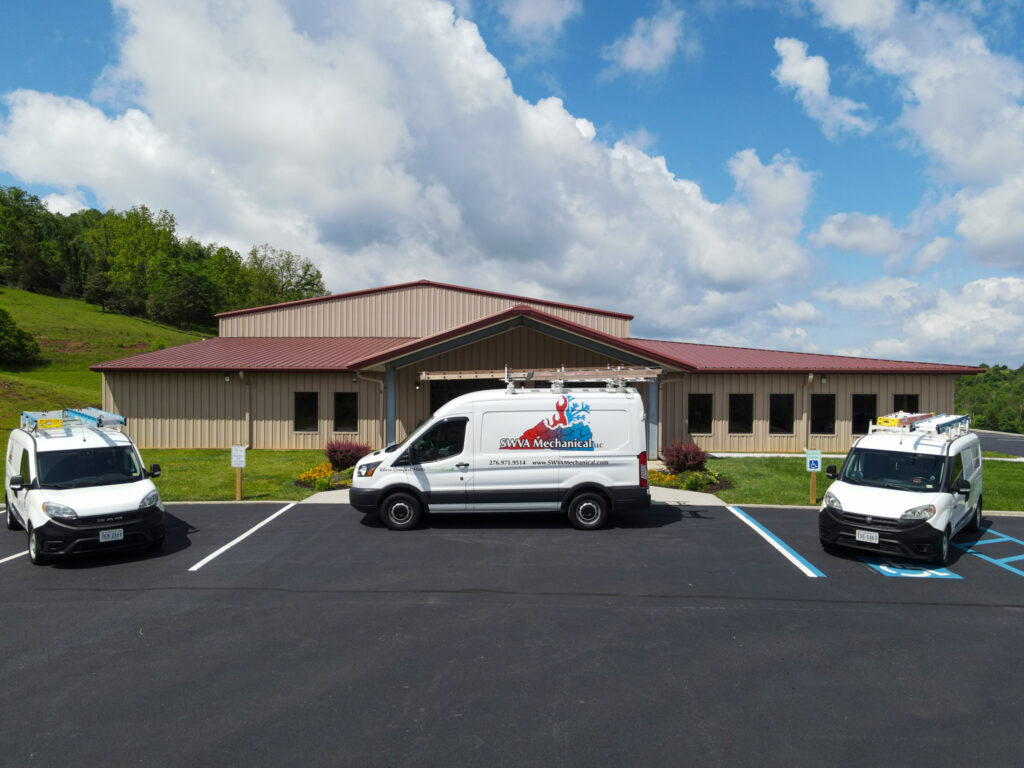
SWVA Mechanical brings decades of industry knowledge to every service call across Southwest Virginia. Our licensed and certified technicians understand the unique weather challenges facing homeowners from Lebanon to Abingdon to Norton. We carry surge protection solutions for HVAC, refrigeration, and generator systems because we know how important this protection is. Our team handles everything from residential heat pumps to commercial walk-in coolers with the same attention to detail. When storms threaten your electronics, you need a contractor who understands the complete picture.
Every technician on our team is background checked and drug tested before ever entering your home. We take ethos seriously because we know you are trusting us with your property and your family’s safety. As a Gree Select Dealer, we offer twice the standard warranty on qualifying HVAC equipment for lasting peace of mind. Financing through Wisetack and Synchrony makes major upgrades like whole-home generators and HVAC surge protection affordable. We are locally owned and operated, which means we care about our neighbors and stand behind our work.
Summer power outages will happen; the question is whether your electronics will survive them undamaged. SWVA Mechanical provides prompt, professional HVAC, refrigeration, and generator service throughout Southwest Virginia. We help homeowners and businesses design protection strategies that match their specific needs and budgets. From Generac generator installation to HVAC surge protection and refrigeration backup, we handle every aspect of electronic safety. Call us today at (276) 971-9514 or email Brian@swvamechanical.com to schedule your consultation. Let us help you prepare before the next summer storm rolls through our mountains.