
Picking the right size AC unit for your home is one of the most important decisions you will make before summer hits Southwest Virginia. A unit that is too small will run nonstop and still leave rooms warm, while one that is too large will cool too fast and leave the air sticky and humid. Both problems lead to higher power bills, shorter equipment life, and frustrating comfort issues. Homeowners often assume bigger is better, but that is rarely true with air conditioning. The correct size depends on square footage, insulation, window count, ceiling height, and local climate. Getting the sizing right the first time saves money for years to come. This guide breaks down how AC sizing works so you can make an informed choice.
How to Calculate the Correct AC Unit Size for Your Home
AC sizing is measured in BTUs, which stands for British Thermal Units, and in tons, where one ton equals 12,000 BTUs of cooling capacity per hour. A rough starting point is about 20 BTUs per square foot of living space, though that number shifts based on your home’s specific features. A 2,000 square foot home might need somewhere between 30,000 and 40,000 BTUs, which translates to roughly a 2.5 to 3.5 ton unit. Factors like sun exposure, ceiling height, and the number of people living in the home all affect the final number. Professional HVAC technicians use a process called a Manual J load calculation to get the precise number. This method accounts for every variable that impacts cooling demand.
A Closer Look at AC Unit Size and Square Footage
Square footage is the foundation of any AC sizing calculation, but it is only the starting point. For most homes in the Lebanon, VA area, you can estimate that every 500 to 600 square feet of living space requires about one ton of cooling. That means a 1,500 square foot ranch home typically needs a 2.5 ton unit under average conditions. Homes with open floor plans may need slightly more capacity because air moves freely between rooms and must be conditioned together. Finished basements, bonus rooms, and sunrooms should be included in the total square footage if they connect to your central system.
Ceiling height also changes the math in ways many homeowners overlook. Standard calculations assume 8 foot ceilings, so vaulted or cathedral ceilings add significant volume that your AC must cool. A room with 12 foot ceilings holds 50 percent more air than the same room with 8 foot ceilings. Technicians adjust the BTU requirement upward to account for that extra cubic footage. Ignoring ceiling height is one of the most common sizing mistakes in older home improvement guides.
Room layout and air flow patterns matter just as much as raw square footage. Long hallways, multiple stories, and tight corners can trap warm air and create hot spots. A properly sized system works with your ductwork to push cool air into every room evenly. Oversized units cycle off before they can push air to the far corners of the home. Undersized units simply never reach the thermostat setting on the hottest days of summer. Getting the balance right is what separates a comfortable home from a frustrating one.
A Closer Look at AC Unit Size and Insulation Quality
Insulation plays a massive role in how much cooling your home actually needs. A well insulated home in Tazewell or Abingdon might need 30 percent less cooling capacity than a poorly insulated home of the same size. Attic insulation, wall insulation, and crawlspace insulation all work together to keep heat out during the summer months. Older homes built before 1980 often have minimal insulation by modern standards. Upgrading insulation before replacing your AC can let you install a smaller, cheaper unit that still cools perfectly.
Window quality and placement also fall under the insulation umbrella. Single pane windows let in far more heat than double or triple pane energy efficient models. South and west facing windows bring in the most solar heat gain during the afternoon. Rooms with large picture windows or sliding glass doors need extra cooling capacity to offset the heat they absorb. Window treatments like blackout curtains and solar shades can reduce the load on your AC. Technicians factor window count, size, and direction into the Manual J calculation.
Air sealing is the third piece of the insulation puzzle. Gaps around doors, outlets, recessed lights, and plumbing penetrations let cool air escape and hot air sneak in. A home with poor air sealing can lose up to 30 percent of its conditioned air to leaks. Sealing these gaps with caulk, weatherstripping, and spray foam dramatically improves cooling efficiency. Many homeowners in our service area find that sealing air leaks makes a bigger comfort difference than upsizing their AC. The most efficient homes pair tight air sealing with quality insulation and correctly sized equipment.
A Closer Look at AC Unit Size and Southwest Virginia Climate
Climate zone affects AC sizing because cooling loads vary by region. Southwest Virginia sits in a mixed humid climate zone, which means summers are warm and sticky but not as extreme as the Deep South. Homes in Lebanon, Richlands, and Norton generally need less cooling capacity than homes in Florida or Texas. Our summers average in the mid 80s, with occasional stretches into the low 90s. That moderate climate means oversizing is an even bigger risk here than in hotter regions.
Humidity control is the second half of the climate equation. An AC unit does two jobs at once, which are cooling the air and removing moisture from it. Oversized units cool the air fast and shut off before they can pull enough humidity out. The result is a cold, clammy house that never feels truly comfortable. Correctly sized units run longer cycles that dehumidify the air properly. This is especially important in our Appalachian valleys where humidity can climb high during July and August.
Elevation and tree cover also shape the climate picture in our region. Homes tucked into shaded hollows stay cooler than homes on exposed ridges and hilltops. Dense tree canopy can reduce cooling demand by 10 to 20 percent during peak afternoon hours. Elevation affects air density, which slightly changes how your AC performs at different altitudes. A skilled technician who knows the local terrain will adjust calculations to match your exact property. Need help figuring out the right size for your home? Click here for our air conditioning installation service.
Common Problems Caused by the Wrong Size AC Unit
Installing the wrong size AC unit creates problems that get worse over time. An oversized system short cycles, which means it turns on and off rapidly without completing full cooling cycles. Short cycling wears out the compressor, increases energy use, and leaves humidity trapped in your home. An undersized system runs constantly and still struggles to hit the thermostat setting on hot days. Both scenarios shorten equipment life and drive up utility bills. Understanding these issues helps you recognize when your current system might be the wrong size.
A Closer Look at Oversized AC Unit Problems
Oversized air conditioners are the most common sizing mistake homeowners face. Contractors sometimes default to a larger unit because they think bigger always means better comfort. In reality, an oversized AC cools the space so quickly that it shuts off before it can dehumidify properly. You end up with a cold house that still feels muggy and uncomfortable. The thermostat reading might say 72 degrees, but the sticky air makes it feel warmer than that.
Short cycling is the technical term for what happens when an oversized unit runs too briefly. Each startup puts stress on the compressor, which is the most expensive part of your AC system. Compressors are designed for long, steady runtimes rather than constant on and off cycles. Short cycling can cut compressor life in half, leading to expensive repairs or early replacement. The sudden surges of electricity during startup also spike your energy bills.
Uneven cooling is another symptom of an oversized unit. The system cools rooms closest to the thermostat quickly and shuts off before distant rooms get enough air. You end up with cold spots near the thermostat and warm spots in bedrooms or upstairs areas. Fixing this problem usually requires replacing the system with a properly sized unit. If you suspect your AC is the wrong size, click here for our air conditioning repair service.
A Closer Look at Undersized AC Unit Problems
Undersized AC units run into different but equally frustrating problems. A unit that is too small will run almost continuously during hot weather without ever reaching the thermostat setting. You hear it humming all day and night, yet the house still feels warm. This constant operation drives up your power bill because the compressor never gets a break. The system uses more electricity than a properly sized unit would over the same cooling period.
Continuous runtime also accelerates wear on every component of the system. Motors, fans, capacitors, and compressors all have finite life spans measured in operating hours. An undersized unit burns through those hours faster than a correctly sized system. You can expect to replace an undersized AC five to seven years sooner than a properly matched one. The repair costs during those years add up quickly too.
Humidity and air quality suffer in homes with undersized units as well. While the system runs constantly, it still cannot keep up with the cooling load on peak days. The thermostat stays several degrees above the setpoint during afternoons and evenings. Indoor humidity creeps up because the unit cannot match the pace of moisture entering the home. You end up with a house that feels warm, damp, and stuffy no matter how long the AC runs. A properly sized system solves all three problems at once.
A Closer Look at Ductwork Issues That Mimic Sizing Problems
Sometimes what looks like a sizing problem is actually a ductwork problem. Leaky, undersized, or poorly designed ducts can make a correctly sized AC perform like an undersized one. Up to 30 percent of conditioned air can escape through duct leaks in a typical home. That lost air never reaches your rooms, so the system runs longer and costs more to operate. Sealing and insulating ductwork often solves comfort issues without any need to replace the AC itself.
Return air problems also cause comfort complaints that get blamed on sizing. Your AC needs enough return air to match what it pushes out through supply vents. Undersized returns starve the system, reducing airflow and cooling capacity dramatically. Closed doors can block return paths in homes with only one central return vent. Adding return vents or transfer grilles often fixes these airflow problems.
Duct design mistakes show up as hot and cold rooms throughout the home. Long duct runs, sharp bends, and crushed flex ducts all restrict airflow to specific rooms. A room at the end of a long duct run will always struggle to cool properly. Balancing dampers, duct modifications, or zoning systems can solve these distribution problems. A thorough assessment from a qualified technician identifies whether your issue is sizing, ductwork, or both.
Why You Need a Professional Load Calculation Before Buying a New AC
Guessing at AC size costs homeowners thousands of dollars in wasted energy and premature replacements. A professional Manual J load calculation is the industry standard for determining exactly what size unit your home needs. This calculation factors in every variable that affects cooling demand, from window orientation to insulation levels to local climate data. The small cost of a professional assessment pays for itself many times over in lower bills and longer equipment life. SWVA Mechanical provides detailed load calculations for every new AC installation we handle.
A Closer Look at the Manual J Load Calculation Process
Manual J is a formal calculation method developed by the Air Conditioning Contractors of America. Our technicians measure every room in your home and record details about windows, doors, insulation, and ceiling height. We also note the orientation of the home and the amount of shade from trees or neighboring buildings. All of this data feeds into software that calculates the exact BTU requirement for each room. The final number accounts for both sensible cooling and latent dehumidification needs.
The process typically takes an hour or two for an average home. We walk through every space, including basements, attics, and garages if they are conditioned. Existing ductwork gets inspected for size, condition, and leakage during the same visit. This holistic approach ensures that the new unit matches both the home and the distribution system. Skipping this step leads to the sizing mistakes that plague so many HVAC installations.
The result of a Manual J calculation is a right sized system that cools evenly and efficiently. You get comfortable temperatures, proper humidity control, and energy bills that reflect actual need rather than wasted capacity. The equipment lasts longer because it runs on the duty cycle it was designed for. You also get peace of mind knowing the installation was done correctly from day one.
A Closer Look at Energy Savings from Proper AC Sizing
A correctly sized AC unit saves money in multiple ways throughout its life. Energy consumption drops because the system runs at peak efficiency rather than wasting power on short cycles or constant operation. Homeowners often see monthly summer electric bills drop by 20 to 40 percent after replacing an oversized unit with a properly matched one. Those savings add up to thousands of dollars over the 15 year life span of a typical AC system.
Equipment maintenance costs also drop when the unit is properly sized. Compressors, motors, and electrical components experience less stress under normal duty cycles. That means fewer service calls, fewer replacement parts, and longer intervals between major repairs. Routine maintenance catches small problems before they turn into big ones. Want to keep your new AC running its best? Click here for our air conditioning maintenance service.
Financing options make it easier to invest in the right system from the start. SWVA Mechanical offers financing through Wisetack and Synchrony, so you can spread the cost of a quality installation over manageable monthly payments. Getting the correct size unit now costs less than replacing an incorrectly sized one later. Energy efficient models also qualify for rebates and tax credits that further reduce your out of pocket expense. The total cost of ownership is always lower with a properly sized, efficient system.
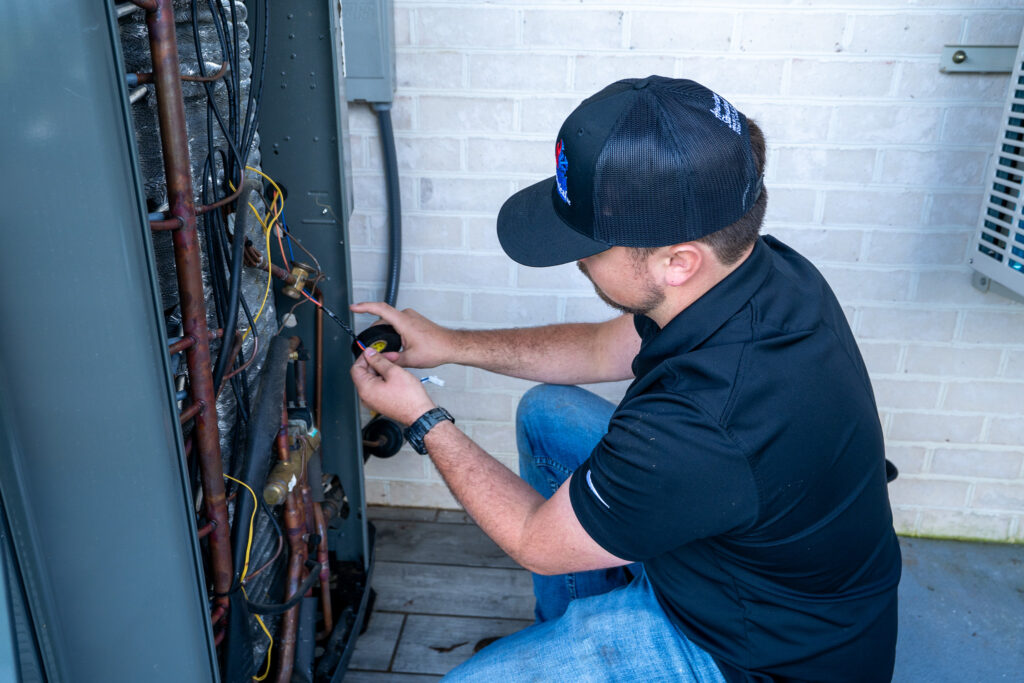
A Closer Look at Why Choose SWVA Mechanical for Your AC Installation
SWVA Mechanical has been serving Southwest Virginia homeowners for decades with expert HVAC installations. Our technicians are licensed, certified, background checked, and drug tested for your safety and peace of mind. We perform full Manual J load calculations on every installation to ensure your new unit fits your home perfectly. As a Gree Select Dealer, we offer twice the standard warranty on qualifying equipment. Our team knows the local climate, terrain, and construction styles from Lebanon to Bristol to Norton.
We stand behind every installation with prompt service and honest pricing. Our locally owned small business reputation depends on doing right by every customer we serve. We explain your options clearly and recommend the equipment that actually fits your needs rather than pushing the biggest or most expensive unit. Energy efficient upgrades often pay for themselves faster than homeowners expect. We help you weigh the numbers and make a smart long term investment.
Call SWVA Mechanical today at (276) 971-9514 to schedule your free sizing consultation. We serve homeowners throughout Russell, Tazewell, Washington, Smyth, Wise, and Scott counties. You can also reach us by email at Brian@swvamechanical.com with any questions about your current system or a planned replacement. Financing through Wisetack and Synchrony makes a new properly sized AC more affordable than ever. Let us help you stay cool and save money this summer with the right equipment installed the right way.