
As temperatures drop across Southwest Virginia, your heat pump shifts from cooling mode to heating mode for the long haul. A heat pump that runs reliably through fall and winter starts with a smart preparation checklist before the first cold snap arrives. Skipping this step leads to higher energy bills, surprise breakdowns, and uneven heating throughout your home. Homeowners in Lebanon, Abingdon, and the surrounding communities depend on their heat pumps to keep every room comfortable when the mercury dips. A small investment of time now saves hundreds of dollars later in repairs and wasted energy. The good news is that preparing your heat pump for the cooler months follows a clear process. This guide walks you through every step so your system runs at peak performance all season long.
Why Heat Pump Preparation for Cooler Months Matters
Heat pumps work twice as hard in fall and winter because they handle both heating and defrost cycles. Without proper preparation, your heat pump can freeze up, short cycle, or fail during the coldest nights of the year. Cold weather also stresses electrical components, refrigerant lines, and the reversing valve inside the unit. A prepared heat pump delivers steady warmth, lower utility bills, and fewer emergency service calls. Homeowners who plan ahead avoid the most common cold-weather failures that technicians see every winter. Taking action in early fall gives you time to address small issues before they become expensive problems.
Cooler Months Energy Efficiency With a Prepared Heat Pump
A heat pump that enters the cooler months in top shape uses significantly less electricity to heat your home. Dirty coils, clogged filters, and low refrigerant levels force the system to run longer to reach the thermostat setting. When a heat pump runs longer, it pulls more power from the grid, which drives up your monthly bill. Clean components transfer heat more efficiently, so the compressor cycles on and off the way the manufacturer intended. Proper airflow through the indoor and outdoor units also prevents the auxiliary heat strips from kicking on too often. Those electric resistance strips are the most expensive part of heat pump operation, and they activate when the system struggles. A prepared heat pump keeps auxiliary heat usage to a minimum.
Energy efficiency also depends on accurate thermostat readings and sealed ductwork throughout the home. A thermostat placed near a drafty window or a heat source will cause the heat pump to run at the wrong times. Leaky ducts in a crawl space or attic allow warm air to escape before it reaches the living areas. Sealing those leaks and insulating exposed ductwork can improve heating efficiency by fifteen to twenty percent. Homeowners who pair duct sealing with a fall tune-up often see the fastest return on investment. Your heat pump only performs as well as the system that distributes the air it produces.
Seasonal efficiency ratings matter, but real-world performance depends on maintenance habits. A heat pump rated at a high HSPF value still underperforms if the outdoor coil is caked with leaves and dirt. The difference between a maintained system and a neglected one can reach twenty-five percent on a monthly power bill. Over the course of a full heating season, that difference adds up to hundreds of dollars. Southwest Virginia winters include stretches of single-digit temperatures where every percentage point of efficiency counts. Preparing your heat pump now protects your wallet from January and February utility spikes.
Extending Heat Pump Lifespan Through Cooler Months Prep
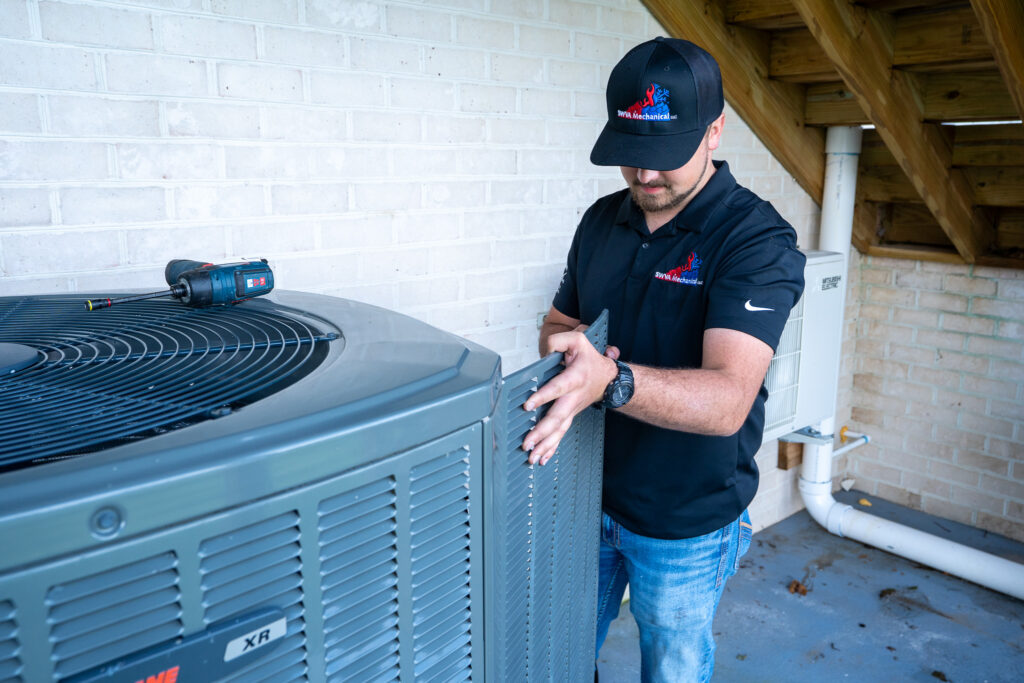
The average heat pump lasts twelve to fifteen years when maintained properly, and much less when ignored. Every fall preparation cycle removes wear and tear that would otherwise shorten the life of the compressor, fan motor, and reversing valve. Dirt and debris create friction inside moving parts, which leads to premature motor burnout. Low refrigerant charge forces the compressor to work harder than designed, cutting years off its service life. A clean, properly charged heat pump operates within the tolerances the manufacturer built into the system. Those tolerances are what allow a unit to reach fifteen or twenty years of reliable service.
Cold weather introduces stress points that do not exist during cooling season. Ice buildup on the outdoor coil, freezing rain on fan blades, and temperature swings all affect system components. The defrost cycle protects the coil, but only when the defrost sensor and control board work correctly. A fall inspection verifies that the defrost system activates on schedule and shuts off at the right temperature. Catching a weak defrost sensor in October prevents a frozen-solid outdoor unit in January. Preventive service also identifies worn contactors, loose wiring, and capacitors that show signs of failure.
Refrigerant charge is another factor that directly affects heat pump longevity. Undercharged systems run hot and overcharged systems flood the compressor, and both situations cause damage over time. A technician uses gauges to verify the charge is within the correct range for the outdoor temperature. Proper charge also means the system produces the maximum amount of heat from each kilowatt-hour of electricity. Homeowners who schedule heat pump maintenance every fall consistently get more years out of their equipment. Need heat pump maintenance before winter? Click here for our heat pump maintenance service.
Cooler Months Comfort and Indoor Air Quality
A prepared heat pump delivers even, consistent warmth to every room in the house. Hot and cold spots usually point to airflow problems, dirty filters, or unbalanced refrigerant levels. When the system moves the correct volume of air across a clean coil, every register gets its share of conditioned air. Proper humidity levels also depend on a heat pump that runs efficient, full cycles. A system that short cycles never reaches steady state, which leaves the air feeling clammy or dry. Cooler months comfort starts with a heat pump that cycles the way it was designed to cycle.
Indoor air quality improves dramatically when the blower, evaporator coil, and filter are clean heading into fall. Dust, pet dander, and mold spores collect on a dirty coil and blow into the living space with every cycle. A clean system traps more particles in the filter and sends cleaner air through the ductwork. Homeowners with allergies or asthma notice the difference within the first few days of heating season. Changing the filter monthly during heavy-use months is one of the simplest ways to protect indoor air. Higher MERV-rated filters catch more particles, as long as the system can handle the added static pressure.
Comfort also depends on how well the thermostat communicates with the heat pump. Modern smart thermostats optimize auxiliary heat usage and learn your schedule to reduce runtime. An outdated or miscalibrated thermostat causes temperature swings and unnecessary compressor starts. During a fall tune-up, a technician verifies thermostat calibration and recommends upgrades when they make sense. Proper thermostat settings during the cooler months keep the heat pump out of expensive emergency heat mode. The result is a home that feels the same temperature from morning to night without spikes in the power bill.
Heat Pump Preparation Steps for the Cooler Months
Preparing a heat pump for fall and winter follows a specific order, starting with the outdoor unit and working inward. Each step builds on the last to ensure the system is clean, balanced, and ready for heavy use. Homeowners can handle some tasks themselves, and others require a licensed HVAC technician. Knowing which is which keeps you safe and protects the warranty on your equipment. The steps below cover the full checklist that professional technicians follow during a fall heat pump tune-up. Following this process gives you the same confidence a maintenance visit provides.
Clear the Outdoor Heat Pump Unit for the Cooler Months
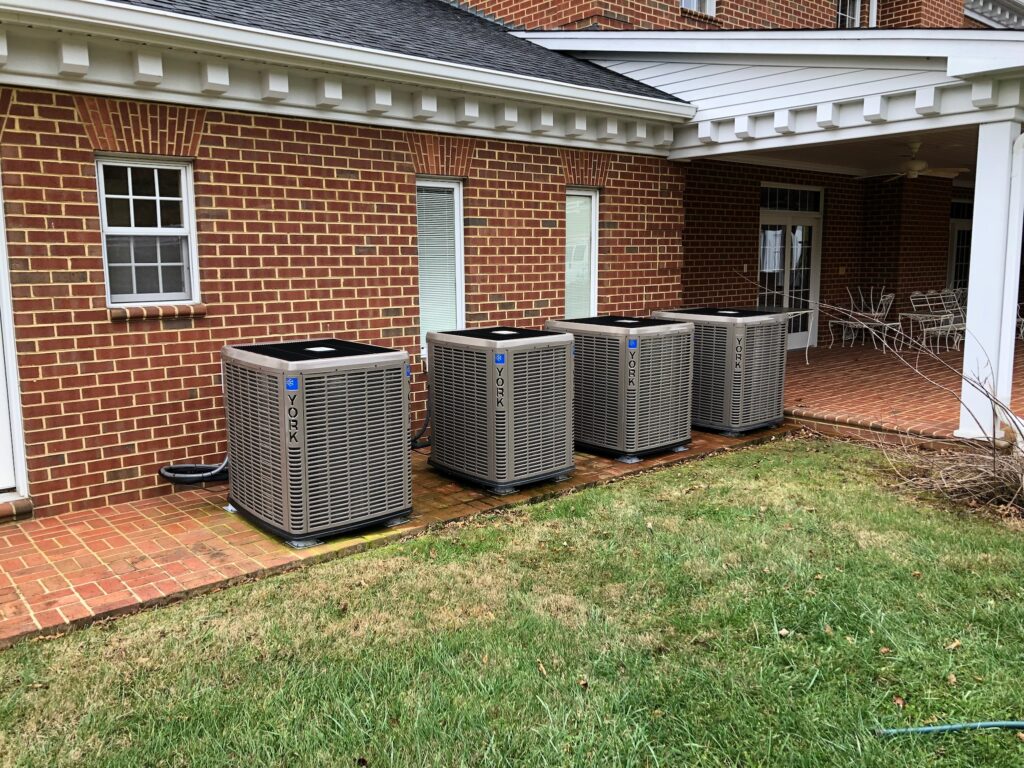
The outdoor unit, called the condenser in summer and the evaporator in winter, needs clear space on all sides. Remove leaves, sticks, grass clippings, and any other debris from the top and around the base. A minimum of two feet of open space on every side allows proper airflow through the coil. Trim back shrubs, tall grass, and tree branches that have grown close to the unit during summer. Debris that blocks airflow forces the fan motor to work harder and reduces the amount of heat the system can extract. Even a light layer of leaves on top of the unit creates measurable efficiency loss.
Gently rinse the outdoor coil with a garden hose to remove caked-on dirt and pollen. Spray from the inside out when possible, which pushes debris away from the fins rather than deeper into them. Avoid pressure washers, since high pressure bends the aluminum fins and damages the coil permanently. Bent fins restrict airflow and create hot spots that shorten the life of the unit. If the fins are already bent, a technician can straighten them with a fin comb during a maintenance visit. A clean coil is the single biggest factor in cold-weather heat pump performance.
Do not cover the outdoor unit with a tarp or a full wrap during the cooler months. Heat pumps are designed to operate in freezing weather, and they need airflow year-round. A full cover traps moisture against the coil, causes rust, and blocks the defrost cycle from working properly. If you want to keep leaves off the top, a breathable mesh cover sized for the top surface only is acceptable. Remove even the mesh cover before heating season begins. The outdoor unit was built for the elements, and it performs best when left uncovered.
Replace the Filter and Check Vents for the Cooler Months
A fresh air filter is the fastest, cheapest heat pump preparation step any homeowner can take. Check the filter at the start of fall, and replace it if it looks dusty or gray. Standard one-inch filters need replacement every thirty to sixty days during heavy heat pump use. Thicker four-inch or five-inch media filters can last three to six months depending on the household. Pet owners, large families, and homes with smokers should replace filters on the shorter end of each range. A dirty filter is the number one cause of frozen coils and airflow-related breakdowns.
Walk through the home and check every supply and return vent for blockages. Furniture, rugs, and curtains often shift during summer and end up covering registers. Closed or blocked vents increase static pressure in the ductwork, which stresses the blower motor. Every vent should have at least a few inches of clear space in front of it. Return vents in particular need unobstructed airflow so the system can pull enough air to heat. Vacuum the grilles to remove dust buildup that accumulates during the off-season.
Listen for unusual sounds when the heat pump runs for the first time in heating mode. Grinding, buzzing, or rattling points to mechanical problems that a technician needs to diagnose. A brief woosh from the reversing valve when the system changes modes is normal. Constant hissing or a loud hum is not normal and warrants a service call. Pay attention to how long the system runs and how often it cycles during mild fall days. Short cycling, long runtimes, and weak airflow all signal problems that are easier to fix in October than in January.

Schedule a Professional Heat Pump Tune-Up for the Cooler Months
A licensed HVAC technician performs checks that go beyond what homeowners can safely do themselves. The tune-up includes refrigerant pressure readings, electrical testing, and defrost cycle verification. A technician also measures temperature split across the indoor coil, which reveals airflow and charge issues. Loose electrical connections, weak capacitors, and worn contactors are common findings during fall inspections. Fixing these small items during a maintenance visit costs far less than an emergency repair in January. Most homeowners recover the cost of the tune-up in lower utility bills and avoided breakdowns.
The technician also lubricates moving parts, tightens fasteners, and cleans the condensate drain line. A clogged drain line backs up onto the furnace or air handler and causes water damage. Lubrication prevents squealing motors and reduces the energy needed to spin fan blades. The inducer motor, blower wheel, and indoor coil all receive attention during a complete tune-up. Heat pumps with accessible filter driers and sight glasses get extra diagnostic attention at the outdoor unit. Each of these checks catches problems before they grow.
Fall is the busiest season for HVAC companies, so scheduling early matters. Waiting until the first cold snap often means a longer wait for an appointment. Booking in September or early October gets you a convenient time slot and a thorough inspection. Ready to book your fall tune-up? Click here for our heat pump maintenance service. A small maintenance investment now prevents the most common cold-weather failures and keeps your home comfortable through the entire heating season.
Why You Need SWVA Mechanical for Heat Pump Cooler Months Preparation
Southwest Virginia winters demand a heat pump that is ready for the coldest nights of the year. SWVA Mechanical has prepared thousands of heat pumps for cooler months across Lebanon, Abingdon, Bristol, and the surrounding areas. Our licensed technicians follow a proven checklist that covers every component of your system. We find small issues before they become breakdowns, and we help homeowners lower their energy bills every winter. Local expertise, factory training, and a commitment to honest service set our team apart. Our goal is simple: a warm home and a fair bill.
Local Heat Pump Experience for the Cooler Months
Our technicians live and work in Southwest Virginia, and we understand the demands local winters place on heat pumps. Elevation changes, humidity levels, and overnight temperature swings all affect how a heat pump performs in this region. We tune each system to handle the specific conditions at your address, not a generic national average. That local knowledge means fewer callbacks and better winter comfort for our customers. Every technician on our team is background checked and drug tested for your peace of mind. Decades of combined industry knowledge show up in every service call we run.
We service every major heat pump brand, including Gree, Carrier, Trane, Lennox, Rheem, and many others. Our status as a Gree Select Dealer gives our customers twice the manufacturer warranty on qualifying installations. Parts availability, factory support, and product training keep our repair quality at a high level. Homeowners who choose SWVA Mechanical get a team that knows the equipment inside and out. That product knowledge translates to faster diagnoses and more reliable repairs. A local company with deep product expertise is the right partner for cooler months preparation.
Licensed, certified technicians handle every heat pump job from start to finish. We do not send apprentices alone, and we do not cut corners on safety or quality. Every visit includes a clean workspace, shoe covers when entering your home, and a clear explanation of the work performed. Our customers know exactly what was done and why before we leave the driveway. That transparency builds the kind of trust that keeps families coming back year after year. Heat pump preparation is a relationship, not a one-time transaction.
Energy-Efficient Heat Pump Service for the Cooler Months
SWVA Mechanical helps homeowners cut heating costs through smart maintenance and targeted upgrades. Our fall tune-ups consistently lower winter energy bills by improving system efficiency. We also recommend upgrades like smart thermostats, variable-speed blowers, and high-efficiency heat pumps when they make sense. Financing through Wisetack and Synchrony makes larger upgrades manageable on a monthly budget. Every recommendation comes with clear numbers showing expected savings and payback time. We want our customers to make informed decisions, not pressured ones.
Energy-efficient upgrades pay for themselves over the life of the equipment in most Southwest Virginia homes. A modern variable-speed heat pump uses forty to sixty percent less electricity than an older single-stage model. Smart thermostats further reduce runtime by learning household schedules and optimizing auxiliary heat. Our technicians walk homeowners through the math so there are no surprises on the utility bill. We also check for rebates and tax credits that reduce the upfront cost of qualifying equipment. Saving money on energy bills is a long-term benefit that starts with the right preparation.
Preparing for the cooler months is about more than one visit, and we build long-term relationships with our customers. Our maintenance plans keep your heat pump in top shape year after year with priority scheduling. Members also receive discounts on repairs and upgrades, which adds up over the life of the equipment. The result is a home that stays comfortable, a system that lasts longer, and bills that stay under control. That combination is why so many local families trust us with their heat pumps each fall.
Why Choose SWVA Mechanical for Heat Pump Cooler Months Service
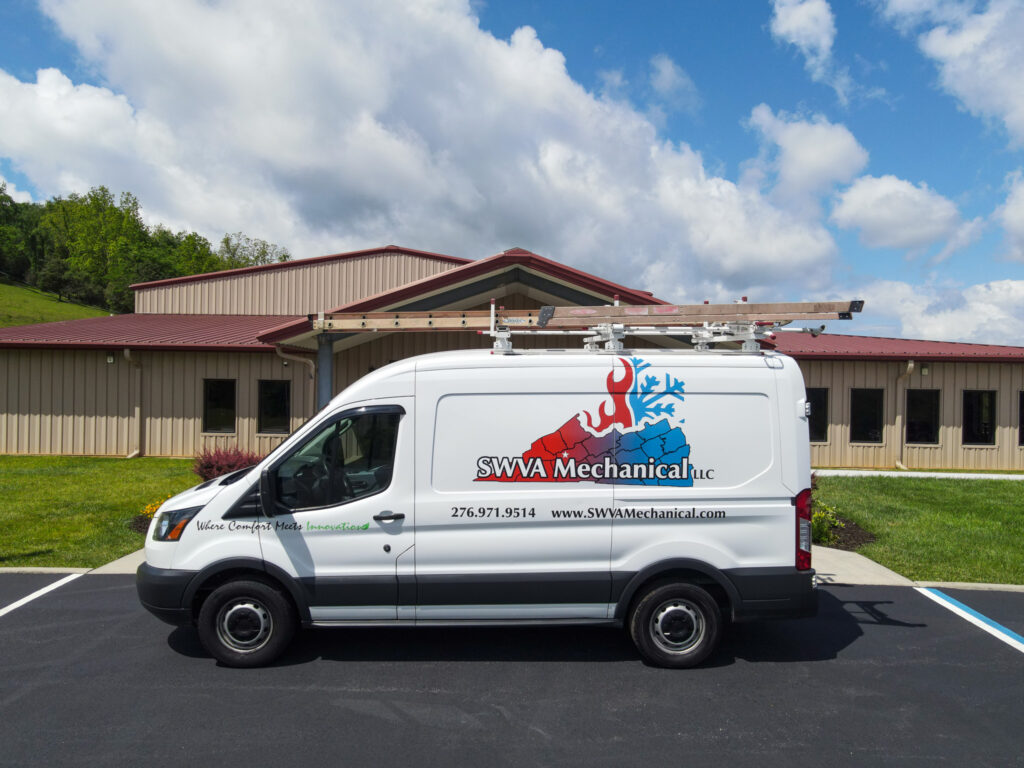
SWVA Mechanical is a locally owned and operated small business based in Lebanon, Virginia. We treat every customer like a neighbor because most of them are our neighbors. Our team takes pride in prompt, professional HVAC service that shows up on time and gets the job done right. Honest pricing, clear communication, and quality workmanship are the standards we hold ourselves to on every call. Those values have built our reputation across Southwest Virginia over many years of service.
Our technicians carry the certifications and experience needed to handle any heat pump brand or situation. From basic tune-ups to full system replacements, the same high standards apply to every job. We also back our work with warranties and follow up to make sure customers are satisfied. Emergency service is available when heat pump problems happen at the worst possible time. Want to know more about keeping your heat pump ready for winter? Click here for our heat pump repair service. A reliable local HVAC partner is the best investment you can make before the cooler months arrive.
Scheduling your heat pump preparation with SWVA Mechanical is simple and fast. Call our office at (276) 971-9514 or email Brian@swvamechanical.com to book your fall tune-up. Our team will work around your schedule to get your heat pump ready before the first hard freeze. Early scheduling means better appointment times and faster service when you need it most. Join the many Southwest Virginia families who count on us for reliable heat pump service every year. Cooler months are coming, and your heat pump deserves a team that cares about getting it right.