
You expect warmth when you turn on your heating system. The anticipation of hot air filling the room is a basic comfort during the chilling winters in Lebanon. Few things are more frustrating than standing over a vent and feeling a steady stream of cold air. It is a jarring experience that immediately raises concerns about the health of your system and the safety of your home. This issue is surprisingly common, but the causes range from simple setting errors to complex mechanical failures. Understanding the root of the problem is the first step toward restoring comfort to your home.
A furnace blowing cold air does not always mean a catastrophic breakdown. Sometimes the system is doing exactly what it was told to do. Other times it is protecting itself from damage. There are also instances where a component has failed and requires professional attention. Diagnosing this issue requires a systematic approach. You must look at the thermostat, the airflow, the fuel source, and the internal components of the furnace itself.
Check Your Thermostat Settings First
The most frequent cause of a furnace blowing cold air is also the easiest to fix. It often comes down to how the fan is set on your thermostat. Most modern thermostats have a switch for the fan with two main settings. These settings are usually labeled Auto and On. If you look at your thermostat and see the switch is set to On, you have likely found the culprit.
When the fan is set to On, the blower motor runs continuously. It runs even when the furnace burners are off and no heat is being produced. This means the fan circulates room temperature air throughout your house between heating cycles. The air coming out of the vents will feel cool to the touch because it is simply recirculating the existing air in the room. This setting is great for filtration, but it can be confusing in the winter.
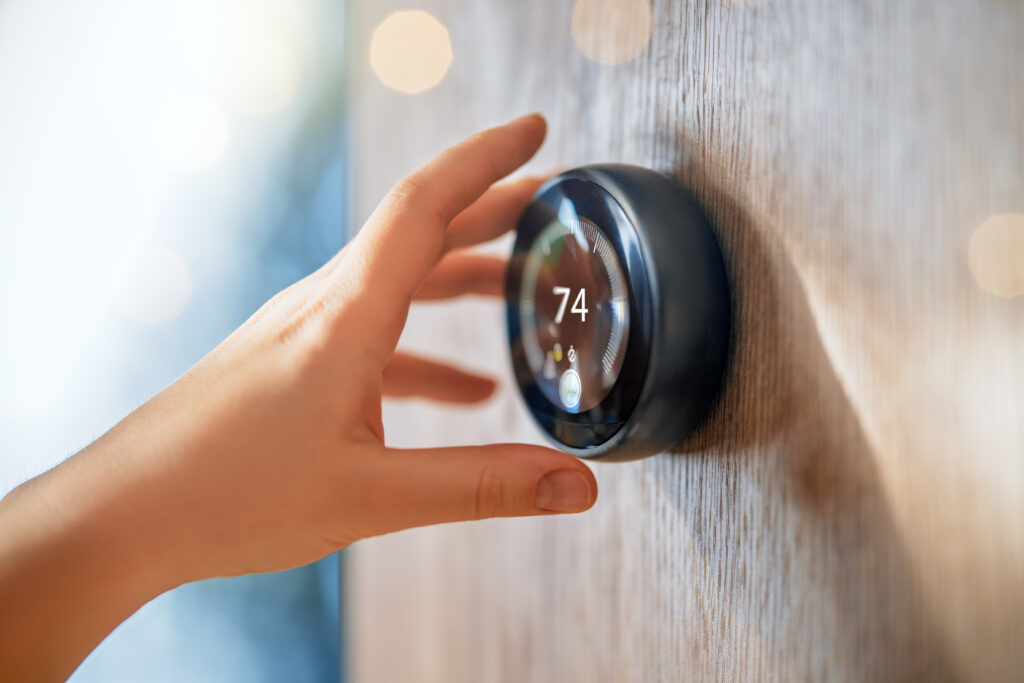
The Auto setting works differently. When set to Auto, the fan only turns on when the furnace is actively heating the air. The burners ignite, the heat exchanger warms up, and then the blower kicks on to distribute that warm air. Once the desired temperature is reached, the burners shut off, and the fan stops shortly after. This ensures that any air coming from your vents is warm. Switching your thermostat back to Auto is often all it takes to solve the complaint of cold air.
The Impact of a Dirty Air Filter
Airflow is the lifeblood of any forced air heating system. When that airflow is restricted, the entire system suffers. The air filter is designed to catch dust, dirt, and debris before they enter the furnace. Over time, this filter becomes clogged. A thick layer of dust acts like a wall. It prevents the blower from pulling enough fresh air into the system to be heated.
This restriction causes a chain reaction inside the furnace. The heat exchanger is the metal chamber where the air is heated. It relies on a constant stream of cool air moving over it to transfer heat into your home. If the filter blocks that air, the heat exchanger begins to overheat. It gets hotter and hotter because the heat has nowhere to go.
Need furnace maintenance? Click here for our furnace maintenance service.
Modern furnaces are equipped with a safety device known as a high limit switch. This switch monitors the internal temperature of the furnace. When the heat exchanger gets dangerously hot due to a lack of airflow, the limit switch trips. It shuts off the burners to prevent a fire or permanent damage to the heat exchanger. However, the blower fan often keeps running to help cool the unit down. The result is a furnace that is running but blowing cold air because the burners have been forced off. Replacing a dirty filter allows air to move freely again, keeping the internal components within their safe operating temperature range.
Pilot Lights and Electronic Ignition Failure
Older furnaces rely on a standing pilot light to ignite the burners. This small flame burns continuously. When the thermostat calls for heat, the gas valve opens, and the pilot light ignites the main burners. If this pilot light goes out, the gas valve will not open. The furnace will not produce any heat. However, the fan might still engage if the system is confused or if the fan limit switch is malfunctioning. Relighting a pilot light is sometimes simple, but a pilot that refuses to stay lit often indicates a bad thermocouple or a drafty environment.

Newer furnaces do not use a standing pilot light. They use electronic ignition systems. These are typically hot surface igniters or intermittent pilots. A hot surface igniter works like a lightbulb filament. It gets glowing hot to ignite the gas. These igniters are brittle and can burn out over time. If the igniter fails to glow, the gas will not ignite. The furnace safety controls will prevent the gas valve from opening to avoid a dangerous buildup of gas.
An intermittent pilot uses a spark to light a flame only when needed. If the spark is weak or the sensor is dirty, the flame will not establish. In both cases, the system fails to produce fire. The blower motor may still attempt to run or run for a short period as part of its cycle. This results in unheated air circulating through your vents. Diagnosing ignition failures requires a multimeter and specific knowledge of the furnace’s wiring sequence.
The Role of the Flame Sensor
Safety is the top priority in modern furnace design. The flame sensor is a critical safety component. It is a simple metal rod that sits in the path of the burner flame. Its only job is to confirm that a fire is actually burning when the gas valve is open. It does this by detecting the small electrical current that fire conducts.
When the gas valve opens and the burners ignite, the flame sensor heats up. It sends a signal to the control board confirming that ignition was successful. If the sensor does not detect a flame, the control board assumes the gas is flowing into the house without burning. This is a dangerous situation. To prevent an explosion or gas leak, the control board immediately shuts off the gas.
Flame sensors can become coated in carbon or oxidation over time. This buildup acts as an insulator. The flame might be burning perfectly, but the dirty sensor cannot detect it. The system will ignite for a few seconds and then shut down abruptly. The fan may continue to run during this lockout period. Cleaning a flame sensor is a precise task. Using the wrong abrasive material can ruin the coating on the rod, leading to a need for replacement. It is a small part that causes a major headache when it is dirty.
Fuel Supply Problems
A furnace cannot create heat without fuel. Gas furnaces rely on a steady supply of natural gas or propane at a specific pressure. If the supply is interrupted, the furnace cannot light. This might seem obvious, but it happens. A valve on the gas line leading to the furnace may have been accidentally bumped or turned off. If other gas appliances in your home, like a stove or water heater, are also not working, the issue is likely with the utility provider or your main supply line.
Pressure issues are more subtle. The gas valve inside the furnace is designed to regulate the flow of fuel to the burners. If the valve is faulty, it may not open fully. It might also fail to open at all. A stuck valve means no fuel reaches the combustion chamber. The furnace goes through its startup sequence, but without fire, it only circulates cool air.
Propane furnaces face an additional challenge in the winter. If the tank level gets too low, the pressure in the tank drops. This pressure drop can be severe enough that the furnace cannot operate, even if there is still some liquid propane left in the tank. Cold temperatures can also affect the pressure in outdoor propane tanks. Ensuring you have adequate fuel and that all valves are open is a basic troubleshooting step that should not be overlooked.
Leaking or Disconnected Ductwork
Sometimes the furnace is working perfectly. The burners are lit, the fan is blowing, and the air leaving the unit is hot. Yet, by the time the air reaches your bedroom or living room, it feels lukewarm or even cold. The problem in this scenario lies in the delivery system. Your ductwork is the series of metal or flexible tubes that carry air throughout your home.
Ducts often run through unconditioned spaces. In Lebanon, this means attics, crawl spaces, and unfinished basements. These areas are cold in the winter. If your ducts have large holes, loose connections, or tears, two things happen. First, the expensive warm air leaks out into the attic or crawl space. You are paying to heat the outdoors. Second, cold air from those unconditioned spaces gets sucked into the return ducts.
This process is called entrainment. The cold air mixes with the warm air stream. By the time the air reaches the supply vent, it has lost a significant amount of its thermal energy. It may feel like the furnace is blowing cold air, but in reality, the hot air is being diluted by freezing attic air. Sealing and insulating ductwork ensures that the heat your furnace produces actually makes it to your living space.
Condensate Line Blockages in High Efficiency Units
High efficiency furnaces are becoming more common in Virginia. These units are capable of extracting over 90 percent of the heat from the fuel. They do this by using a second heat exchanger to pull heat from the exhaust gases. This process causes the exhaust gas to cool down until it turns into a liquid. This liquid is acidic water known as condensate.
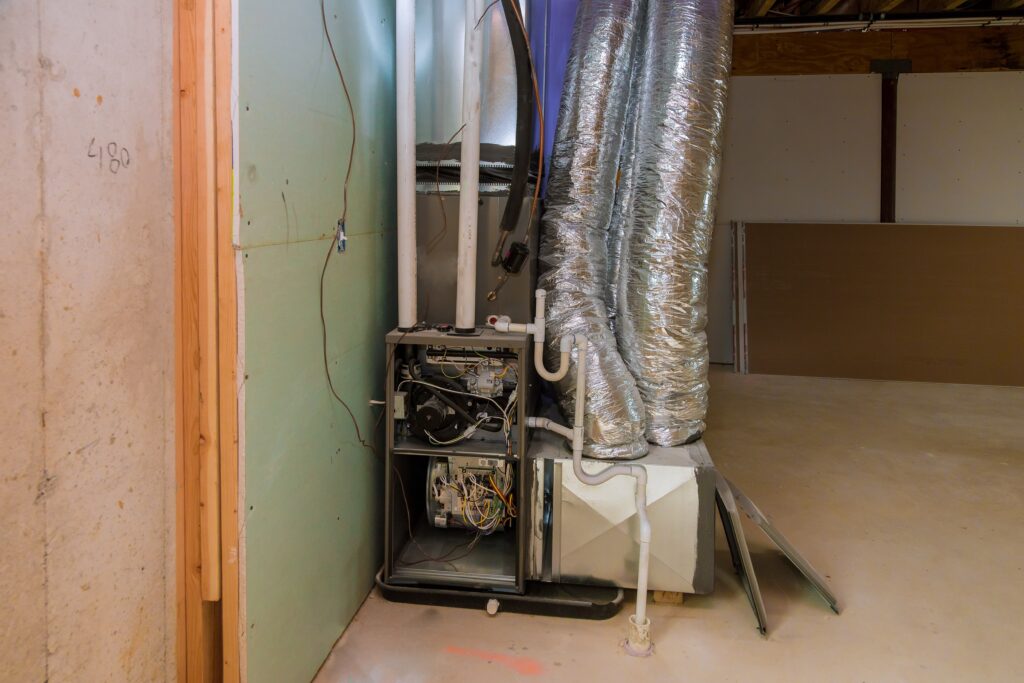
The furnace has a drain line to carry this water away. If this drain line becomes clogged with sediment, mold, or ice, the water backs up. The furnace has a sensor in the drain trap or pan. When it detects that the water is not draining, it shuts off the burners to prevent water damage to the unit and your home.
A frozen condensate line is a specific risk during extreme cold snaps if the line runs through an unheated space. The ice blocks the flow just like a physical clog. The furnace will try to start, the pressure switch will detect the blockage, and the system will shut down the heat. The blower may continue to run to purge the system, resulting in cold air blowing from the vents. Keeping these lines clear and protected from freezing is essential for high efficiency models.
Malfunctioning Limit Switch
We mentioned the limit switch earlier in the context of a dirty filter. However, the switch itself can also wear out. A limit switch is a mechanical component that expands and contracts thousands of times over its life. Eventually, it can become stuck or lose its calibration.
If the limit switch gets stuck in the open position, it tells the control board that the furnace is always too hot. The control board will refuse to turn on the burners. It will keeps the fan running continuously to try and cool down a heat exchanger that is already cold. This creates a continuous loop of cold air circulation.
Is your thermostat causing HVAC issues? Click here for more information.
A failing limit switch can also trip prematurely. It might shut off the burners before the house has reached the set temperature. This leads to short cycling, where the furnace turns on and off rapidly. The fan often runs for a brief period after the burners cut out, and if the burners cut out too soon, you notice the cool air more frequently. Replacing a limit switch requires a professional to ensure the new part matches the specific temperature rating of your furnace.
The Warm Up Period
It is important to understand the normal operation of your heating system. When a furnace first turns on, the air inside the ducts is cold. The air inside the furnace plenum is also cold. The blower fan pushes this standing air out of the vents before the newly heated air arrives. This results in a brief burst of cool air at the start of every cycle.
This is normal. It usually lasts for only a few seconds or up to a minute. If you feel cold air for a moment followed by warm air, there is likely no issue. However, some systems have a fan delay setting on the control board. This setting determines how long the blower waits to turn on after the burners ignite. If this delay is set too short, the fan starts before the heat exchanger is hot. Adjusting this timing can improve comfort by allowing the furnace to build up heat before moving the air.
Heat pumps operate differently than gas furnaces. The air coming from a heat pump is naturally cooler than the scorching hot air from a gas burner. It is typically around 90 to 95 degrees, which is warmer than the room but cooler than your body temperature. This can make the air feel cool to the touch even when it is heating your home effectively. This is a characteristic of the technology and not necessarily a malfunction.
A furnace blowing cold air is a clear signal that something is amiss with your home’s heating system. It disrupts your comfort and can lead to higher energy bills or further damage if left unaddressed. The causes vary widely. A simple switch on the thermostat might be the answer. A dirty air filter could be choking the system. More serious internal failures like a bad igniter, a dirty flame sensor, or a faulty limit switch require technical expertise to diagnose and repair. Even the ductwork hidden in your attic plays a major role in the temperature of the air you feel.
Ignoring the problem will not make it go away. The cold air is a symptom of a system that is struggling. Taking the time to check the basics like your filter and thermostat is a smart first move for any homeowner. When those steps do not solve the issue, professional intervention is the most direct path to restoring warmth. A qualified technician can trace the problem to its source, ensuring your furnace operates safely and efficiently. You deserve a warm home during the Lebanon winter. Addressing these issues promptly ensures your heating system remains a reliable source of comfort for you and your family.