
Owning a home standby generator in Lebanon is about more than just convenience; it is a critical strategy for maintaining safety and comfort during the unpredictable weather of Southwest Virginia. When a winter storm or a summer thunderstorm knocks out the local grid, you rely on that machine to fire up automatically and keep your HVAC system, refrigerator, and lights running. However, like any piece of complex machinery, a generator eventually reaches a point where its reliability is called into question. As a homeowner, you are often faced with a difficult choice: do you continue to invest in repairs for an aging unit, or is it time to consider a complete replacement?
This decision is not always straightforward. A generator is a significant investment, and the desire to extend its life for as long as possible is understandable. On the other hand, the primary value of a generator is the peace of mind it provides. If you can no longer trust your unit to start when the power goes out, it has essentially lost its primary function. Determining the right path involves weighing several factors, including the age of the unit, the frequency of recent breakdowns, and the evolving power needs of your household.
Assessing the Age of Your Standby Generator
The age of your generator is one of the most reliable indicators of whether you should repair or replace it. Most high quality standby generators, such as those manufactured by Generac, are designed to last between twenty and thirty years, or roughly 1,500 to 3,000 hours of operation. If your unit is approaching the two decade mark, it is entering the final stage of its functional life. While it may still be running, the internal components have likely experienced significant wear and tear from years of self testing and supporting your home during outages.
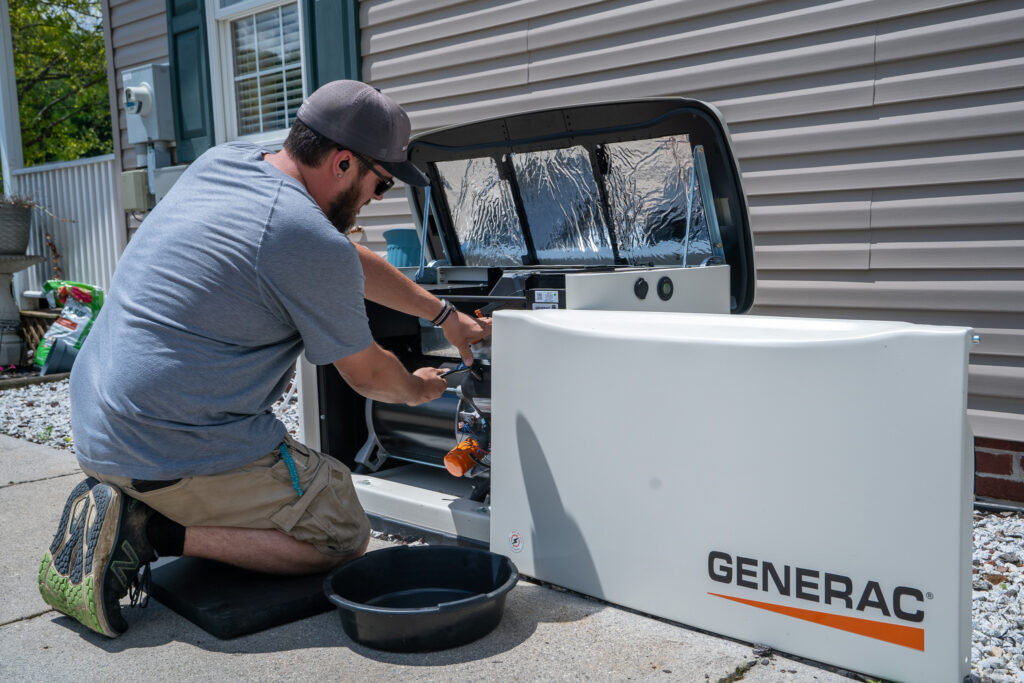
As a generator hits the fifteen to twenty year range, finding replacement parts can become increasingly difficult. Manufacturers eventually phase out parts for older models, which can turn a relatively simple repair into a long and expensive search. If your technician informs you that a necessary component is discontinued or must be sourced from a specialty supplier, it is a strong signal that the system is reaching obsolescence.
Technology has also advanced significantly over the last decade. Modern generators are more fuel efficient, quieter, and offer sophisticated remote monitoring features that older models lack. If your current unit is nearing the end of its expected lifespan, the cost of a major repair might be better spent on a new system that offers improved performance and a fresh manufacturer warranty. Investing thousands of dollars into a twenty year old engine is often just delaying the inevitable.
Evaluating Repair Costs and Frequency
A common rule used by professionals in the industry is the fifty percent rule. If the cost of a single repair exceeds fifty percent of the price of a brand new generator, replacement is almost always the more logical choice. This is especially true for major mechanical issues, such as a failed engine or a damaged alternator. These are the core components of the machine, and once they begin to fail, other parts are likely soon to follow.
Need a generator repair? Click here for our generator repair service.
The frequency of repairs is just as important as the cost of a single visit. If you find yourself calling for service every time the generator runs a weekly exercise cycle, the cumulative costs will quickly add up. A generator that requires constant attention is no longer a reliable backup power source; it has become a maintenance burden. Frequent small repairs are often symptoms of deeper, underlying issues that will eventually lead to a total system failure.
Reliability is the most important factor to consider. If your generator has failed to start during the last few power outages, it is no longer providing the security you paid for. In Southwest Virginia, where winter temperatures can lead to frozen pipes if your heating system loses power, you cannot afford to have a backup system that is hit or miss. If the repairs are not resulting in a consistently reliable machine, it is time to stop pouring money into an old unit and invest in a new installation.
Changes in Your Household Power Requirements
Your home’s electrical needs today may be very different from what they were when your current generator was first installed. Over the years, many homeowners in Lebanon add new appliances, finish basements, or install more powerful HVAC systems. If you have recently upgraded to a larger heat pump or added a high draw appliance like a hot tub or a new electric range, your existing generator may no longer be sized correctly to handle the load.

An undersized generator is a serious problem. When the power goes out and the automatic transfer switch engages, the generator may immediately stall or overheat as it struggles to meet the demand of your home. Running a generator at its maximum capacity for extended periods causes extreme heat buildup and accelerates the wear on the engine and electrical components. If your home has outgrown its generator, no amount of repair will make the unit capable of safely powering your entire property.
If you are experiencing issues like flickering lights or frequent system shutdowns when the generator is running, it is likely a sizing issue rather than a mechanical failure. In these cases, a replacement is the only viable solution. Upgrading to a modern, correctly sized unit ensures that your entire home, including your critical heating and cooling systems, remains functional without the risk of overloading the generator.
Visible Physical Deterioration and Corrosion
Since standby generators are installed outdoors, they are constantly exposed to the elements. In Lebanon, this means dealing with heavy snow, ice, humidity, and varying temperatures. Over time, the protective enclosure can begin to deteriorate. While some surface rust is purely cosmetic, significant corrosion can compromise the structural integrity of the unit and lead to internal damage.
Want to know the financing when buying a generator? Click here for more information.
If you notice that the enclosure has rusted through or that water is leaking into the internal compartments, it is a major red flag. Moisture is the enemy of electrical systems. Once water or pests find their way inside the housing, they can cause short circuits, corrode wiring, and damage sensitive control boards. If the physical structure of the generator is failing, it is often a sign that the internal components have also been exposed to harsh conditions.
Excessive noise and vibration during operation are also physical indicators of trouble. If your generator sounds significantly louder than it used to, or if it vibrates so much that it is moving on its mounting pad, there may be internal misalignment or bearing failure. These issues can be expensive to diagnose and fix. If the unit is showing signs of both physical decay and mechanical struggle, it is usually more cost effective to replace the entire system with a new, corrosion resistant model.
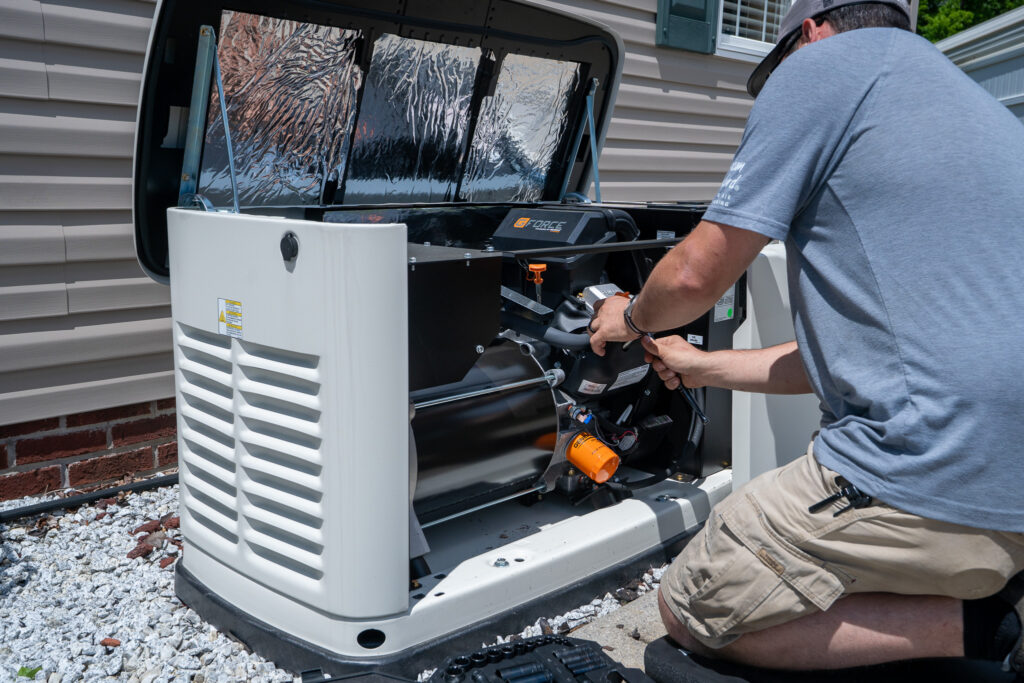
Choosing whether to repair or replace your home generator is a decision that impacts your home’s safety and your financial well being. While minor issues like a dead battery or a clogged filter are easily resolved through routine maintenance, major mechanical failures and recurring breakdowns are signs of a system in decline. By considering the age of your unit, the escalating costs of repairs, and your home’s current power demands, you can make an informed choice that ensures you are never left in the dark.
A generator is meant to be a silent protector, a machine that sits ready to serve at a moment’s notice. When that reliability fades, the value of the machine fades with it. For many homeowners in Lebanon, the transition to a new, high efficiency Generac system provides a fresh start with modern features and the assurance that the heat will stay on when it matters most. Professional technicians can help you evaluate the health of your current unit and provide an honest assessment of whether a repair is a sound investment or if it is time for an upgrade.
Ultimately, the goal is to have a backup power solution that you don’t have to worry about. Whether you decide to proceed with a necessary repair or choose to invest in a new installation, staying proactive with your generator’s health is the best way to protect your home. Southwest Virginia winters can be unforgiving, but with a reliable and well maintained generator, you can face any storm with confidence, knowing your home will remain a warm and safe sanctuary for your family.