
Cold weather puts serious stress on outdoor HVAC equipment, and proper winterization protects your investment for years to come. Spring rains, falling leaves, and freezing temperatures can damage condenser coils, fan blades, and electrical components when left unaddressed. Homeowners across Southwest Virginia rely on their heating systems during the coldest months, which means the cooling side of the system sits idle and vulnerable. Taking the right steps before temperatures drop keeps your unit safe from ice, debris, and moisture damage. A properly winterized outdoor HVAC unit starts up smoothly when warmer weather returns. This guide walks through every step you need to prepare your equipment for winter.
Why Winterizing an Outdoor HVAC Unit Matters for Homeowners
Outdoor HVAC units face harsh conditions throughout the winter months in Virginia. Snow, ice, sleet, and freezing rain can seep into sensitive components and cause corrosion or cracking. Falling branches, leaves, and other debris can clog the fan and damage fins on the condenser coil. Winterizing your unit creates a protective barrier against these threats. The process also gives you a chance to catch small issues before they become expensive repairs. Most importantly, a winterized unit saves you money on energy bills and future service calls.
The Financial Benefits of Winterizing an Outdoor HVAC Unit
Winterizing your outdoor HVAC unit directly impacts your household budget in several ways. A protected condenser lasts longer, which delays the cost of replacing the entire system. Most outdoor units cost thousands of dollars to replace, so extending the lifespan by even a few years provides major savings. Units that skip winterization often develop rust on the coils, which reduces efficiency and drives up cooling costs the following summer. You also avoid emergency repair bills caused by frozen components or debris damage. Insurance claims for HVAC damage can raise your premiums, so prevention keeps costs low.
Skipping winterization leads to small problems that grow into major expenses. Water that freezes inside the unit can crack refrigerant lines, which requires professional repair and recharging. Ice buildup on the fan blades can bend them out of shape and throw off the motor balance. Corrosion on electrical connections causes shorts and breakdowns when the system starts up in spring. Each of these issues costs hundreds or even thousands of dollars to fix. A simple winterization routine takes minimal time and prevents these outcomes.
Energy efficiency also ties directly to winter protection. Clean coils transfer heat more efficiently, which means your air conditioner uses less electricity during the cooling season. Dirt and grime that accumulate over winter reduce airflow and force the compressor to work harder. A winterized unit arrives at spring in the same condition you left it in fall. That translates to lower utility bills and fewer surprises on your monthly statements. Protecting your unit also preserves the manufacturer warranty in many cases.

The Safety Benefits of Winterizing an Outdoor HVAC Unit
Winterizing an outdoor HVAC unit protects your family and home from hidden hazards. Damaged electrical components inside the unit can create fire risks when power flows through corroded wires. Ice buildup can cause the unit to tip or fall, especially if the pad underneath shifts during freeze and thaw cycles. A stable, protected unit stays grounded and safe throughout the season. Regular inspection during winterization catches warning signs like exposed wiring or loose panels. These small checks prevent dangerous situations before they escalate.
Refrigerant leaks pose another safety concern when outdoor units are not properly prepared for winter. Freezing temperatures can crack lines and release refrigerant into the air around your home. While modern refrigerants are less harmful than older types, leaks still damage the environment and your system. A cracked line also means your air conditioner will not cool properly when summer returns. Catching these issues early through winterization keeps refrigerant contained and your system running safely. Professional maintenance includes leak detection as part of the process.
Debris around the unit creates tripping and impact hazards for anyone near the equipment. Branches, ice chunks, and snow piles can fall on the unit or on people walking past. Clearing the area as part of winterization reduces these risks significantly. A clean space around the condenser also gives technicians safe access for any needed repairs. Families with children or pets benefit from a tidy, secure equipment area. Safety starts with preparation, and winterization is one of the easiest ways to achieve it.
The Long-Term Benefits of Winterizing an Outdoor HVAC Unit
Long-term reliability depends on how well you care for your outdoor HVAC unit each winter. Units that receive annual winterization routinely last fifteen to twenty years or longer. Neglected systems often fail within ten years, leaving homeowners with unexpected replacement costs. Consistent care compounds over time, protecting every internal component from gradual wear. The compressor, fan motor, and coils all benefit from seasonal protection. Your entire cooling system stays dependable year after year.
Manufacturer warranties often require proof of regular maintenance, including seasonal preparation. Skipping winterization can void coverage and leave you paying full price for repairs that should be covered. Keeping records of professional maintenance protects your warranty rights. Many homeowners only discover this requirement after a major breakdown, which is too late. Annual service documentation from a licensed HVAC company satisfies most warranty terms. This paperwork also helps during home sales, as buyers appreciate well-maintained systems.
Resale value improves when your HVAC system has a documented history of care. Home inspectors note the condition of outdoor units during property evaluations. A clean, protected condenser signals to buyers that the home has been well maintained overall. Neglected equipment raises red flags and can lower offers or derail sales entirely. Winterization is a small investment that pays off when it comes time to sell. Protecting your equipment protects your property value.
Need help winterizing your outdoor HVAC unit? Click here for our air conditioning maintenance service.
Step by Step Guide to Winterizing an Outdoor HVAC Unit
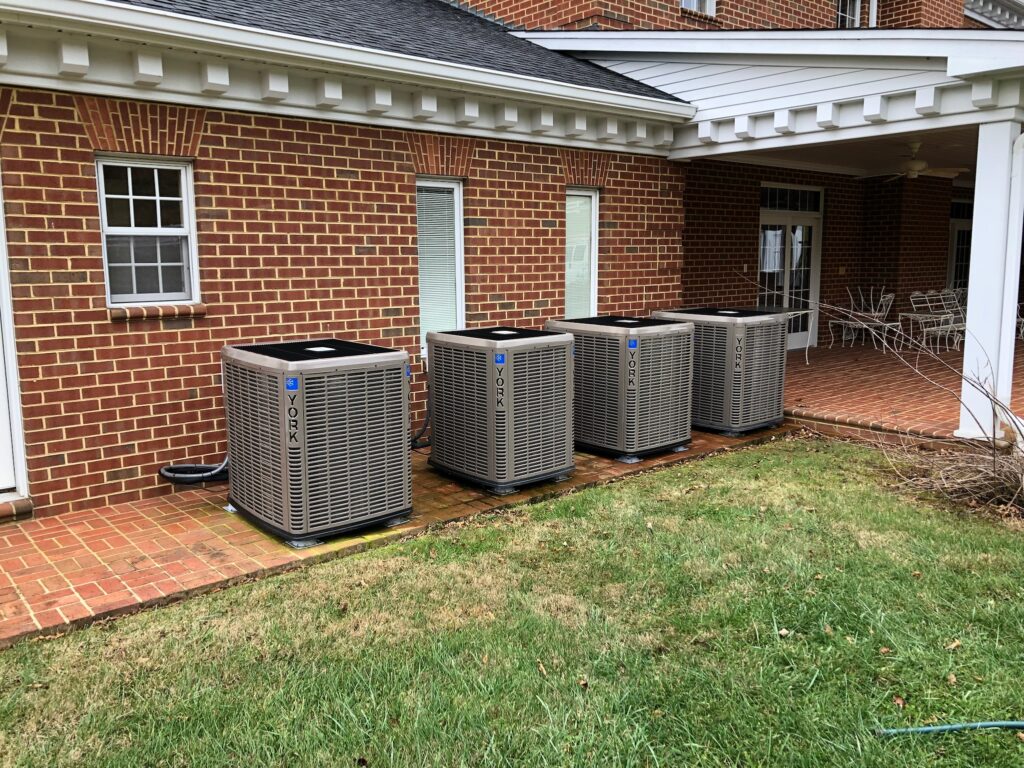
Winterizing an outdoor HVAC unit follows a clear sequence of steps that anyone can understand. The process starts with shutting off power and ends with a final inspection before winter arrives. Each step addresses a specific threat, from moisture to debris to pest intrusion. Skipping any part of the process leaves your unit vulnerable in that area. Taking your time and following the full sequence ensures complete protection. Professional technicians use this same approach on every service call.
Preparing Your Outdoor HVAC Unit for Cold Weather
The first step in winterizing an outdoor HVAC unit involves cutting power at the disconnect box. This box usually sits on an exterior wall near the condenser, and it features a handle or switch that isolates the unit from the home’s electrical system. Turning off power prevents the system from accidentally running in freezing temperatures, which could cause the compressor to seize. It also keeps you safe while working around the equipment. Always confirm the power is off before touching any internal components. A simple test with a voltage meter provides extra peace of mind.
After disconnecting power, clean the area around the unit thoroughly. Remove fallen leaves, twigs, grass clippings, and any other debris within a two foot radius. Trim back bushes, vines, or tree branches that hang over or touch the unit. Debris trapped against the condenser holds moisture and accelerates corrosion. A clean perimeter also reduces the chance of pests making a home inside the unit. Rake the ground around the pad to remove any buildup that collected during fall.
Wash the outside of the unit with a garden hose to remove dirt, pollen, and grime from the coil fins. Use gentle water pressure to avoid bending the delicate aluminum fins. A specialized coil cleaner can help with stubborn buildup, and most home improvement stores carry these products. Allow the unit to dry completely before moving to the next step. Any trapped moisture can freeze and cause damage during winter. Clean coils also perform better when spring arrives and cooling season begins.
Covering and Protecting Your Outdoor HVAC Unit Properly
Covering an outdoor HVAC unit requires the right materials and technique to avoid causing more harm than good. Never wrap the unit completely in plastic or a tarp, as this traps moisture and encourages rust. Instead, use a breathable cover designed specifically for HVAC equipment. These covers allow air to flow while blocking rain, snow, and debris. Many manufacturers offer covers sized for their specific models. A proper cover extends the life of your condenser significantly.
Position the cover so it protects the top of the unit without extending all the way to the ground. Covering only the top prevents falling icicles, snow, and debris from damaging the fan blades and coil. Leaving the sides open allows moisture to escape and pests to find alternative shelter. Secure the cover with bungee cords or straps designed for outdoor use. Check the cover periodically throughout winter to make sure it stays in place. Wind can shift coverings and expose the unit to weather.
For homeowners in areas with heavy snowfall, consider adding a plywood sheet on top of the cover. This extra layer protects against ice chunks falling from the roof and heavy snow loads. Weight the plywood down with a brick or rock to keep it secure. Avoid stacking materials too high, as this can trap moisture or create pest habitats. The goal is simple, effective protection without overcomplicating the setup. A well-covered unit stays safe all winter long.

Final Inspection and Ongoing Maintenance of Your Outdoor HVAC Unit
After covering the unit, walk around the entire setup and check for any last issues. Look at the refrigerant lines running from the unit to the house, and make sure the insulation is intact. Damaged or missing insulation leads to energy loss and potential freezing. Replace any cracked or peeling line insulation with new foam sleeves available at hardware stores. Check the pad underneath the unit for cracks or settling that could cause the unit to tilt. A level unit operates more efficiently and drains properly.
Throughout winter, visit the unit every few weeks to check on its condition. Clear away any snow piled around or on top of the cover. Look for signs of pest activity, such as nesting materials or droppings near the unit. Rodents and insects often seek shelter in HVAC equipment during cold months. Address any issues promptly to prevent damage to wiring or components. A quick monthly check takes only a few minutes but catches problems early.
Document your winterization process with photos and notes for future reference. Tracking what you did and when helps you stay consistent year after year. Share this information with your HVAC technician during spring maintenance visits. Professionals appreciate homeowners who take an active role in system care. This partnership extends the life of your equipment and reduces emergency calls. Consistent winterization becomes a habit that protects your investment for decades.
Want to schedule professional air conditioning service? Click here for our air conditioning repair service.
Why You Need Professional Help Winterizing Your Outdoor HVAC Unit
Professional winterization goes beyond what most homeowners can accomplish on their own. Licensed HVAC technicians bring specialized tools, training, and experience to every service call. They spot issues that untrained eyes miss, from subtle refrigerant leaks to early signs of compressor wear. A professional visit also creates a documented maintenance record that protects your warranty. SWVA Mechanical serves homeowners throughout Southwest Virginia with expert winterization services. Partnering with a trusted local company keeps your system running reliably.
The Expertise That Comes With Professional HVAC Winterization
Licensed HVAC technicians train for years to understand every aspect of outdoor unit care. They know how different brands, models, and ages of equipment respond to winter conditions. This knowledge allows them to customize winterization for your specific system. A technician recognizes warning signs that signal larger problems, like unusual wear patterns or faint refrigerant odors. Catching these issues during winterization saves homeowners from emergency repairs later. Expertise translates directly to better outcomes for your system.
Professionals use calibrated tools that measure refrigerant pressure, electrical resistance, and component temperatures. These measurements reveal the true condition of your system beyond what visual inspection shows. Homeowners typically lack access to this equipment, which limits their ability to assess hidden issues. Professional assessments catch small problems before they grow. This proactive approach reduces total maintenance costs over the life of the system. Accurate diagnostics are the foundation of good HVAC care.
Training also covers the latest refrigerants, efficiency standards, and safety protocols. HVAC technology changes constantly, and professionals stay current through ongoing education. This ensures your winterization meets current best practices and code requirements. DIY winterization based on outdated advice can miss important steps or create new problems. Working with a professional guarantees modern, effective care for your equipment. Your system benefits from the latest industry knowledge every time.
The Thoroughness of Professional Outdoor HVAC Unit Winterization
A professional winterization service covers every component of the outdoor unit systematically. Technicians inspect the compressor, fan motor, capacitor, contactor, and electrical connections. They clean the coils with commercial-grade products that restore efficiency beyond what household cleaners achieve. The refrigerant lines receive a full inspection, and insulation gets replaced where needed. Professionals also verify that the unit sits level on its pad and drains correctly. This comprehensive approach leaves no vulnerability unaddressed.
Pest prevention is another area where professionals add value to winterization. Technicians know where rodents and insects typically enter HVAC equipment and how to seal these points. They apply deterrents that discourage nesting without harming the unit or the environment. A pest-free system avoids chewed wires, blocked components, and unsanitary conditions. Homeowners often overlook these entry points during DIY winterization. Professional attention keeps pests out all season long.
Documentation provided by professional services benefits homeowners in multiple ways. Service reports detail what was done, what was found, and what may need attention in the future. This paperwork supports warranty claims and provides peace of mind. It also helps when selling the home, as buyers appreciate detailed maintenance records. Professionals maintain consistent documentation standards that DIY efforts rarely match. Good records protect your investment long after the service ends.
Why Choose SWVA Mechanical for Your Outdoor HVAC Unit Winterization
SWVA Mechanical brings decades of industry knowledge to every winterization service in Southwest Virginia. Our technicians are licensed, certified, background checked, and drug tested for your safety and peace of mind. We serve Lebanon, Abingdon, Bristol, Norton, Wise, and surrounding communities with prompt, professional service. Our team understands the specific weather challenges facing Virginia homeowners each winter. Every service call follows a proven process that protects your equipment thoroughly. Choosing a local company means faster response times and personalized care.
We are a Gree Select Dealer, which means we offer twice the standard warranty on qualifying equipment. Our energy-efficient HVAC upgrades help customers save money on utility bills year-round. Financing is available through Wisetack and Synchrony, which makes maintenance and upgrades affordable. Locally owned and operated, we understand the needs of our community members. Our commitment to ethics means we provide honest assessments and fair pricing on every job. You get quality work without upselling or unnecessary services.
Contact SWVA Mechanical today at (276) 971-9514 to schedule your outdoor HVAC unit winterization. Our team is ready to protect your investment before the coldest weather arrives. Visit us at 72 West Main St in Lebanon, VA, or email Brian@swvamechanical.com for questions or quotes. We take pride in serving our neighbors with reliable, professional HVAC care. Trust the local experts who treat your home like our own. Winter is coming, and SWVA Mechanical is ready to help you prepare.