
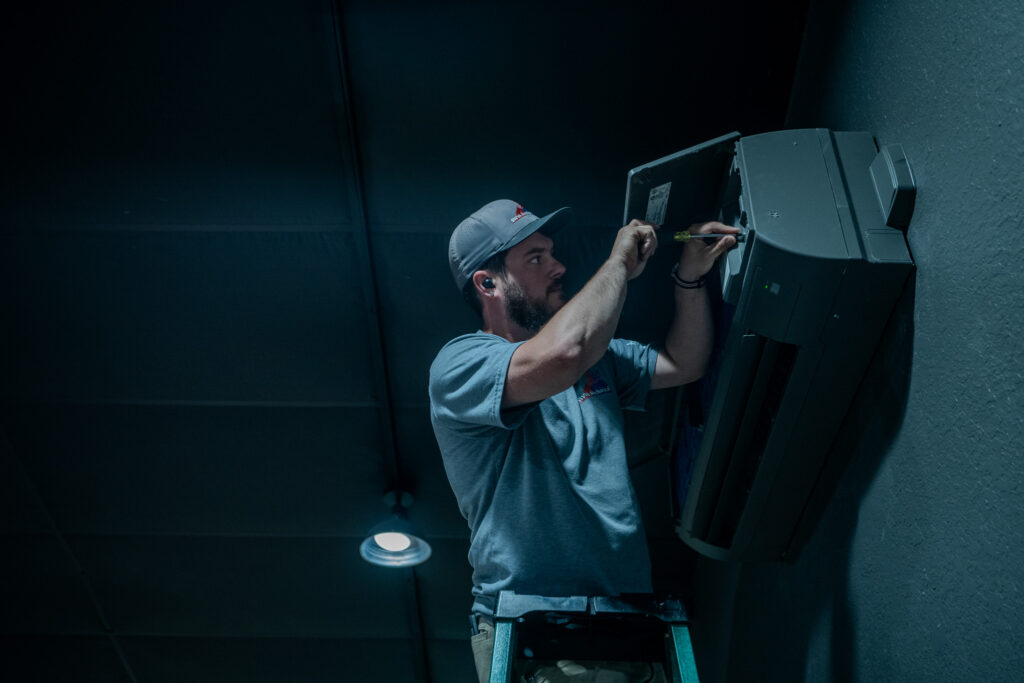
Mini split systems work hard through a Southwest Virginia winter, and cold snaps can push them to their limits. When temperatures drop into the teens or single digits, many homeowners notice their mini split blowing cool air, shutting down, or struggling to keep rooms warm. The good news is that most of these issues have clear causes and clear fixes. Understanding how your mini split responds to cold weather helps you decide when to troubleshoot yourself and when to call a professional. SWVA Mechanical services mini split systems across Lebanon, Abingdon, Bristol, and the surrounding areas, and we see these cold weather problems every winter.
Common Reasons a Mini Split Stops Heating in Winter
A mini split relies on refrigerant to pull heat from outdoor air and move it inside, even when it feels freezing outside. When the outdoor unit gets buried in snow, ices over, or runs low on refrigerant, the heating process breaks down. Electrical faults, dirty filters, and aging components can also cause your mini split to lose heating power when you need it most. Some issues are simple DIY fixes; others require licensed technicians with the right tools and training. Knowing the difference saves you time, money, and a cold night in the house.
Defrost Cycle Problems That Stop Mini Split Heating
Every mini split heat pump runs a defrost cycle in cold weather to melt frost off the outdoor coil. During this cycle, the system temporarily reverses and blows cool air indoors for several minutes. This is normal, but when the defrost cycle fails or runs too often, your mini split stops heating effectively. A faulty defrost sensor, a stuck reversing valve, or a control board issue can keep the outdoor unit iced over. Once the coil is blocked with ice, the system cannot absorb heat from the outdoor air.
You might notice thick ice building up on the outdoor coil, icicles hanging from the unit, or the fan struggling to spin. These are signs the defrost cycle is not working correctly. Running the system in this condition puts strain on the compressor and can lead to expensive damage. Never chip away at the ice with tools, because you can puncture the coil and release refrigerant. Turning the unit off and letting it thaw naturally is the safest short-term step.
A trained technician can test the defrost sensor, inspect the reversing valve, and check the control board for fault codes. These repairs require proper diagnostic equipment and a solid understanding of heat pump operation. If your outdoor unit ices over repeatedly, the problem will not fix itself and usually gets worse with each cold spell. Need mini split repair? Click here for our mini split repair service. Catching defrost issues early keeps your heating running through the coldest weeks of winter.
Low Refrigerant Causes Mini Split Heating Failure
Refrigerant is the working fluid that moves heat from outside to inside your home. When a mini split loses refrigerant through a leak, its heating capacity drops sharply, especially in cold weather. Low refrigerant levels force the compressor to run longer and harder, and eventually the system cannot pull enough heat from cold outdoor air. You may notice the indoor unit blowing lukewarm air, longer run times, or higher electric bills. Ice forming on the refrigerant lines is another common warning sign.
Refrigerant does not get used up like fuel; if levels are low, there is a leak somewhere in the system. Common leak points include flare connections, the outdoor coil, and the indoor evaporator. Virginia temperature swings cause metal components to expand and contract, which can loosen fittings over time. A small leak that seems harmless in summer often becomes a heating failure in January. Topping off refrigerant without fixing the leak is a short-term patch that wastes money.
Only EPA-certified technicians can legally handle refrigerant, and proper leak detection requires specialized tools. A technician will pressure test the system, locate the leak, repair the joint or component, and recharge the unit to factory specifications. Skipping the leak repair and just adding refrigerant violates EPA rules and leads to repeat service calls. If your mini split is not heating like it used to, refrigerant issues are one of the first things to check. Professional diagnosis protects your investment and your comfort.
Dirty Filters and Blocked Airflow Stop Mini Split Heat
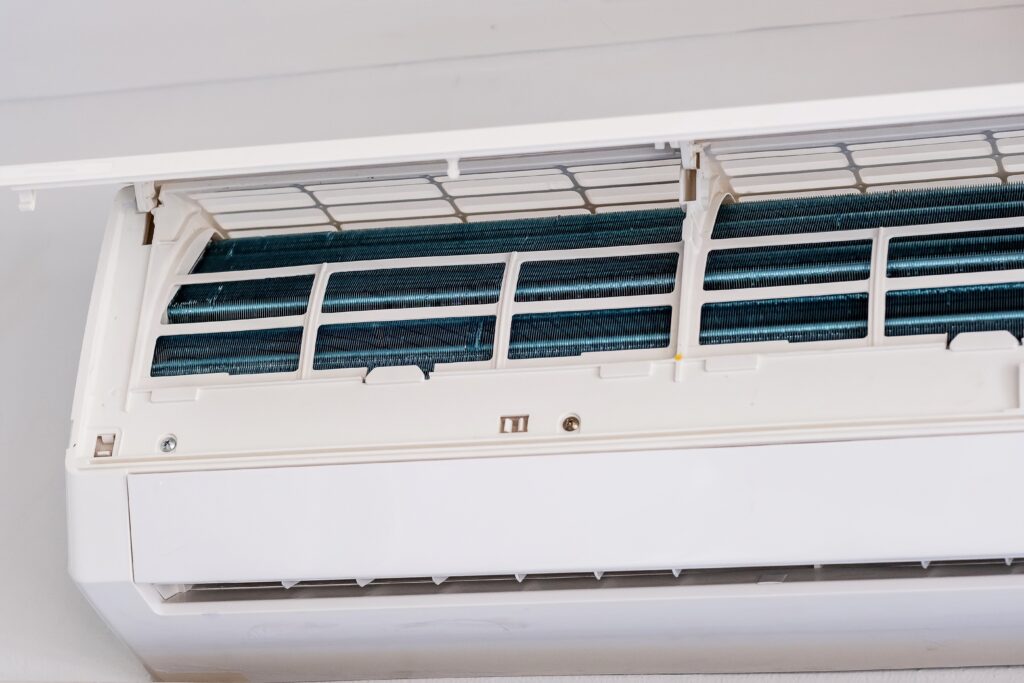
The indoor head of a mini split pulls air across a filter and over a coil to deliver warm air into the room. When that filter clogs with dust, pet hair, or cooking grease, airflow drops and heating performance suffers. Reduced airflow across the coil causes the refrigerant to behave incorrectly and can trigger the system to shut down on safety. You might see warning lights flashing on the indoor unit or feel weak airflow from the vents. In extreme cases, the indoor coil can freeze, which mimics a refrigerant problem.
Most mini split filters are washable and should be cleaned every two to four weeks during heavy use. Pull the front cover open, slide the filters out, rinse them in lukewarm water, and let them dry fully before reinstalling. Skipping this simple step is one of the most common reasons we get service calls for a mini split that stopped heating. Homes with pets, woodstoves, or heavy cooking build up debris faster and need more frequent cleaning. A clean filter protects the coil, the blower motor, and the electronics inside the head.
Beyond the filter, the outdoor unit needs clear space to breathe. Snow drifts, leaves, and ice buildup around the outdoor coil block airflow and reduce heating capacity. Keep at least two feet of clearance around the outdoor unit and gently brush off snow after storms. If airflow problems continue after cleaning, the blower wheel or fan motor may need service. Want routine service to prevent breakdowns? Click here for our mini split maintenance service.
How Cold Weather Affects Mini Split Performance
Mini splits are rated to produce heat down to certain outdoor temperatures, and every model has a balance point where efficiency drops. In Southwest Virginia, winter lows can dip well below the range where standard heat pumps work their best. Understanding how your specific unit handles cold weather helps set realistic expectations and prevents unnecessary service calls. Older mini splits and undersized systems tend to struggle first, while modern cold-climate models hold up better. The way your home is built, insulated, and zoned also plays a big role in how well the mini split keeps up.
Outdoor Temperature Limits and Mini Split Heating Capacity
Every mini split has a rated minimum outdoor temperature for heating, often listed in the installation manual. Standard mini splits typically lose significant capacity once outdoor temperatures fall below 17 degrees Fahrenheit. Cold-climate models from brands like Gree, Mitsubishi, and Daikin can produce useful heat down to negative 13 degrees or lower. Knowing which category your unit falls into tells you what to expect during a cold snap. A system running at the edge of its capacity will feel weak even when it is working correctly.
When outdoor temperatures drop, the refrigerant has less heat to absorb from the outdoor air. The compressor has to work harder and longer to deliver the same amount of indoor heat. This is not a malfunction; it is the physics of how heat pumps operate. However, if your unit cannot keep up on days that used to be comfortable, something has changed. Aging compressors, dirty coils, and small refrigerant losses all reduce capacity over time.
Pairing a mini split with a backup heat source is a smart strategy in this part of Virginia. Some homeowners use a wood stove, a propane furnace, or electric baseboards for the coldest nights. A dual fuel setup can also bridge the gap between heat pump efficiency and deep-cold reliability. A licensed technician can review your system specs and your home heating needs to recommend the right approach. SWVA Mechanical helps customers match equipment to real Southwest Virginia winter conditions.
Snow and Ice Buildup on Mini Split Outdoor Units
The outdoor unit of a mini split needs unrestricted airflow to pull heat from the surrounding air. When heavy snow buries the unit or ice crusts over the coil, heating performance drops fast. Mounting the outdoor unit on a wall bracket or a raised stand helps keep it above snow level. If your unit sits directly on the ground, make clearing snow part of your winter routine. A broom works well; avoid shovels or anything metal that can damage the fins.
Ice forms when water from the defrost cycle refreezes on the base pan or the fan blade. A clogged drain pan, a failed base pan heater, or a unit that sits too low to the ground all contribute to ice buildup. Once ice locks up the fan, the system cannot defrost properly and heating shuts down. Thawing the unit with a hair dryer or letting it sit powered off usually clears the immediate issue. The underlying cause still needs attention to prevent repeat freeze-ups.
Proper installation prevents most snow and ice problems before they start. The outdoor unit should sit on a stand or bracket that raises it above expected snow depth. Drain pan heaters are available for units that see heavy ice buildup each winter. Positioning the unit away from roof drip lines and areas where snow slides off also helps. Need a new mini split installed the right way? Click here for our mini split installation service.
Short Cycling and Thermostat Issues in Cold Weather
Short cycling happens when a mini split turns on, runs briefly, shuts off, and repeats in quick intervals. In cold weather, this pattern can mean the system is overheating, underperforming, or receiving bad signals from its sensors. Short cycling wastes energy, wears out the compressor, and leaves rooms feeling cold despite the system running constantly. A dirty filter, a failing capacitor, or a thermostat sensor in the wrong spot can all cause this behavior. Catching short cycling early prevents major compressor damage.
Many mini splits use the temperature sensor in the indoor head rather than a wall thermostat. If the indoor head is mounted in a drafty spot or above a heat source, the sensor reads the wrong room temperature. This leads to the system cycling at the wrong times and leaving parts of the room uncomfortable. Moving the head or using an external wall-mounted controller can solve this. A technician can program the control board to use the correct sensor input.
Electrical components also struggle more in cold weather. Capacitors weaken, contactors stick, and control boards can throw error codes in freezing temperatures. If your mini split short cycles only during cold weather, temperature-sensitive parts are the likely culprit. A diagnostic visit will test each component under load and identify the weak link. Fixing these issues restores steady operation and protects the compressor from burnout.
Why You Need Professional Mini Split Service in Winter
Winter is the worst time to lose heat, and a mini split that stops working during a cold snap is more than an inconvenience. Frozen pipes, uncomfortable living conditions, and damaged equipment can all follow a simple heating failure. Professional service catches small issues before they turn into emergency calls during a snowstorm. SWVA Mechanical provides prompt, reliable mini split repair, maintenance, and installation across the region. Our licensed technicians know how cold weather affects these systems and how to get your heat back fast.
Prompt Mini Split Repair When Heat Stops in Cold Weather
When your mini split stops heating on a freezing night, you need a technician who responds quickly and shows up prepared. SWVA Mechanical serves Lebanon, Abingdon, Bristol, Tazewell, Wise, and the surrounding communities with fast response times. Our service vehicles carry common replacement parts, diagnostic tools, and refrigerant for most mini split brands. This cuts down on repeat trips and gets your heat running on the same visit when possible. We understand that cold weather turns a minor repair into an urgent problem.
Our technicians are licensed, certified, background checked, and drug tested for your peace of mind. We work on all major mini split brands, including Gree, Mitsubishi, Daikin, Fujitsu, and LG. As a Gree Select Dealer, we offer twice the standard warranty on new Gree installations. This means longer protection and fewer out-of-pocket repairs down the road. Expert diagnosis on the first visit saves you money and gets your home warm faster.
We also offer financing through Wisetack and Synchrony for larger repairs or system replacements. A sudden heating failure should not force you to choose between comfort and your budget. Flexible payment options keep your family warm while spreading out the cost. Call SWVA Mechanical at (276) 971-9514 when your mini split stops heating in cold weather. We treat every call like our own family is waiting for the heat to come back on.
Seasonal Mini Split Maintenance Prevents Cold Weather Breakdowns
Regular maintenance is the single best way to avoid mini split heating failures in the middle of winter. A fall tune-up gives our technicians a chance to catch refrigerant leaks, weak capacitors, dirty coils, and worn components before they fail. We clean the indoor blower wheel, flush the drain line, check refrigerant pressures, and test the defrost cycle. Small adjustments during maintenance can add years to the life of your mini split. This is especially important for systems that also run hard during Virginia summers.
Mini splits run year-round in many homes, which means more hours of operation than a traditional furnace. Filters clog faster, coils get dirtier, and electrical parts wear down sooner than many owners expect. Annual or twice-yearly maintenance keeps your system running at peak efficiency and holds down your energy bills. Homeowners who skip maintenance almost always pay more in repairs and replacement costs over time. Preventive care is the cheapest heat you will ever buy.
SWVA Mechanical offers maintenance agreements that make seasonal service easy and affordable. We schedule your visits, remind you when it is time, and prioritize maintenance customers during busy seasons. This keeps your mini split reliable and gives you peace of mind going into winter. Routine service also preserves your manufacturer warranty, which often requires documented professional maintenance. Protect your investment with a plan that fits your home and your schedule.
Why Choose SWVA Mechanical for Mini Split Service
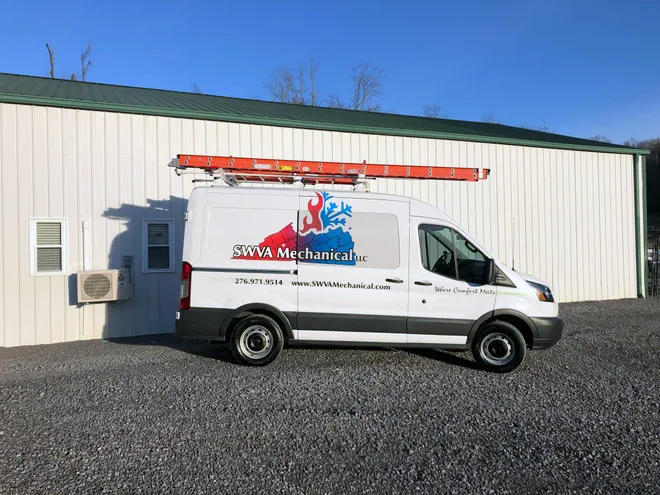
SWVA Mechanical is a locally owned and operated small business based in Lebanon, Virginia. We have served Southwest Virginia for decades with HVAC, refrigeration, and generator expertise. Our technicians bring deep industry knowledge, current certifications, and a commitment to honest work on every call. We live and work in the same communities we serve, so our reputation matters. That is why we treat every customer like a neighbor.
We offer energy-efficient mini split upgrades that can lower your monthly bills and qualify for manufacturer rebates. Our team walks you through options, explains the differences, and helps you pick a system that matches your home. As a Gree Select Dealer, we provide equipment with double warranty coverage you will not find at every HVAC company. Financing through Wisetack and Synchrony makes quality equipment accessible without straining your budget. Quality workmanship and fair pricing are the foundation of everything we do.
When you call SWVA Mechanical, you get a prompt response, professional service, and technicians who respect your home. We show up on time, communicate clearly, and stand behind our work. Our goal is to keep your mini split heating reliably through every Southwest Virginia winter. Reach us at (276) 971-9514 or email Brian@swvamechanical.com to schedule service. Visit us at 72 West Main Street in Lebanon, Virginia, and see why local families trust SWVA Mechanical for all their heating needs.