

When homeowners in Lebanon, Virginia, begin considering the installation of a standby generator, one of the most frequent concerns that arises is the issue of noise. It is a reasonable question to ask, especially in the quiet, scenic neighborhoods of Southwest Virginia where the sound of a loud engine could easily disrupt the tranquility of a mountain evening. Many people associate generators with the loud, rumbly portable units seen on construction sites or at tailgating events, which can indeed be quite deafening. However, a modern home standby generator is a very different piece of machinery, designed specifically for residential use where noise control is a primary engineering goal.
Understanding the acoustic profile of a generator is important for several reasons. You want to ensure that the unit does not disturb your sleep during a nighttime power outage, and you also want to remain a good neighbor to those living nearby. Fortunately, the technology behind these systems has advanced significantly over the last decade. Manufacturers like Generac have invested heavily in sound-dampening materials and innovative enclosure designs to ensure that a backup power system provides security without becoming a nuisance. To get a clear picture of what to expect, it is helpful to break down how these units generate sound and what steps are taken to keep them quiet.
Comparing Decibel Levels to Everyday Sounds
To understand how loud a standby generator actually is, it helps to look at decibel ratings. Most residential standby generators produce between sixty-five and seventy decibels of sound when they are running at full capacity. For perspective, sixty decibels is the level of a typical background conversation in an office or a restaurant. Seventy decibels is roughly equivalent to the sound of a vacuum cleaner or a standard dishwasher running in the kitchen. When you are inside your home with the windows closed, the sound of the generator running outside is often comparable to the gentle hum of your central air conditioning unit.
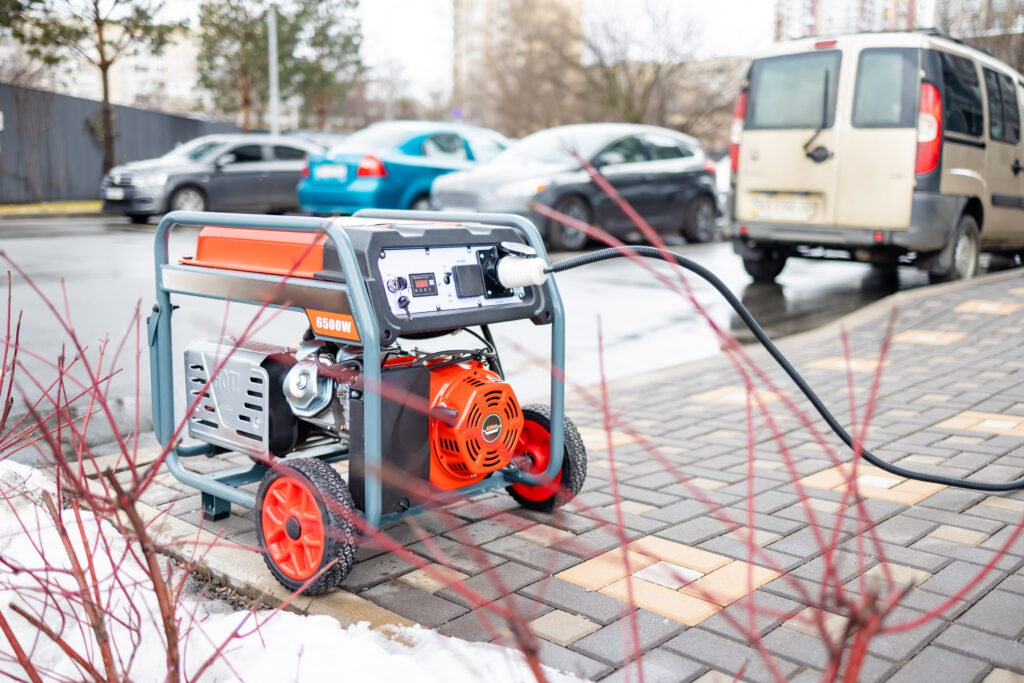
In contrast, portable gasoline generators often run at eighty decibels or higher. Because the decibel scale is logarithmic, an increase of ten decibels represents a sound that is twice as loud to the human ear. This means a portable unit can be significantly more intrusive than a permanently installed standby system. Standby units are housed in weather-protective, sound-attenuating enclosures that are lined with acoustic foam and designed to trap and dissipate noise before it reaches your ears or your neighbor’s property.
When a generator is in its weekly exercise mode, many models are designed to run at an even lower speed, further reducing the sound output. This ensures that the routine maintenance cycle, which usually happens during the day, goes largely unnoticed. For residents in Lebanon, this means you can have the peace of mind that your system is healthy without it interrupting a quiet afternoon on the porch. The goal of a modern enclosure is to make the generator a quiet, background presence rather than a focal point of the environment.
The Role of Enclosure Design and Materials
The outer shell of a standby generator is far more than just a box to keep the rain off the engine. It is a carefully engineered acoustic chamber. Manufacturers use heavy-duty materials like galvanized steel or aluminum, which are naturally better at reflecting and containing sound than the thin plastic or open-frame designs used for portable equipment. Inside these metal cabinets, high-grade acoustic insulation is strategically placed to absorb high-frequency engine noise and low-frequency vibrations.
Need a generator repair? Click here for our generator repair service.
The airflow design also plays a critical role in noise reduction. An engine needs a constant supply of air for combustion and cooling, but air vents can also be an escape route for sound. Engineers solve this by using baffled air intakes and exhaust systems. These baffles create a convoluted path for the air to follow, which allows the engine to breathe while forcing sound waves to bounce off interior surfaces where they are absorbed by the insulation. This is similar to the technology used in high-end automotive mufflers, tailored specifically for the stationary environment of a home backup system.
Furthermore, the base of the generator is designed to minimize vibration transfer. Most units are installed on a level concrete pad or a specific composite mounting base that acts as a buffer between the machine and the ground. By reducing the amount of vibration that reaches the earth or the foundation of the home, the “thumping” sound often associated with large engines is significantly neutralized. This attention to detail ensures that the mechanical energy stays within the unit rather than resonating through your property.
Strategic Placement for Noise Mitigation
While the machine itself is designed to be quiet, the location where it is installed on your Lebanon property also has a major impact on perceived noise levels. During a professional installation, technicians look for a spot that meets all safety codes while also maximizing distance from primary living areas. Placing a generator away from bedroom windows or outdoor living spaces like decks and patios is a standard practice that helps ensure the sound remains a distant hum rather than an immediate distraction.
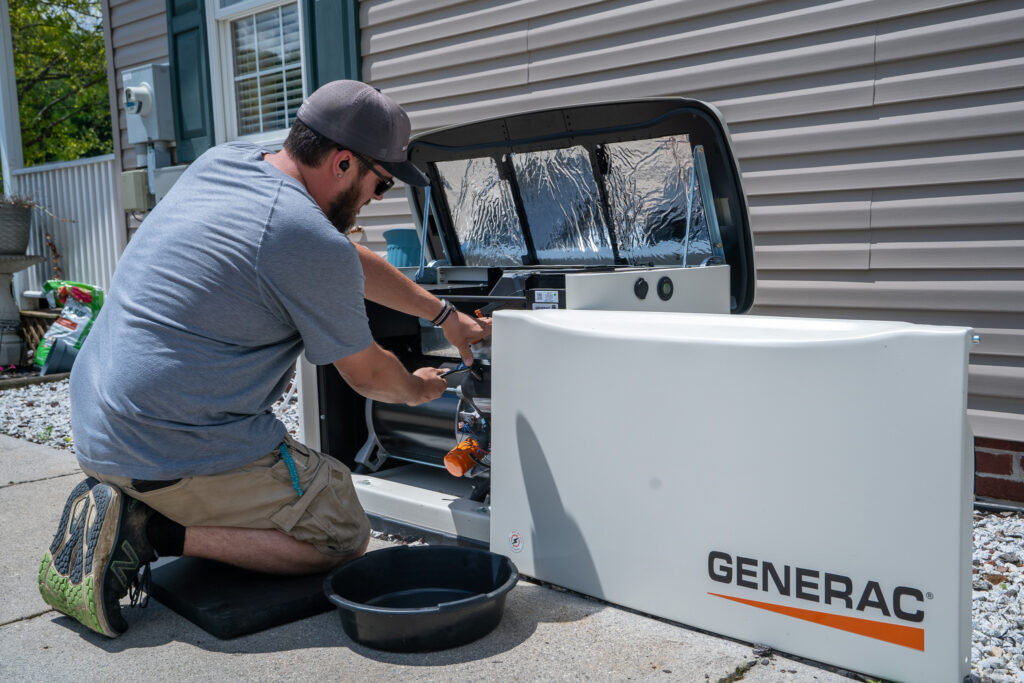
Distance is a natural muffler. For every doubling of the distance from a sound source, the decibel level drops significantly. By placing the unit toward the side of the house or near a garage wall, you use the home’s structure as a natural sound barrier. Solid objects like fences, stone walls, or even dense evergreen shrubbery can also help deflect sound waves away from your home or the neighbor’s yard. However, it is important to maintain the required clearances around the unit to ensure it has enough fresh air to operate safely and that technicians can access it for maintenance.
Local regulations in Lebanon and Southwest Virginia may also dictate specific setbacks from property lines. These codes are often designed with noise and exhaust safety in mind. A professional installer who understands these local rules can help you choose a location that satisfies the law and keeps the unit discreet. When a generator is placed correctly, most homeowners find that they quickly get used to the sound, much like they get used to the sound of a neighbor mowing their lawn or the distant hum of traffic.
The Difference Between Exercise Mode and Full Load
It is important to distinguish between the noise a generator makes during its weekly test and the noise it makes when it is actually powering your home. Most standby generators are programmed to run for about ten to fifteen minutes once a week. This “exercise” cycle is vital for keeping the engine lubricated and the battery charged. Many Generac models feature a Quiet-Test mode specifically for this purpose. During this cycle, the engine runs at a lower RPM, making it whisper-quiet and ensuring it doesn’t bother you or the people living next door during the day.
Want to know what it means to work with a certified HVAC dealer? Click here for more information.
When a total power outage occurs in Lebanon, the generator will ramp up to its full operating speed to handle the electrical demand of your HVAC system, lights, and appliances. At this stage, the unit will be at its loudest, but it is still well within the sixty-five to seventy decibel range. Most homeowners find that the sound is a small price to pay for the comfort of having the heat stay on during a winter storm or the refrigerator staying cold during a summer blackout. In fact, many people describe the sound of a running generator during an outage as a “reassuring” noise because it means their home is functioning normally while the rest of the neighborhood is in the dark.
The duration of the noise is also a factor. Power outages in Southwest Virginia can range from a few minutes to several days. Because the generator is only at full speed when utility power is lost, it is not a constant presence in the acoustic landscape. Once the grid power is restored, the unit automatically shuts down and returns to its silent standby mode. The sophisticated control systems ensure that the engine only runs as hard as it needs to, which helps manage both fuel consumption and noise levels throughout the duration of the emergency.
Maintenance and Its Effect on Sound Levels
Like any mechanical system, the way a generator sounds can change over time based on its physical condition. A well-maintained generator will always be quieter than one that has been neglected. For instance, if the oil levels are low or if the oil is dirty, the internal components of the engine may experience more friction, leading to a louder, more metallic operating sound. Similarly, if the air filter is clogged, the engine has to work harder to pull in air, which can change the pitch and volume of the intake.
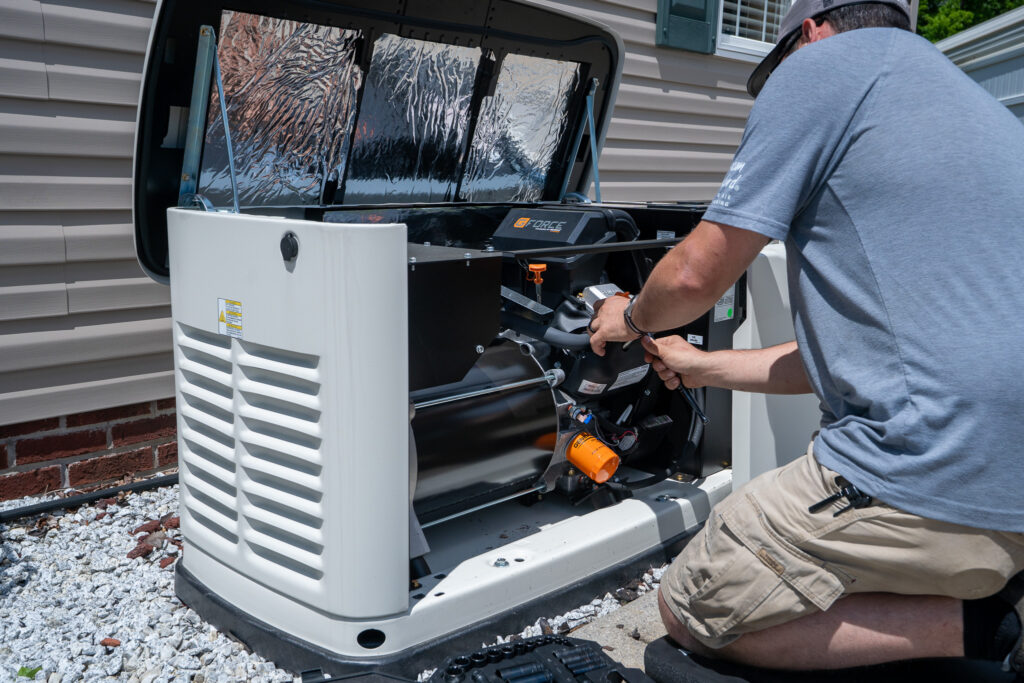
The exhaust system is perhaps the most critical component for noise control. Over years of exposure to the Virginia elements, mufflers and exhaust pipes can develop rust or small holes. If the exhaust system is compromised, the generator will become significantly louder, much like a car with a broken muffler. Regular professional maintenance visits include an inspection of the exhaust system and the enclosure seals to ensure that everything is tight and that the sound-dampening features are still performing as intended.
Vibration can also lead to new noises if bolts or panels have vibrated loose over time. A rattling sound is usually a sign that an access panel or a mounting bracket needs to be tightened. During a routine service call in Lebanon, a technician will check the integrity of the housing and the mounting pad to ensure the unit remains as stable as possible. By staying proactive with your maintenance schedule, you can ensure that your generator remains as quiet as the day it was installed and that it continues to operate at peak efficiency for decades.
The question of whether a standby generator is noisy is ultimately a matter of perspective and modern engineering. While no large engine is completely silent, the residential standby systems installed today are remarkably quiet compared to the portable alternatives of the past. By utilizing advanced acoustic insulation, muffled exhaust systems, and sound-attenuated enclosures, manufacturers have created a product that fits seamlessly into the residential environment of Lebanon and Southwest Virginia.
The reality is that a properly installed and maintained standby generator produces a sound level that is very similar to other common household appliances. When you factor in strategic placement and the natural sound-blocking properties of your home’s walls and windows, the noise is rarely an issue for homeowners or their neighbors. The peace of mind that comes from knowing your family is protected during a power failure far outweighs the gentle hum of the unit sitting outside.
If you are concerned about the specific noise levels for your property, a professional assessment can help. A technician can evaluate your home’s layout and recommend the best model and location to minimize sound impact while maximizing performance. In the end, a standby generator is designed to be a silent guardian of your home’s comfort and safety, only making its presence known when it is absolutely necessary to keep your life running smoothly. For most residents in Lebanon, the sound of a generator is simply the sound of reliability and security in an unpredictable world.