
In the traditional landscape of Southwest Virginia homes, heating and cooling have long been dominated by large furnaces and extensive networks of metal ductwork hidden behind walls and under floors. However, a significant shift is occurring in how residents of Lebanon approach their home comfort. Ductless HVAC systems, often referred to as mini split systems, are becoming an increasingly popular alternative to centralized climate control. These systems offer a modular approach to heating and cooling, providing a solution for homes where traditional ductwork is either impractical or impossible to install.
A ductless system consists of two primary components: an outdoor compressor unit and one or more indoor air handling units. Unlike a central system that pushes air through a complex labyrinth of vents, a ductless system delivers conditioned air directly into a specific room. The indoor and outdoor units are connected by a small conduit that houses the power cable, refrigerant tubing, and a suction line. This streamlined design bypasses many of the logistical hurdles associated with traditional HVAC systems, but it also brings a unique set of considerations that homeowners must weigh carefully before making a switch.
High Energy Efficiency and Monthly Savings
One of the most compelling arguments in favor of ductless technology is its remarkable energy efficiency. In a traditional central HVAC system, air is forced through ducts that often run through unconditioned spaces like attics, crawl spaces, or basements. According to the Department of Energy, duct losses can account for more than thirty percent of energy consumption for space conditioning, especially if the ducts are poorly insulated or have minor leaks. Because ductless systems eliminate the need for these channels entirely, they effectively eliminate that energy waste at the source.
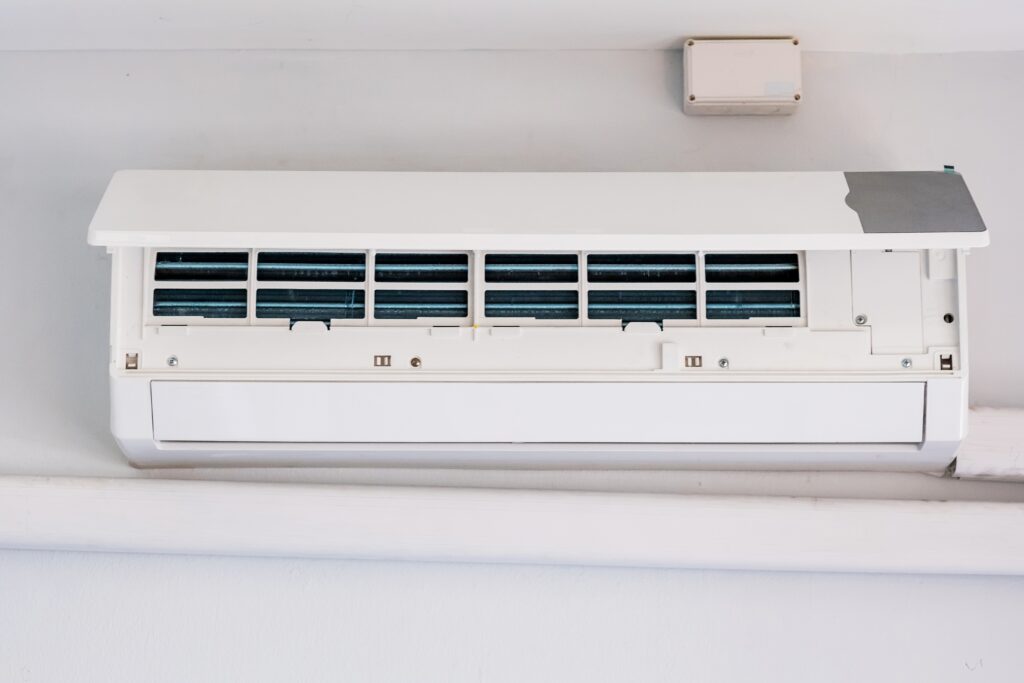
Beyond the absence of ducts, mini split systems often utilize inverter technology in their compressors. Traditional systems typically operate on an all or nothing basis, meaning they turn on at full blast until the thermostat is satisfied and then shut off completely. This constant cycling consumes a significant amount of electricity. Ductless compressors, however, can vary their speed to match the exact heating or cooling demand of the room. By running at lower speeds for longer periods, they maintain a more consistent temperature while consuming a fraction of the power required by a standard unit.
For homeowners in Lebanon, this efficiency translates directly into lower monthly utility bills. During the humid summers and freezing winters of Southwest Virginia, the savings can be substantial. Many ductless models carry much higher SEER ratings than their central counterparts, allowing homeowners to reduce their carbon footprint while simultaneously keeping more money in their pockets. When you consider that heating and cooling make up the largest portion of a home’s energy budget, the efficiency of a ductless system represents a major long term financial advantage.
Personalized Zoning and Room by Room Control
Ductless systems offer a level of personalized comfort that central systems simply cannot replicate without expensive and complex modifications. Most ductless installations are designed as multi zone systems, where each indoor unit is controlled by its own thermostat or remote. This means you can keep the living room perfectly cool during the day while leaving the guest bedrooms at a higher temperature, or ensure that a nursery stays warm at night without overheating the rest of the house.
Need a mini split installed? Click here for our mini split installation service.
This zoning capability is a massive advantage for larger families or homes with rooms that are rarely used. In a centralized house, you are forced to pay for the heating and cooling of every square foot, regardless of whether anyone is in the room. With a mini split system, you only conditioned the spaces you are currently occupying. This targeted approach to climate control not only improves individual comfort but also further contributes to the energy savings mentioned previously. It ends the “thermostat wars” where family members argue over a single setting that affects the entire property.
In Lebanon, many older homes feature additions or renovated spaces that struggle with temperature consistency. A sunroom might get too hot in the summer, or an attic bedroom might stay too cold in the winter because the original ductwork was never designed to handle the extra load. Adding a ductless unit to these specific areas provides an immediate and effective solution. It allows the homeowner to fix localized comfort issues without the massive expense and disruption of tearing into walls to expand a central duct system.
Ease and Flexibility of Installation
The physical process of installing a ductless system is significantly less invasive than traditional HVAC work. For a central system, a contractor might need to cut large holes in ceilings, walls, and floors to run bulky metal vents. This is not only a messy and time consuming process, but it can also compromise the aesthetic and structural integrity of an older home. A ductless installation only requires a small three inch hole in an exterior wall to connect the indoor unit to the outdoor compressor.
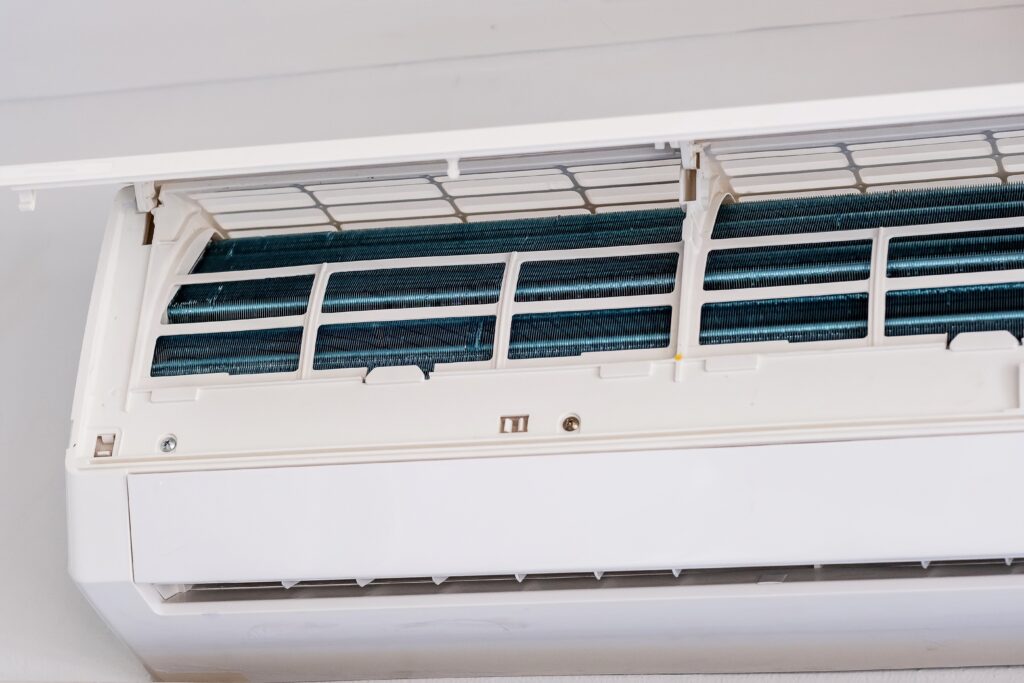
This flexibility makes ductless systems the premier choice for historic homes in Southwest Virginia that lack the space for traditional ductwork. Many older houses in the region were built long before air conditioning was a standard feature, and they often have thick plaster walls or limited crawl space. Retrofitting these homes with a central system is often prohibitively expensive. A ductless system allows these beautiful properties to enjoy modern climate control without sacrificing their architectural character.
Installation can often be completed in a single day, depending on the number of indoor units required. The indoor units themselves come in various styles, including wall mounted, floor mounted, and ceiling cassettes, allowing homeowners to choose a look that fits their decor. Because the outdoor unit can be placed up to fifty feet away from the indoor handler, technicians can tuck the compressor away in a discreet location where it won’t interfere with landscaping or outdoor living spaces.
The Aesthetic and Interior Design Considerations
While the benefits of ductless systems are numerous, the visual impact on the interior of a home is often cited as a primary drawback. Unlike central HVAC, where the only visible signs are small, flush mounted grates on the floor or ceiling, a ductless system requires an indoor air handler to be mounted directly on the wall or ceiling of the room. These units are typically white or silver plastic rectangles that can be quite prominent in a small room.
Want to know how to save on heating costs this winter? Click here for more information.
For some homeowners, these units can clash with their interior design goals. While manufacturers have made great strides in making the units sleeker and more modern, they still represent a significant addition to a wall. Finding a place to mount the unit where it provides optimal airflow without becoming a visual distraction can be a challenge. It may interfere with the placement of artwork, shelving, or tall furniture.
However, it is important to note that alternative mounting options exist for those who are particularly sensitive to aesthetics. Ceiling cassettes can be recessed into the ceiling so that only a small, flat grille is visible. Floor mounted units can be installed low to the ground where they are less conspicuous behind a sofa or chair. While these options may require a slightly more complex installation, they allow homeowners in Lebanon to enjoy the performance of a mini split while minimizing its impact on the room’s visual appeal.
Upfront Costs and Maintenance Requirements
The initial price tag of a ductless system is often higher than that of a traditional central AC or furnace replacement. When you consider the cost of the outdoor compressor plus the individual indoor units and the specialized labor required for installation, the upfront investment can be twenty to thirty percent more than a conventional system. For a homeowner on a tight budget, this initial cost can be a significant barrier to entry, even if the long term energy savings are guaranteed.
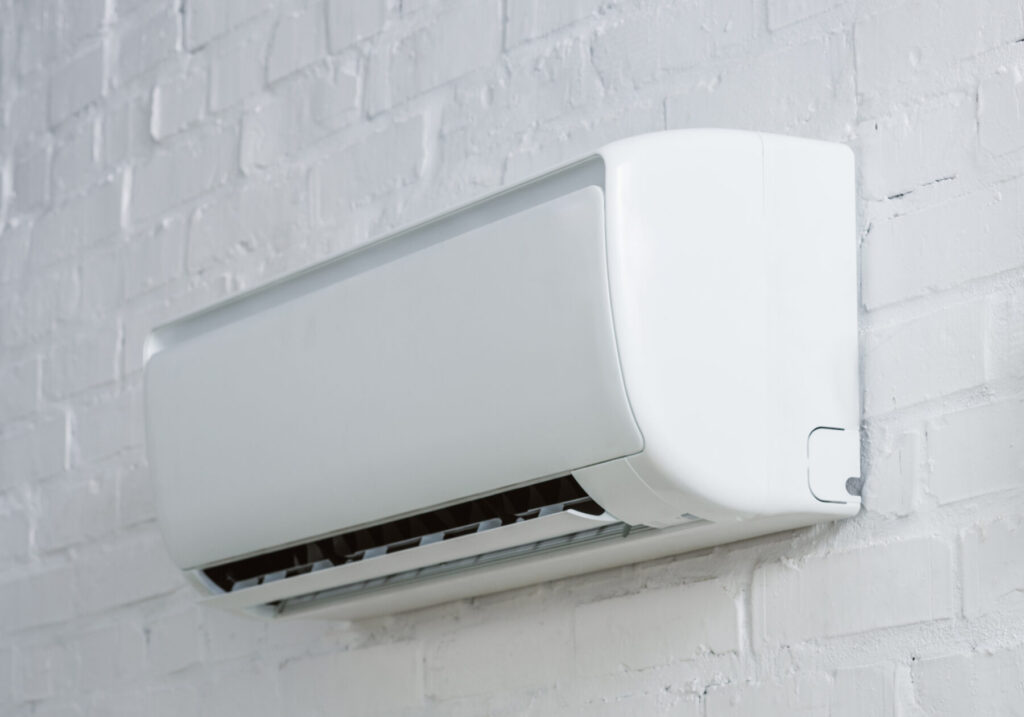
Maintenance for ductless systems is also a different experience compared to central units. Because the air handlers are located directly in the living space, they rely on small, washable filters. These filters must be cleaned frequently, usually once every month, to maintain airflow and indoor air quality. If these filters are neglected, the system’s efficiency will drop rapidly, and the unit may begin to smell or accumulate dust. While cleaning a filter is a simple task that takes only a few minutes, it requires a level of consistent attention that many homeowners find tedious.
Additionally, ductless systems require professional deep cleaning of the internal coils and blower wheels every one to two years. Because these units handle both the cooling and the dehumidification of the room air directly, moisture can sometimes lead to mold or mildew growth inside the unit if it is not properly serviced. In Southwest Virginia’s humid summers, this maintenance is essential. While a central system also requires maintenance, the localized nature of ductless units means that every room’s comfort is dependent on the cleanliness of its specific indoor handler.
Cold Weather Performance in Southwest Virginia
A common concern for Lebanon residents is how a heat pump based system will handle the freezing mountain winters. In the past, heat pumps were known to struggle once temperatures dropped below thirty degrees, often requiring expensive electric heat strips to keep a home warm. However, ductless technology has improved significantly in this area. Many modern mini split systems are designed as “cold climate” models, capable of providing efficient heat even when the outdoor temperature drops well below zero.
These systems use advanced compressors and specialized refrigerants to extract heat from the freezing air more effectively than older technology. For a home in Southwest Virginia, this means a ductless system can often serve as the primary heat source year round. However, it is important for homeowners to verify the specific low temperature performance ratings of the model they choose. A unit not designed for cold climates will lose its efficiency and heating capacity just when you need it most, potentially leaving you in the cold during a deep freeze.
For those in particularly harsh areas or homes with poor insulation, some choose to keep an existing furnace or wood stove as a backup heat source for the most extreme winter nights. This hybrid approach allows the homeowner to use the high efficiency ductless system for ninety percent of the year while having the peace of mind that a traditional heater is available if needed. When properly sized and selected, a high quality ductless system is more than capable of keeping a Lebanon home cozy through a typical Appalachian winter.
Ductless HVAC systems represent a powerful and flexible solution for modern home comfort, offering a blend of high energy efficiency and personalized control that traditional systems cannot match. For homeowners in Lebanon and the surrounding Southwest Virginia area, the pros of a mini split system—such as the elimination of energy wasting ductwork, the ability to zone specific rooms, and the ease of installation in older homes—often far outweigh the cons. The technology provides a way to bring reliable, efficient heating and cooling to spaces that have struggled with comfort for years.
However, the decision to go ductless should not be made without considering the aesthetic impact of wall mounted units, the higher initial investment, and the requirement for consistent filter cleaning. It is a choice that depends on the specific layout of your home, your long term budget, and your personal design preferences. By understanding both the benefits and the limitations of this technology, you can make an informed decision that enhances your quality of life and protects your home’s value.
Ultimately, a ductless system is about choice. It gives you the power to control your environment on a room by room basis and significantly reduce your environmental impact. Whether you are looking to cool a new sunroom addition or finally bring air conditioning to a historic Lebanon farmhouse, ductless technology offers a path forward. When installed by a professional who understands the unique demands of the Virginia climate, a mini split system can provide decades of quiet, efficient, and reliable comfort for you and your family.