
For homeowners in Lebanon and throughout the Southwest Virginia region, the heat pump is often the unsung hero of the household. Unlike a traditional furnace that only works during the winter or a central air conditioner that only runs in the summer, a heat pump is a year-round workhorse. It spends its life switching between heating and cooling modes to combat the humid summers and the freezing mountain winters. This constant operation is a testament to the versatility of the technology, but it also means the system is subject to a unique set of wear and tear patterns. Understanding the lifespan of your heat pump is essential for long-term financial planning and ensuring your home remains a reliable sanctuary in every season.
When you invest in a heat pump, you are investing in a sophisticated piece of machinery that relies on the movement of refrigerant to transfer thermal energy. Because it is almost always in use, its life expectancy is often measured differently than seasonal equipment. In the Commonwealth of Virginia, where our climate features four distinct and often intense seasons, the average lifespan of a residential heat pump typically falls between ten and fifteen years. While some high-quality systems that receive exceptional care can push toward the twenty-year mark, others that are neglected or improperly installed may fail much sooner.
The Impact of the Virginia Climate on Longevity
The specific geography of Lebanon and the surrounding Southwest Virginia area plays a significant role in how long your heat pump will last. We live in a “mixed-humid” climate zone, which means our systems must deal with high moisture levels in the summer and significant frost and snow in the winter. During the summer months, your heat pump acts as an air conditioner, pulling heat and humidity out of your home. The high humidity levels in Virginia place a heavy load on the evaporator coil and the condensate drainage system, requiring the unit to run for long cycles to maintain comfort.
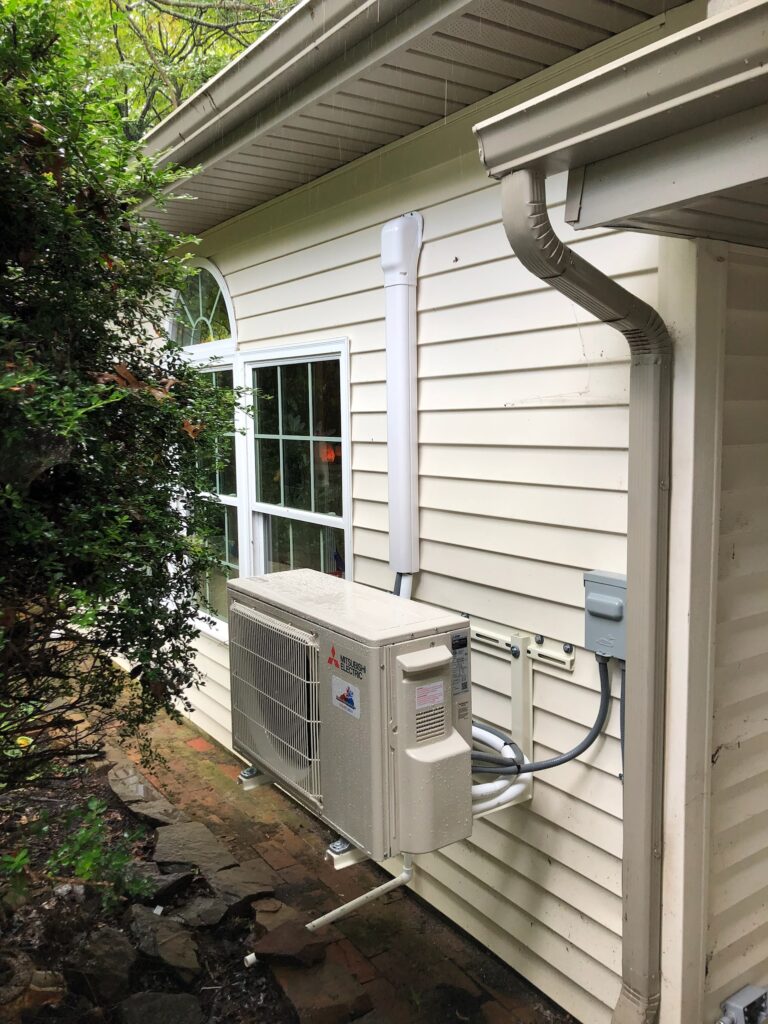
Winter presents a different set of challenges. When temperatures drop below freezing, the outdoor unit will naturally develop a layer of frost on its coils. To combat this, the heat pump must periodically enter a “defrost cycle,” where it temporarily reverses operation to melt the ice. This process is essential, but it is also mechanically demanding. The constant switching between heating and defrosting, combined with the stress of extracting heat from cold mountain air, means the compressor and fan motor are working at peak capacity for months at a time. This heavy year-round demand is why heat pumps in Virginia may have a slightly shorter lifespan than those in much milder coastal climates.
Furthermore, the fluctuations in temperature that are common in our region can lead to “short cycling” if a system is not properly calibrated. If your heat pump is constantly turning on and off during the mild “shoulder seasons” of spring and fall, the ignition components and motors experience rapid wear. A system that is forced to start and stop dozens of times a day will inevitably reach the end of its life faster than one that runs in steady, long cycles. The local climate essentially demands a higher level of performance and resilience from your HVAC equipment than almost any other part of the country.
The Critical Importance of Sizing and Installation
The lifespan of a heat pump is often determined the very day it is installed. One of the most common reasons for premature failure in Southwest Virginia is improper sizing. If a heat pump is too small for the square footage of a Lebanon home, it will run continuously in a desperate attempt to reach the thermostat setting. This constant operation leads to rapid mechanical fatigue, especially for the compressor. On the other hand, a system that is too large will satisfy the temperature too quickly and shut off, leading to the damaging short cycling mentioned previously.
Need a heat pump installed? Click here for our heat pump installation service.
Proper installation also involves the precision of the refrigerant charge and the integrity of the ductwork. If a heat pump is installed with a refrigerant leak or an incorrect charge, the compressor must work under high-stress conditions that it was never designed for. This is like driving a car with the wrong amount of oil; the internal friction will eventually cause a catastrophic failure. Additionally, if your home’s ducts are leaky or undersized, they create backpressure that forces the indoor blower motor to work significantly harder, leading to a burnout years before it should have occurred.
Hiring a professional who understands the specific load calculations for Virginia homes is the best way to protect your investment. A quality installation ensures that the outdoor unit is placed on a level, stable pad and has enough clearance for proper airflow. If a unit is tucked into a corner or surrounded by dense landscaping, it cannot breathe. Restricted airflow causes the system to overheat, which is the leading cause of internal component failure. Starting with a professional, code-compliant installation is the foundation of a fifteen-year lifespan.
How Maintenance Dictates the System’s Fate
If installation sets the foundation, then routine maintenance is what determines how far into the future your heat pump will serve you. Because a heat pump in Lebanon runs for both heating and cooling, it technically performs the work of two separate systems. This means it requires twice the attention. Most manufacturers and HVAC experts recommend a professional tune-up twice a year: once in the spring before the cooling demand peaks and once in the fall before the first frost.
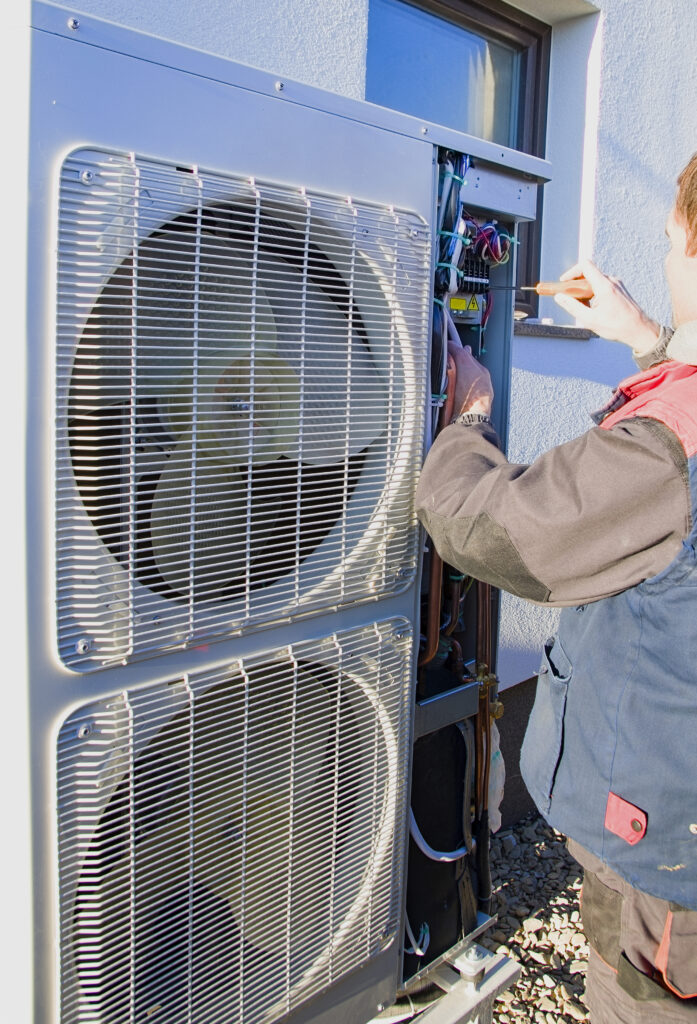
During these visits, a technician performs tasks that are vital for longevity. They clean the outdoor coils, which are often coated in pollen, dust, and grass clippings. Dirty coils prevent efficient heat transfer, which forces the compressor to run hotter and pull more amperage. The technician also inspects the electrical connections, which can loosen over time due to the vibrations of the unit. A loose wire can cause a short circuit that fries an expensive control board or damages the motor. Lubricating the moving parts and checking the refrigerant levels ensures the system operates with as little friction and stress as possible.
Homeowners also play a daily role in the system’s health. The simplest way to extend the life of your heat pump is to change the air filter every one to three months. A clogged filter is like a wall that prevents the system from breathing. It causes the indoor coil to freeze up in the summer and the system to overheat in the winter. By keeping the filters clean and ensuring the outdoor unit is clear of snow, leaves, and debris, you are removing the obstacles that lead to premature wear. Maintenance is the single most effective tool for pushing a system past the ten-year mark.
Signs That Your Heat Pump Is Reaching Retirement
As a heat pump enters its second decade, it will begin to show signs that its time is coming to an end. One of the most telling indicators is a steady increase in your electricity bills. As the compressor and other internal components age, they lose their efficiency. The system must run longer and work harder to achieve the same level of comfort it once provided with ease. If you find that your utility costs are rising even though your habits haven’t changed, the heat pump is likely struggling in its old age.
Want to know how often you should service your HVAC? Click here for more information.
Unusual noises are another frequent warning sign. While all heat pumps make some noise during the defrost cycle, new sounds like grinding, screeching, or persistent rattling should never be ignored. Screeching often indicates that a motor bearing is failing, while grinding can signal a serious issue within the compressor. In many cases, the cost of replacing a major component like a compressor in a twelve-year-old system is not a sound investment. At that point, the money is often better spent on a new, high-efficiency unit that comes with a full warranty.
You should also pay attention to the consistency of the comfort in your home. If some rooms are suddenly much colder than others, or if the heat pump struggles to keep up when the temperature in Lebanon drops below thirty degrees, the system is losing its capacity. Frequent repairs are the final red flag. If you are calling a technician every season to fix a new leak or replace a different relay, you are witnessing the “domino effect” of a failing system. Once the repairs become a recurring expense, it is a sign that the system’s structural and mechanical integrity has been compromised by time and the Virginia weather.
The Shift Toward Modern High-Efficiency Technology
If your heat pump is approaching the fifteen-year mark, it is important to realize that the technology has improved dramatically since your current unit was manufactured. Modern heat pumps are significantly more efficient and are better equipped to handle the Southwest Virginia climate. Newer models feature variable-speed compressors, which allow the system to adjust its output to match the exact needs of your home. This prevents the damaging on-and-off cycling of older, single-stage units and provides much more consistent comfort.
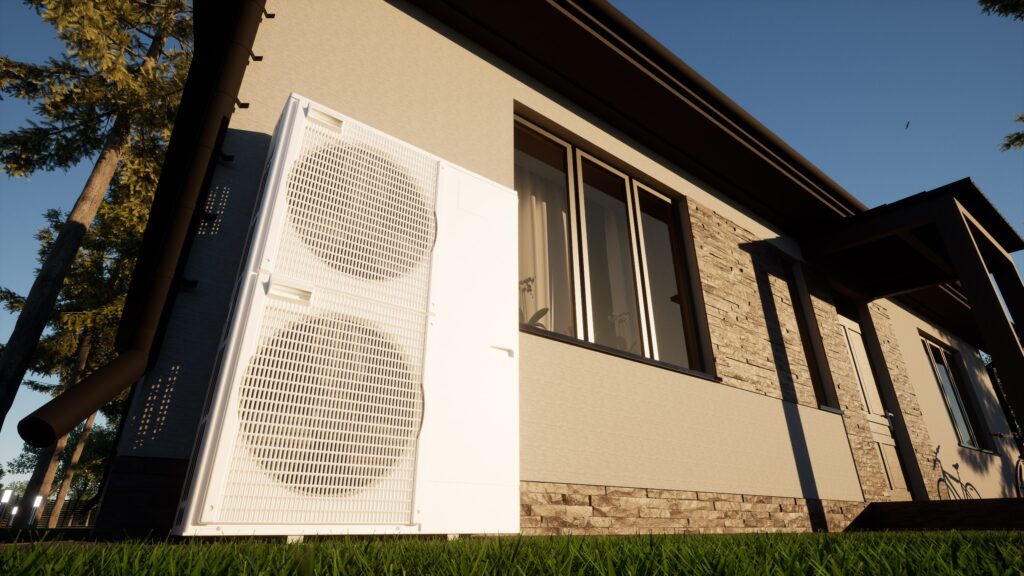
Newer systems also utilize more environmentally friendly refrigerants and advanced coil designs that are more resistant to corrosion. Many are specifically designed as “cold-climate” heat pumps, which can continue to provide efficient heat even when Lebanon temperatures drop into the single digits. This reduces the need for expensive backup electric resistance heat, which can save you hundreds of dollars over the course of a winter.
While the prospect of replacing a system can be daunting, the long-term benefits of an upgrade are substantial. A new heat pump not only offers a fresh fifteen-year lifespan but also provides immediate relief on your monthly energy bills. It improves your home’s air quality through better filtration and manages humidity much more effectively during our “sticky” Virginia summers. Transitioning to modern technology ensures that you are no longer living on “borrowed time” with an aging unit and provides the peace of mind that your home will stay comfortable regardless of the forecast.
The lifespan of a heat pump in Virginia is a reflection of how we live and the environment we inhabit. While the typical ten to fifteen-year range is a reality of our intense four-season climate, it is not a fixed destiny. The longevity of your system is deeply influenced by the quality of its initial installation, the precision of its sizing, and the consistency of the maintenance it receives throughout its life. For homeowners in Lebanon, being proactive is the key to getting the maximum value out of your HVAC investment.
By understanding the unique stresses that the Virginia humidity and winter frosts put on your equipment, you can take the necessary steps to protect it. Regular filter changes, keeping the outdoor unit clear of debris, and scheduling professional bi-annual tune-ups are the best defenses against premature failure. When the signs of old age eventually appear, whether through rising bills, strange noises, or frequent repairs, you can make an informed decision about replacement on your own terms.
A well-cared-for heat pump is more than just a piece of equipment; it is the foundation of your home’s comfort and safety. As you navigate the changing seasons in Southwest Virginia, remember that your heat pump is working hard for you every single day. Giving it the attention it deserves ensures that it will continue to provide the warmth and cooling your family relies on for many years to come. Whether your system is brand new or nearing retirement, staying informed and proactive is the best way to ensure your home remains a reliable sanctuary through every Virginia winter and summer.