
The air filter is the simplest, least expensive component of your entire heating and cooling system. It is also, ironically, the one component responsible for the vast majority of preventable furnace failures and efficiency losses. For homeowners in Lebanon who rely on a consistent, warm environment during the Southwest Virginia winter, a clean filter is non negotiable. When the air filter becomes clogged with dust, hair, and debris, it initiates a series of destructive chain reactions that compromise comfort, inflate utility bills, and severely threaten the lifespan of your furnace or heat pump. A dirty filter is not just an inconvenience; it is a serious impediment to efficiency.
Understanding how this small component causes such major problems is key to protecting your investment. The entire principle of a forced air system is dependent on unimpeded air movement. When that movement is slowed, the consequences are immediate and far reaching. Neglecting the air filter is the most common and expensive mistake a homeowner can make regarding heating system maintenance.
Airflow Restriction: The Root of Inefficiency
The primary function of the air filter is to allow air to pass through while trapping contaminants. A clean, fresh filter offers minimal resistance to the flow of air. When the filter becomes coated in dust and dirt, it begins to act as a solid barrier. This is known as airflow restriction. The heating system requires a specific volume of air, measured in cubic feet per minute or CFM, to operate correctly. A clogged filter starves the system of this necessary air.
The blower motor, which is the large fan assembly responsible for moving air throughout your home, must work significantly harder to maintain the necessary CFM. It is similar to trying to breathe through a tightly woven cloth; your lungs must exert more effort to pull in the same volume of oxygen. This increased effort translates directly into higher electricity consumption. The motor draws more amperage, generates more heat, and spins at a higher strain level.
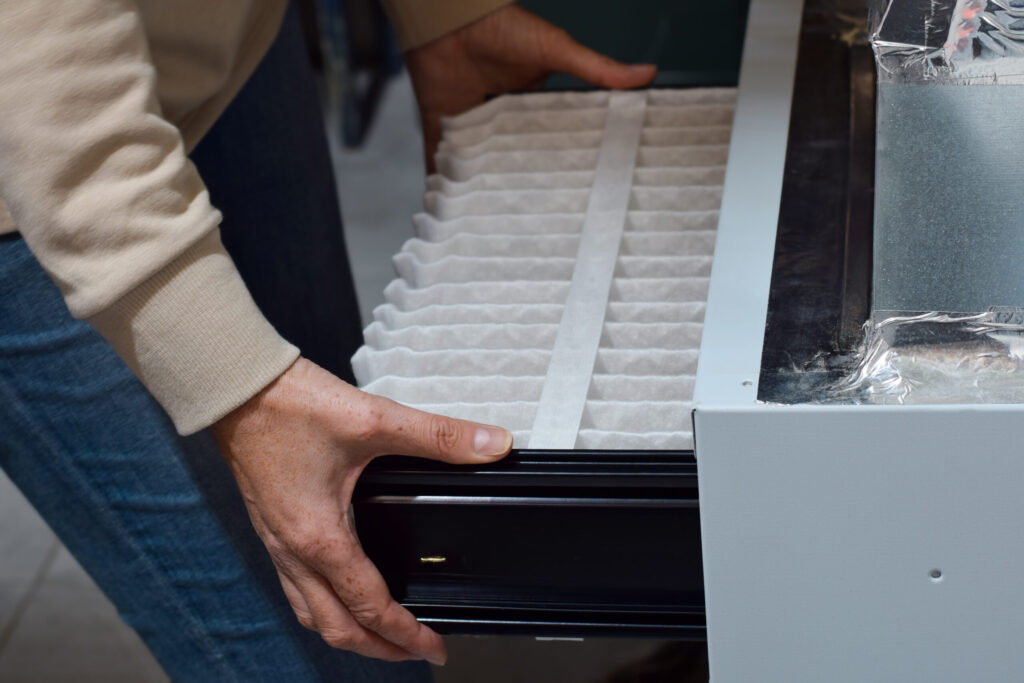
This increase in electrical use is measurable on your utility bill. The motor must run longer and draw more current just to deliver the same volume of air that a clean filter would allow with ease. This direct increase in energy use is pure inefficiency. Even if the rest of your system is operating perfectly, a clogged filter means you are paying more for the electric component of your heating bill. This unnecessary energy drain is a financial penalty incurred every hour the furnace runs.
The Impact on the Heat Exchanger and Safety
The most dangerous consequence of restricted airflow is the impact on the heat exchanger. The heat exchanger is the furnace component that separates the combustion gases from the breathing air. It is the central element that heats the air circulated into your home. It must be constantly cooled by the air passing over its surface.
When the filter is severely clogged, the volume of air flowing over the heat exchanger drastically drops. The burner flames continue to produce the same amount of heat, but that heat cannot be effectively transferred and carried away. The heat exchanger begins to overheat. The metal structure reaches temperatures well beyond its safe operating limits.
Need furnace maintenance? Click here for our furnace maintenance service.
To protect the furnace from permanent damage and to prevent a fire hazard, all modern furnaces are equipped with a high limit safety switch. This switch monitors the temperature of the heat exchanger. When the component reaches a predetermined safety threshold, the limit switch trips. It immediately shuts off the fuel supply and the burners. However, the blower motor is often instructed to keep running, circulating air in a desperate attempt to cool the internal components.
This action causes the system to “short cycle.” The furnace turns on, heats up too quickly due to the restriction, trips the limit switch, shuts off the heat, runs cold, cools down, turns back on, and repeats the cycle endlessly. This rapid, inefficient pattern means you are paying for fuel that is only used for brief moments. More critically, repeated exposure to high temperatures accelerates the wear and tear on the metal heat exchanger, increasing the risk of it eventually cracking. A cracked heat exchanger is a serious safety concern as it can allow deadly carbon monoxide into your home.
Reduced Heating Capacity and Comfort
A dirty filter does not just affect the furnace’s health; it severely impacts the quality of your home comfort. Less air moving through the system means less heated air is delivered to your living spaces. The furnace may feel like it is running constantly, but the rooms never quite feel warm enough.
This reduction in heating capacity is especially noticeable in rooms furthest from the furnace, such as those at the end of the duct runs. The air reaching these remote areas is already compromised. When the volume of air is restricted at the source, those remote rooms simply do not receive the necessary heat load. This leads to cold spots throughout the house. Homeowners often respond by cranking up the thermostat in an effort to reach those cold rooms, but this only causes the rest of the house to become overheated and drives the energy bill even higher.

The entire purpose of the furnace is to satisfy the temperature setting on the thermostat. Because the dirty filter is causing low airflow and potential short cycling, the system may never be able to reach that set temperature. It continues to consume fuel, working hard, but it fails to achieve its primary objective. The result is chronic underperformance. The heated air that is successfully delivered is warmer than room temperature, but there is not enough volume to make a difference in the overall temperature of your home.
Damage to Internal Components
The consequences of restricted airflow extend directly to the mechanical heart of your heating system. The blower motor is subjected to immense strain when pushing against the resistance of a clogged filter. This strain forces the motor to run hotter and pull more current from your electrical panel. Motors are designed to operate within a specific temperature range. When they consistently run hot, the life span of the motor is dramatically reduced.
Overheating causes the insulation on the motor windings to break down. It also compromises the lubrication of the motor bearings. This leads to excessive friction, loud noises, and eventual mechanical failure. Replacing a blower motor is a significant, expensive repair. It is a cost that is entirely preventable with routine filter changes.
The damage is not limited to the motor. Overheating and constant short cycling can also damage other sensitive internal components. The control board, which is the sophisticated electronic brain of your furnace, is highly vulnerable to excessive heat and the rapid on and off cycling induced by the limit switch. Control boards contain delicate relays and circuitry that can be fried or compromised by heat and voltage spikes associated with stressed electrical components. Furthermore, the buildup of fine dust that bypasses the clogged filter can settle on these electronic components, leading to corrosion and conductivity issues that cause intermittent failures.
The Air Quality Factor Beyond Efficiency
While the financial and mechanical consequences are severe, the primary purpose of the filter is health related. The filter protects your home’s indoor air quality. When a filter becomes completely saturated and clogged, it loses its ability to function effectively.
A severely clogged filter can actually cause the air pressure to change so dramatically that the air finds alternative paths around the filter frame. Instead of being forced through the filtration material, the air bypasses the entire unit. When this happens, all the dust, dirt, dander, mold spores, and contaminants are pulled directly through the return duct and into your heating system. The system then cycles this dirty, unfiltered air directly into your living space.
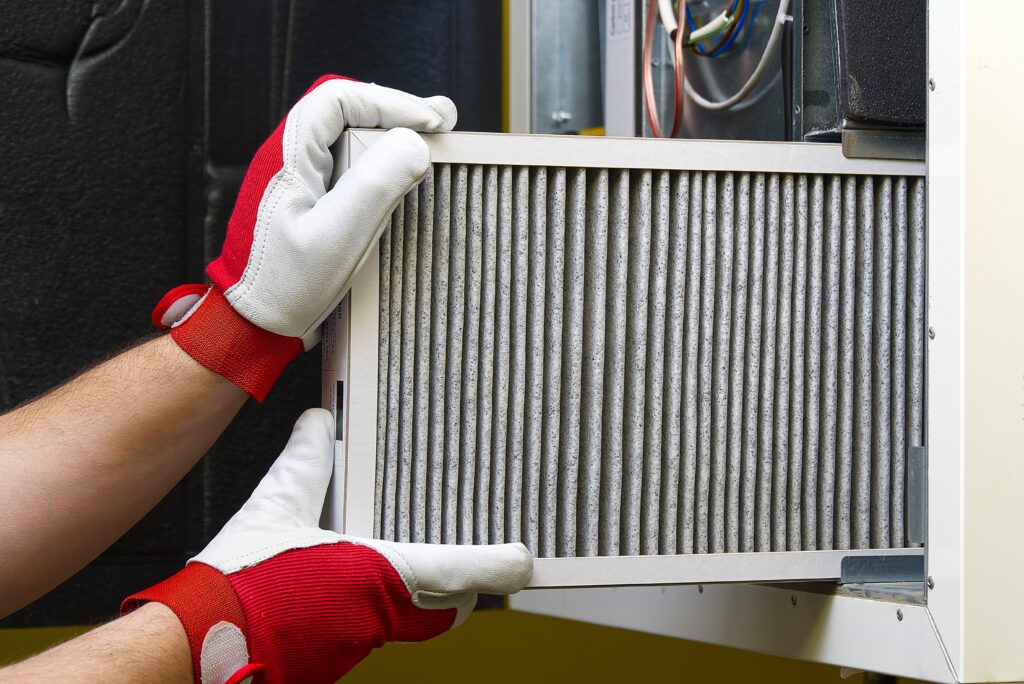
The reintroduction of these contaminants is detrimental to health. It can aggravate asthma, cause allergic reactions, and lead to increased respiratory issues. Furthermore, the contaminants coat the internal components of your heating system, including the blower wheel and the evaporator coil. Dust coating a coil further reduces its ability to transfer heat and creates a breeding ground for mold and mildew. This adds another layer of inefficiency and another set of expensive, specialized cleaning services to the long term cost of neglecting the filter.
Filter Selection and Maintenance Schedule
Choosing the right filter and maintaining a strict replacement schedule is the single most important maintenance step a homeowner can take. Filters are rated by their Minimum Efficiency Reporting Value, or MERV rating. Higher MERV ratings indicate finer filtration and better air quality. However, a higher MERV rating also means the filter material is denser, which can restrict airflow more quickly.
For older furnaces, using a filter with too high a MERV rating can cause airflow problems even when the filter is clean. It is essential to choose a filter that balances air quality with your specific furnace’s design specifications. Consulting with an HVAC professional is the best way to ensure you are using a filter that does not compromise your system’s CFM.
Want to get the most out of your furnace? Click here for more information.
The standard recommendation for replacing disposable filters is every 30 to 90 days. However, this schedule must be adjusted based on your home environment. Homes in Lebanon with pets, smokers, construction nearby, or a high number of occupants will generate significantly more dust and require more frequent changes. If you have pets, checking your filter once a month is advisable. If the filter looks dark gray and clogged after only 30 days, it must be replaced immediately, regardless of the calendar date. Never wait until the filter is rock hard with dirt; by that point, the damage is already being done.
The air filter is deceptively simple. Yet, its condition dictates the efficiency, safety, and longevity of your entire heating system. Neglecting this inexpensive component is the fastest way to incur major financial penalties. A clogged filter initiates a destructive cycle: it restricts airflow, forcing the blower motor to draw excess current. This directly drives up your electricity costs. The restriction causes the heat exchanger to overheat, triggering the safety limit switch, which leads to inefficient short cycling and potential long term metal fatigue.
For homeowners in the Lebanon area, relying on a system during the winter is non negotiable. You must be able to trust that your furnace will operate safely and efficiently. The solution is simple and requires minimal effort. Regular, proactive filter replacement is the most cost effective maintenance action you can perform. It protects your heating system from premature wear, ensures reliable comfort, and defends your utility budget from unnecessary spikes. Do not wait for cold spots or a complete breakdown. Make filter replacement a consistent part of your home maintenance routine.