
When your home’s heating or cooling system begins to malfunction, your first thought likely turns to the large, expensive equipment in your basement or your backyard. We tend to assume that a problem like an air conditioner that will not turn on or a furnace that runs erratically must be the result of a major mechanical failure. While this is certainly possible, in a surprising number of cases, the true culprit is not the powerful HVAC unit itself, but the small, unassuming, and often-overlooked device on your wall: your thermostat.
Your thermostat is the brain of your entire home comfort system. It is the central command center that tells every other component what to do and when to do it. If this brain is not functioning correctly, it can send faulty signals or no signals at all, leading to a host of frustrating problems that can perfectly mimic a more serious system breakdown. At SWVA Mechanical, we believe that understanding the signs of a failing thermostat is an empowering piece of knowledge for any homeowner. It can help you troubleshoot simple issues yourself and can save you from the stress and worry of assuming you have a more catastrophic and expensive problem.
What to Do Before You Call for Service
Before you assume that your thermostat is the source of the problem, it is important to first rule out a few very simple and common user errors or minor issues that can be resolved in just a few minutes. Taking these steps first can sometimes solve the problem immediately and save you the cost of a professional service call.
The first and most frequent cause of a seemingly “dead” thermostat is simply dead batteries. Many modern digital thermostats use batteries to power their display and to send the electrical signal to the HVAC unit. A completely blank screen is a dead giveaway, but weak batteries can also cause a host of erratic behaviors long before they die completely. If you are experiencing any issues, your very first step should always be to replace the batteries with a fresh, high-quality set.
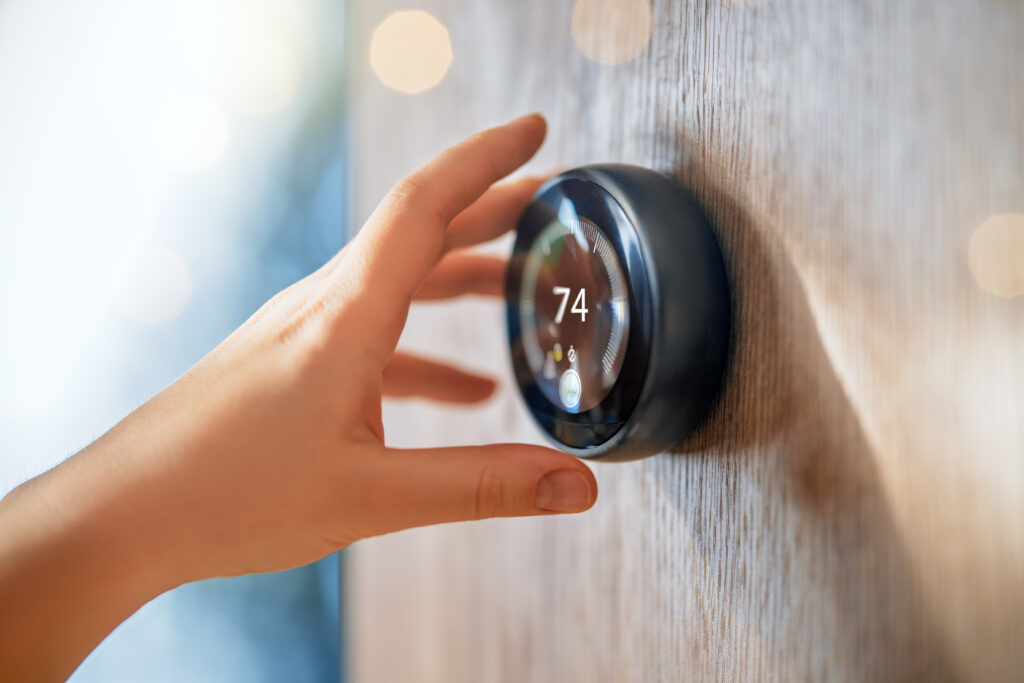
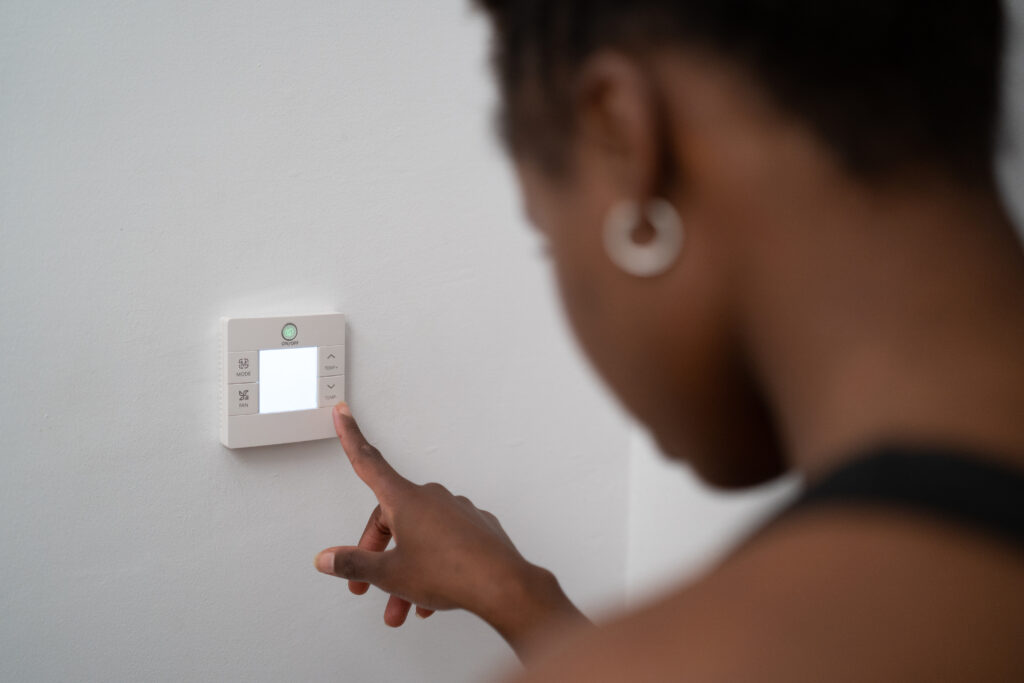
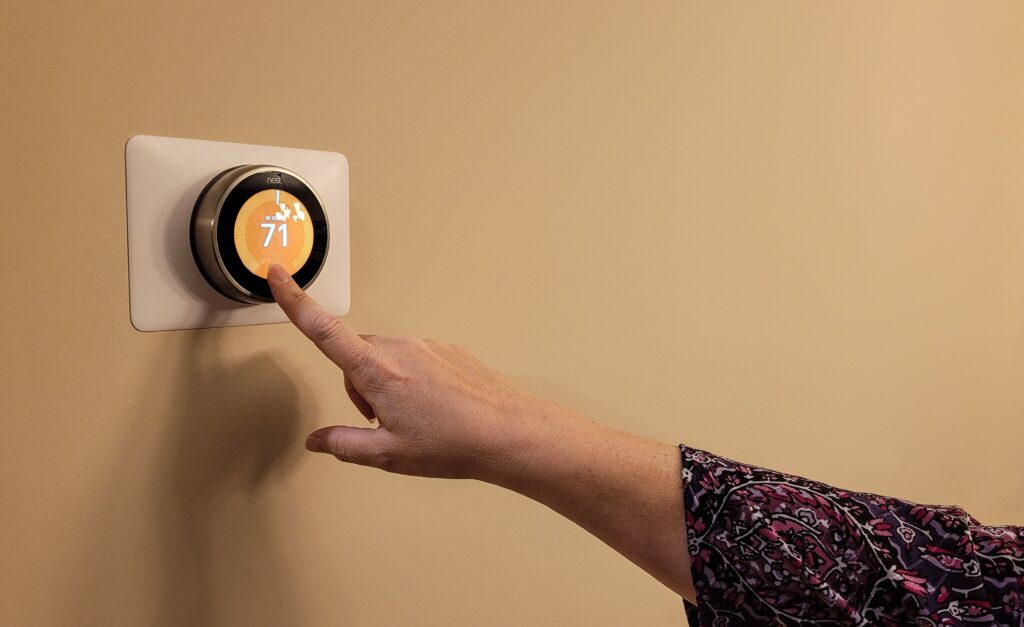
Next, take a close look at the thermostat’s settings. It is surprisingly easy for these to be accidentally changed. During a seasonal transition, make sure the system is switched to the correct mode, either “Cool” for air conditioning or “Heat” for your furnace. Verify that the temperature is set where you want it; for cooling, it must be set lower than the current room temperature, and for heating, it must be set higher. You should also check the fan setting. If your fan is set to “On” instead of “Auto,” the blower will run continuously, even when the system is not actively heating or cooling, which can make it seem like the system is malfunctioning.
Sign #1: Your HVAC System Won’t Turn On at All
One of the most common symptoms of a failed thermostat is a heating or cooling system that will not turn on at all. You have checked that the settings are correct, the batteries are fresh, and the circuit breaker has not been tripped, but the system remains completely unresponsive. This often indicates a failure of the internal components of the thermostat itself. The small electrical relays and switches that are responsible for sending the low-voltage signal to the HVAC unit can wear out or fail over time.
This issue can also be caused by the wiring that connects the thermostat to the furnace or air handler. The low-voltage wires are small and can sometimes become loose from their terminal connections on the back of the thermostat’s wall plate. In some cases, the wiring itself can become corroded or damaged. When this critical connection is interrupted, the command from the thermostat can never reach the HVAC system, and as a result, the system will never receive the signal to start its cycle. A professional technician can safely test these connections and determine if the fault lies with the wiring or the thermostat unit itself.
Sign #2: The HVAC System is Short Cycling
“Short cycling” is the term used to describe an HVAC system that turns on, runs for only a few short minutes, and then shuts off, only to repeat this frustrating and inefficient process over and over again. This is an incredibly damaging problem for your equipment, as the constant starting and stopping puts an immense amount of wear and tear on the expensive compressor and blower motor. One of the most common causes of short cycling is a faulty or poorly placed thermostat.
The thermostat’s internal temperature sensor is responsible for reading the ambient temperature of the room. If this sensor fails or becomes miscalibrated, it can give an incorrect reading to the thermostat’s main processor. It might trick the thermostat into thinking that the target temperature has been reached almost immediately after the system turns on, causing it to shut down prematurely.
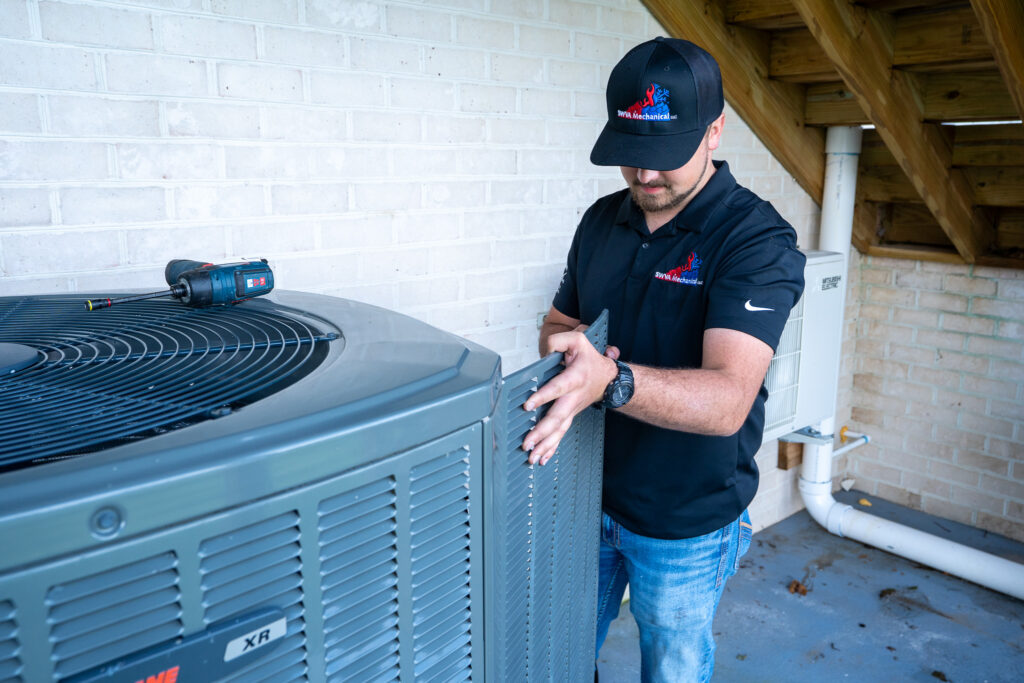
The physical placement of the thermostat is another major factor. If your thermostat is installed on a wall that receives direct sunlight in the afternoon, or if it is located too close to a heat-producing lamp or another heat source, its sensor will pick up this radiant heat. This will cause it to get a false reading of the home’s overall temperature and will cause your air conditioner to short cycle. A professional can assess the placement and calibration of your thermostat to see if it is the source of this damaging issue.
Sign #3: The Room Temperature Never Matches the Setting
Another very frustrating symptom of a failing thermostat is a noticeable and persistent discrepancy between the temperature that is displayed on the screen and the actual temperature in your room. You may have your thermostat set to a comfortable 72 degrees, but the room feels much warmer or significantly cooler. This is a classic sign of a miscalibrated thermostat that is no longer able to accurately sense the environment around it.
Over many years of operation, the temperature sensors in older thermostats can begin to lose their accuracy and drift from their original factory settings. In many cases, a simple accumulation of dust and grime on the internal components of the thermostat can also interfere with the sensor’s ability to get a proper reading. This problem is particularly common with older, non-digital, mercury-based thermostats, which should always be upgraded.
An inaccurate thermostat will not only leave your family uncomfortable, but it will also cause your HVAC system to run inefficiently. If the thermostat is reading the room as being warmer than it actually is, it will cause your air conditioner to run for longer than necessary, which will waste a significant amount of energy. A professional technician can test the accuracy of your thermostat and determine if a simple recalibration or a full replacement is the best solution.
The Solution: Repair, Replacement, and Professional Calibration
For most of the issues that can plague a thermostat, especially with older mechanical or basic digital models, a full replacement is often the most cost-effective and reliable long-term solution. A modern thermostat is a relatively inexpensive component, and upgrading it can solve a host of frustrating problems while also providing a significant boost in your system’s efficiency and convenience.
This is the perfect opportunity to upgrade to a modern smart thermostat. These advanced devices offer a powerful suite of features that can have a major impact on your energy bills. They can be controlled remotely from a smartphone app, and they use intelligent learning algorithms and geofencing technology to automatically adjust the temperature when your home is empty, which can save you a significant amount on your utility bills.
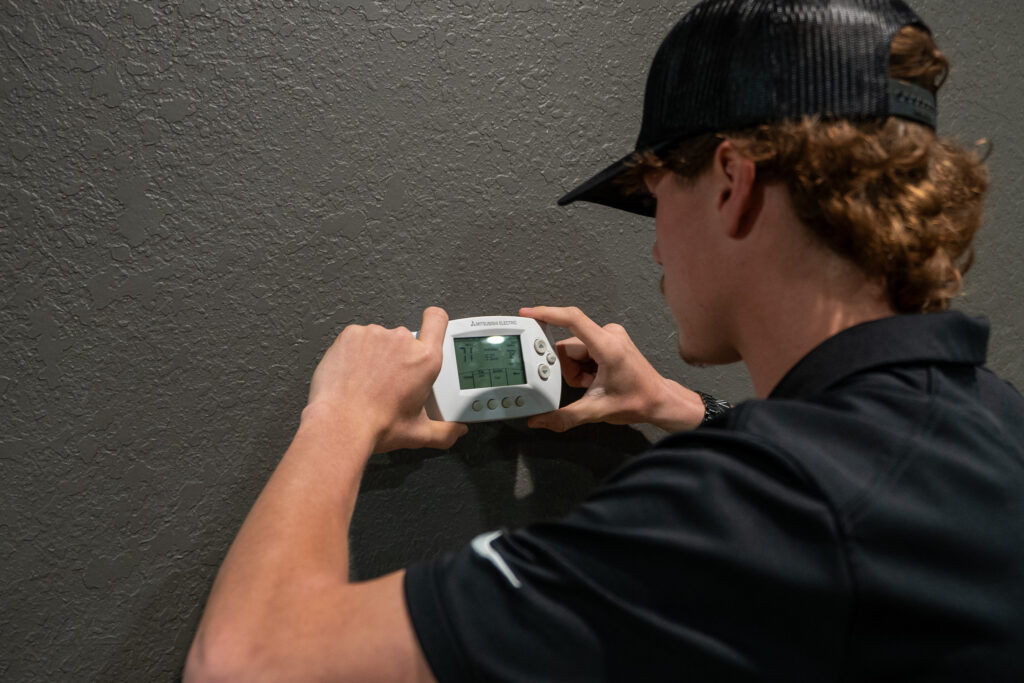
It is important to remember that a new thermostat, especially a smart one, must be installed and configured correctly by a professional to ensure it is fully compatible with your specific HVAC system and that all of its advanced features will work properly. A licensed technician from SWVA Mechanical can help you select the best new thermostat for your home and can provide a fast and professional installation, ensuring it is wired safely and calibrated for optimal performance.
The small and unassuming thermostat on your wall has a massive impact on your home’s comfort, the health of your HVAC system, and your monthly energy budget. When it begins to fail, it can be the hidden culprit behind a wide range of frustrating and seemingly complex HVAC problems, from a system that will not turn on at all to one that runs inefficiently and leaves your family uncomfortable. By learning to recognize the common signs of a failing thermostat, you can take a more empowered approach to troubleshooting your home comfort issues.
While a homeowner can and should always check for the simple fixes, like dead batteries and incorrect settings, a persistent thermostat issue is a clear sign that a professional diagnosis is needed. We encourage all homeowners in the Lebanon and greater Southwest Virginia area to contact the trusted local experts at SWVA Mechanical. We can provide you with an accurate diagnosis and a professional thermostat replacement service to restore your comfort and your peace of mind.