
It is one of the most essential and hardworking appliances in any home or business. Your refrigerator runs silently and continuously, day and night, safeguarding hundreds, or even thousands, of dollars’ worth of food and inventory. But what happens when that dependable hum is replaced by a strange noise, a puddle on the floor, or a temperature that is just not quite cold enough? Every refrigerator, whether a household unit or a commercial walk-in cooler, has a finite lifespan. When problems arise, property owners are faced with a critical and often costly dilemma: is it more sensible to repair the ailing appliance, or is it time to invest in a replacement?
Making the right choice is about more than just the immediate expense. It requires a careful evaluation of the refrigerator’s age, the nature of the problem, the cost of parts and labor, and the long-term benefits of upgrading to a newer, more efficient model. A strategic repair can breathe new life into a relatively young machine, while sinking money into an old, inefficient unit can be a poor investment. This guide will walk you through the key signs of refrigerator failure, help you understand when a repair is the logical choice, and clarify the indicators that point toward a necessary replacement, empowering you to make a smart decision for your home or business.
Common Signs Your Refrigerator Is Failing
The first step in making an informed decision is recognizing the warning signs of a struggling refrigerator. These symptoms are often the machine’s way of signaling that an internal component is worn, failing, or working improperly. Ignoring them not only risks the safety of your food but can also lead to more severe and expensive damage over time. One of the most obvious and concerning signs is a failure to maintain a consistently cold temperature. If you notice that milk is spoiling before its expiration date or that items in your commercial prep table are not as chilled as they should be, it’s a clear indication that the cooling system is compromised.
Water leaks or excessive frost are other significant red flags. A puddle of water on the floor can point to a clogged defrost drain or a leaking supply line, issues that can cause water damage to your flooring and subflooring if left unaddressed. Conversely, a sudden and heavy buildup of ice in the freezer compartment suggests a problem with the defrost system, which can impede airflow and strain the compressor. Pay close attention to the sounds your refrigerator makes as well. While a gentle hum is normal, loud or unusual noises like grinding, buzzing, or rattling can indicate a failing condenser fan or a compressor that is on its last legs. A refrigerator that cycles on and off more frequently than usual is also working harder than it should, a symptom that often manifests as a noticeable increase in your monthly energy bills.
When a Refrigerator Can Be Repaired
In many situations, a professional repair is the most logical and cost-effective solution. This is especially true for newer refrigerators, typically those that are less than eight to ten years old. A machine in this age range has not yet reached the end of its expected operational life, and a failure is often due to a single, replaceable component rather than a systemic breakdown. Investing in a repair for a younger unit can extend its life for many more years, providing a significant return on the cost of the service call.
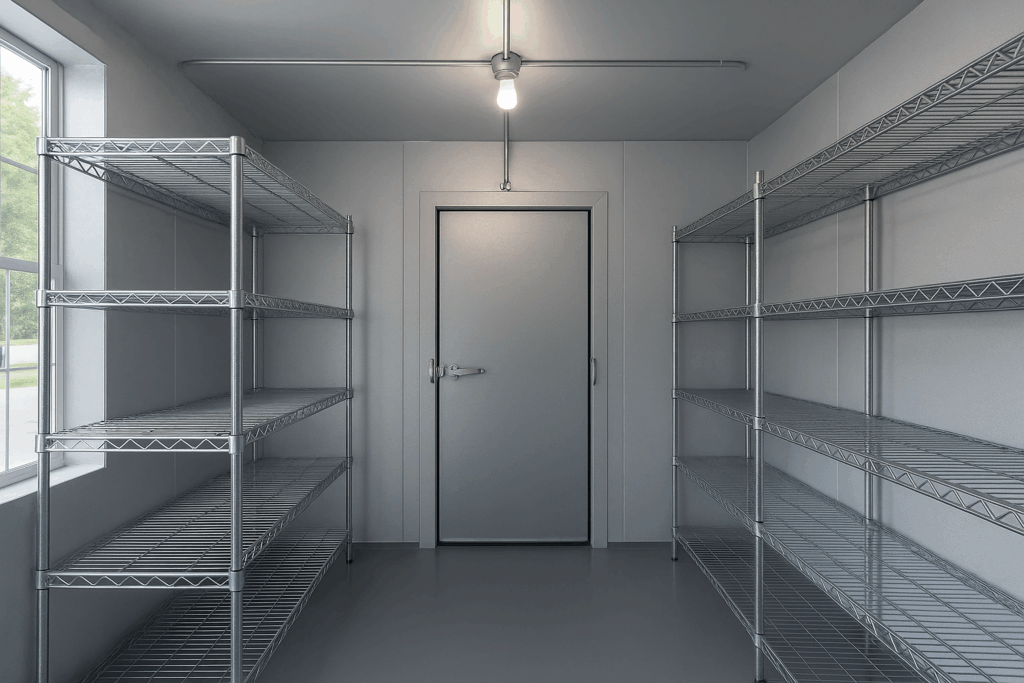
The issues that commonly fall into the repairable category involve components that are designed to be serviced or replaced. These include failed thermostats that no longer regulate temperature correctly, faulty evaporator or condenser fans that hinder air circulation, worn-out door seals or gaskets that allow cold air to escape, and defective sensors that provide incorrect feedback to the control board. These parts are generally accessible and affordable to replace. A qualified refrigeration contractor, like the experienced technicians at SWVA Mechanical, can quickly diagnose these basic issues and perform a cost-effective service that restores your refrigerator to optimal working order. Calling a professional ensures the problem is correctly identified and fixed, preventing the costly mistake of replacing an appliance that simply needed a minor adjustment or a new part.
When It’s Time to Replace Your Refrigerator
While many problems can be fixed, there comes a point in every refrigerator’s life when investing in another repair is no longer a sound financial decision. Age is a primary factor; for most residential refrigerators, once they surpass the 10 to 15-year mark, the likelihood of major component failure increases dramatically. Continuing to repair an appliance of this vintage can lead to a frustrating and expensive cycle of service calls, as one aging part fails after another.
The single most significant indicator that replacement is imminent is a failed compressor or a sealed system refrigerant leak. The compressor is the heart of the refrigerator, and replacing it is an intensive and costly repair that can often approach half the price of a new unit. Similarly, fixing a refrigerant leak in an older machine can be complex and expensive, with no guarantee that another leak won’t develop elsewhere in the aging system. If you find yourself calling for service multiple times within a few months for different issues, it’s a clear sign the entire appliance is nearing the end of its life. Furthermore, refrigerators from a decade or more ago are significantly less energy-efficient than today’s models. Clinging to an outdated unit means you are consistently paying more on your utility bills than you would with a new, Energy Star-rated appliance.
Cost Comparison: Repair vs Replacement
The decision to repair or replace often comes down to a direct financial comparison. It’s crucial to look beyond the immediate quote and consider the long-term value. As a general rule, if the estimated cost of a repair is more than 50% of the price of a comparable new refrigerator, replacement is almost always the smarter choice. The average cost for a minor repair, such as replacing a fan motor or thermostat, can be relatively modest. However, a major repair like a compressor replacement can run into many hundreds of dollars, making it a significant investment in an old machine.

You must also factor in the hidden costs associated with frequent service calls. Each visit involves a diagnostic fee and labor charges, and these can add up quickly if your refrigerator requires multiple repairs over the course of a year. Compare this to the long-term savings offered by a new refrigerator. Modern units with high energy efficiency ratings can use significantly less electricity, and the monthly savings on your utility bill can help offset the initial purchase price over the appliance’s lifespan. Finally, consider the warranty. A new refrigerator comes with a comprehensive manufacturer’s warranty, typically covering parts and labor for at least a year and the sealed system for much longer. A repair, on the other hand, usually only guarantees the specific part that was replaced, leaving you financially responsible if another component fails.
Choosing the Right Replacement Unit
Should you decide that replacement is the best path forward, selecting the right new unit requires careful consideration. The first step is proper sizing. For a commercial kitchen, this means choosing a walk-in or reach-in cooler that can safely accommodate your inventory without being so large that it wastes energy. For a home, it involves selecting a refrigerator that fits the available space and meets your family’s storage needs. Beyond size, pay close attention to the unit’s energy rating. An Energy Star-certified model will ensure you are getting one of the most efficient appliances on the market, which is good for both the environment and your wallet.
Consider the layout, brand reputation, and features that are important to you. Whether it’s adjustable shelving, specialized temperature zones, or a specific finish, a new refrigerator is a long-term investment, so it’s important to choose one that you will be happy with for years to come. Once you have made your selection, professional installation is paramount. A professional ensures that the unit is transported safely, set in place without damaging your floors, properly leveled, and connected correctly to water lines for ice makers and water dispensers. For business owners in the Lebanon, Virginia area, the team at SWVA Mechanical can not only help you select the appropriate commercial unit for your needs but also provide expert installation and setup to ensure it operates efficiently from day one.
Navigating the breakdown of a critical appliance like a refrigerator can be stressful. The key is to approach the decision methodically: know the warning signs of failure, honestly assess the age and condition of your unit, and carefully weigh the long-term costs and benefits of repairing versus replacing. A minor fix on a young machine is a wise move, but pouring money into an aging, inefficient refrigerator with a major failure is a losing proposition.
If you find yourself uncertain about the best course of action, the most valuable step you can take is to get a professional and honest assessment. The experienced technicians at SWVA Mechanical are here to help homeowners and businesses throughout our community. We can perform a thorough inspection of your ailing refrigerator, diagnose the problem accurately, and provide you with a clear, upfront evaluation of your options. Whether you need a simple repair, a quote for a new replacement unit, or just expert advice, contact us today for a consultation.